
How We Remediated Attic Mold in Silver Spring, MD
The Problem
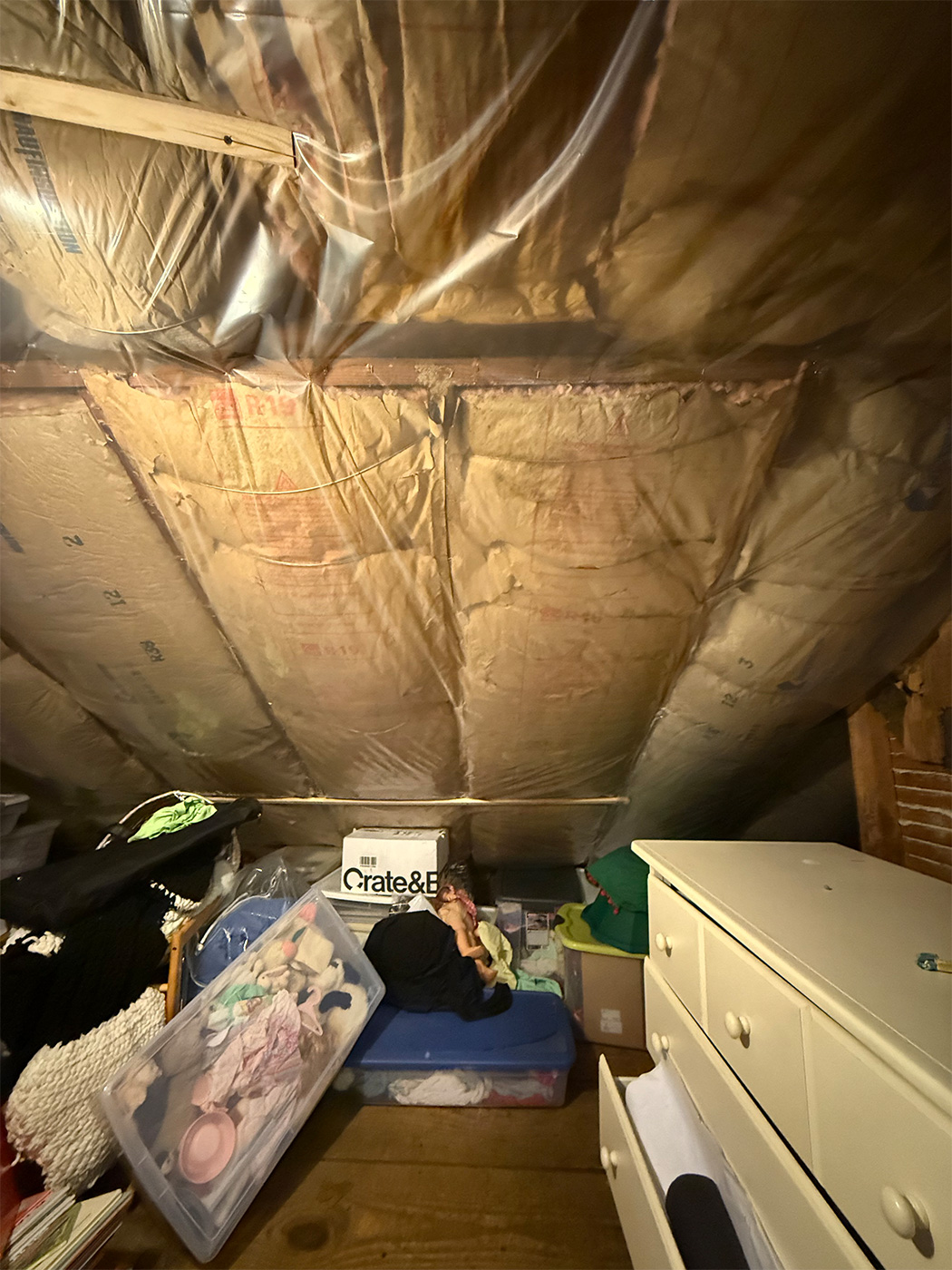
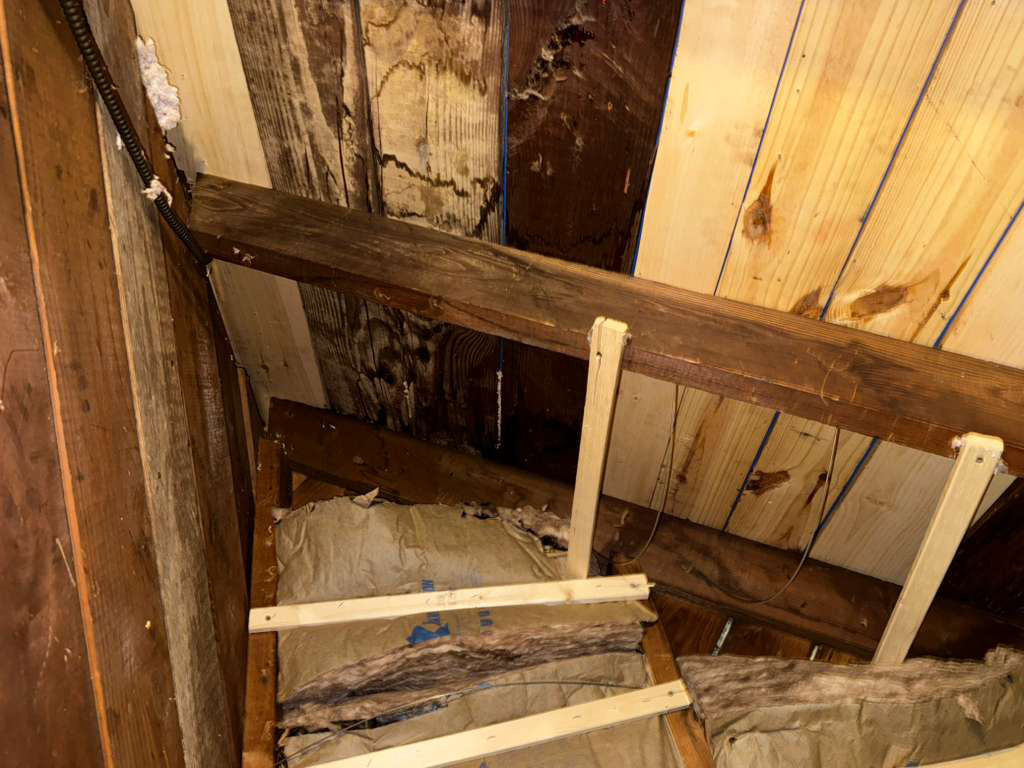
This project began when a homeowner contacted FDP Mold Remediation of Silver Spring after discovering visible mold in an area initially described as a crawl space. The affected area was an attic storage space adjacent to a bedroom, with fiberglass insulation installed between the roof rafters and covered with plastic sheeting.
Following an on-site inspection and estimate, further discussions focused on insulation replacement and how to coordinate remediation with the planned roof replacement. We recommended completing the roofing work first to reduce the risk of further moisture exposure to treated materials.
The homeowner also requested that the work coincide with a period when the adjacent bedroom would be unoccupied. We scheduled remediation for May 5, with equipment pickup on May 8.
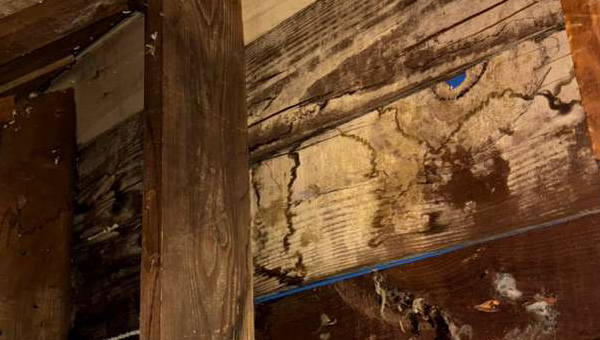
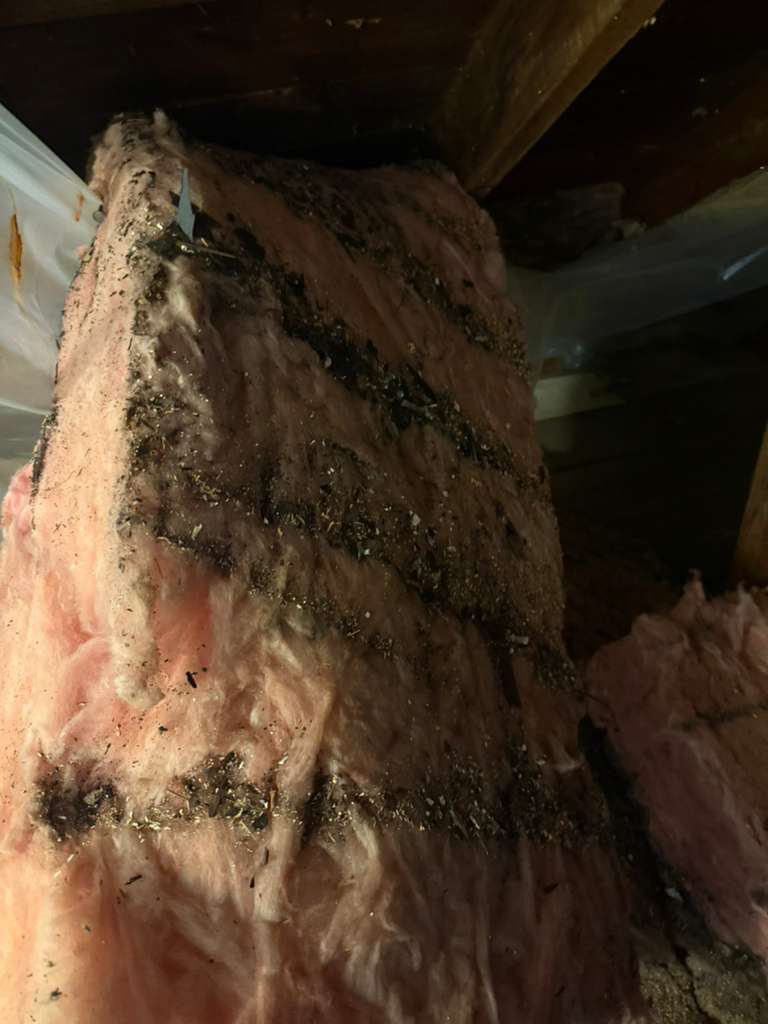
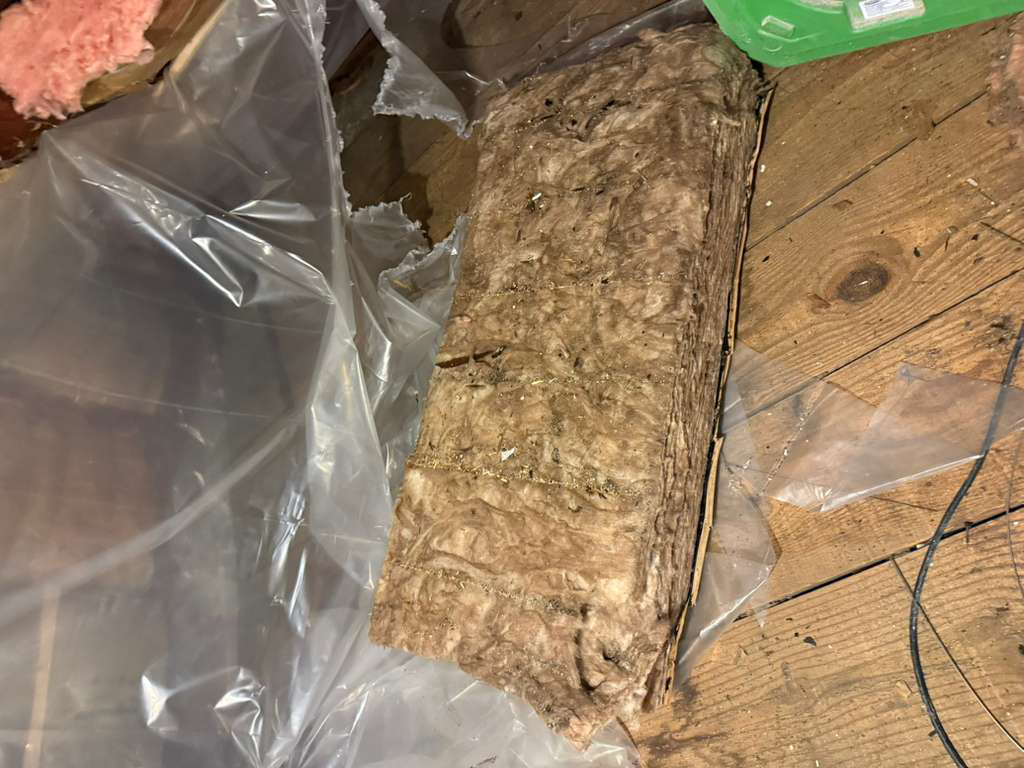
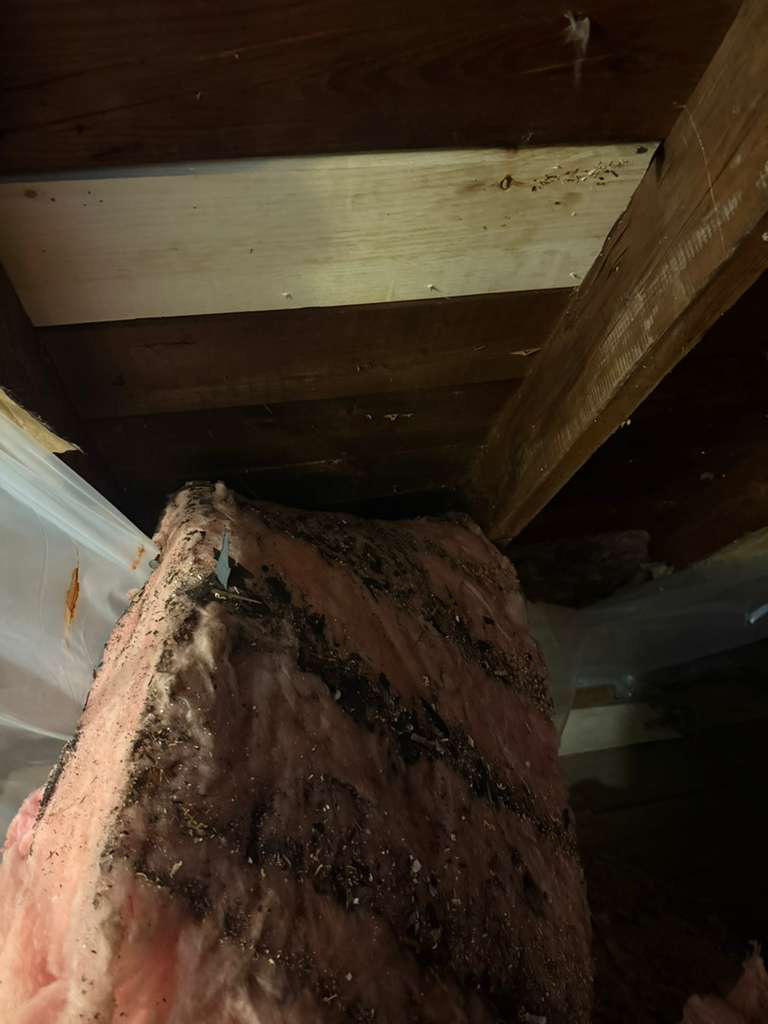
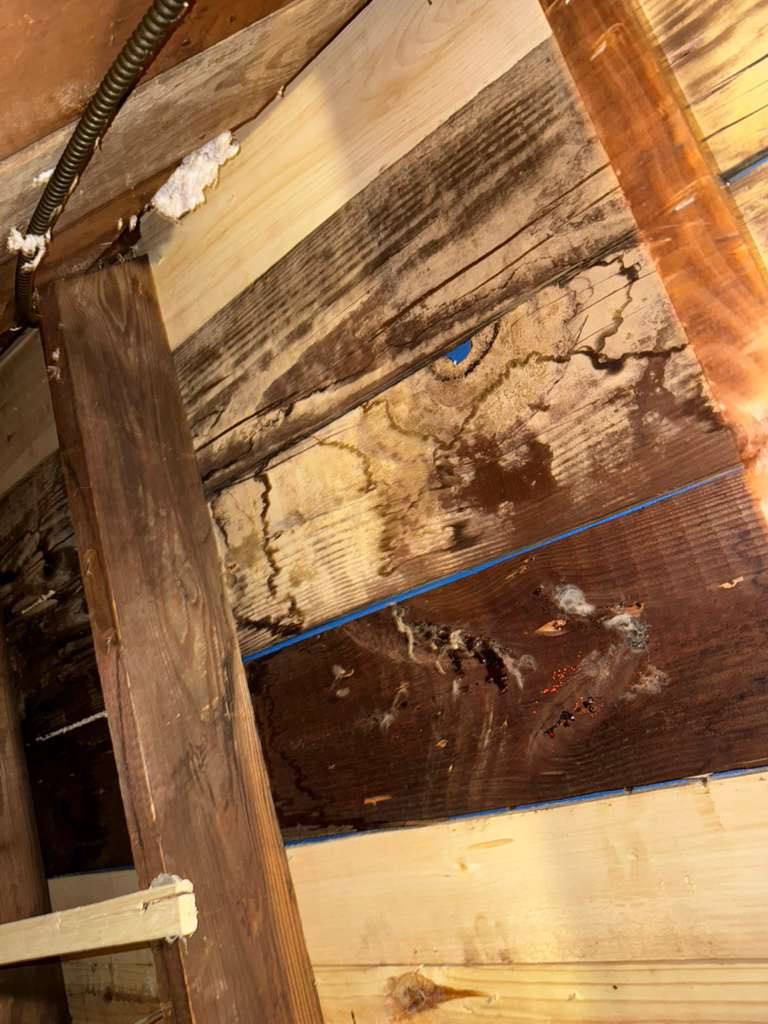
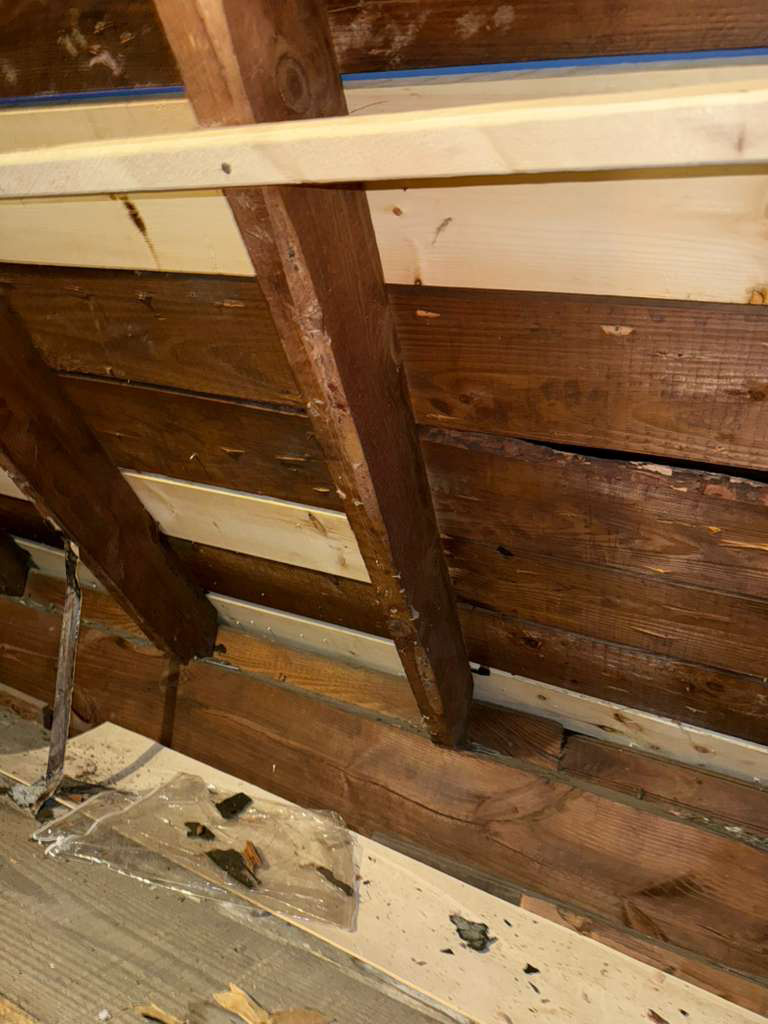
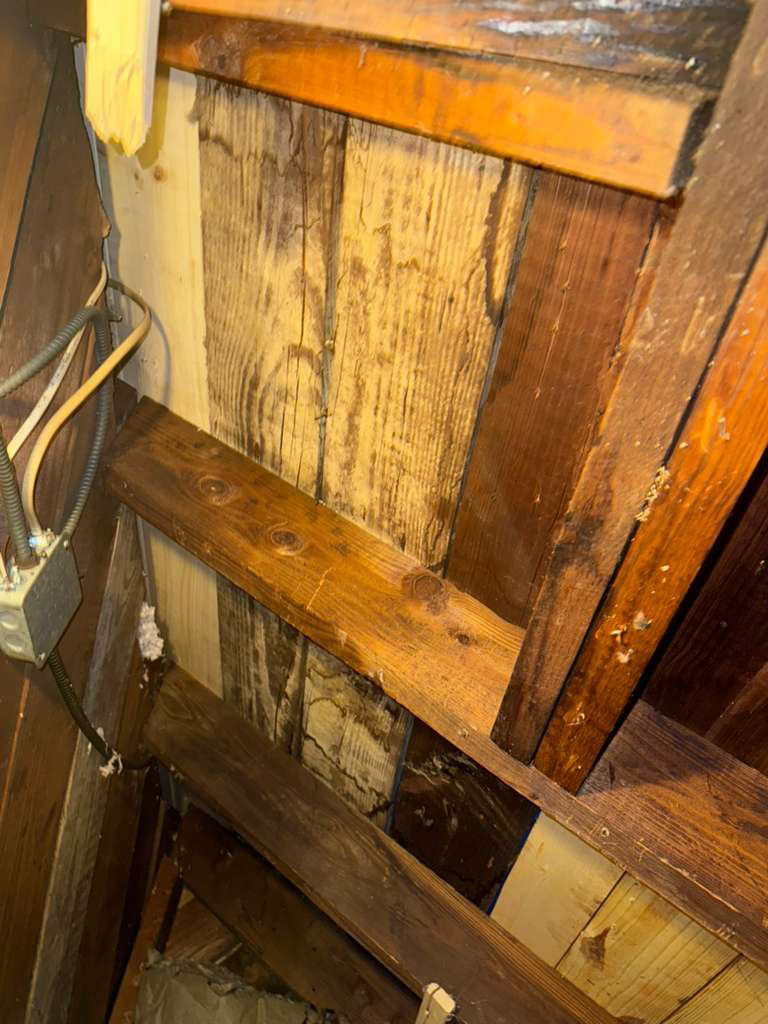
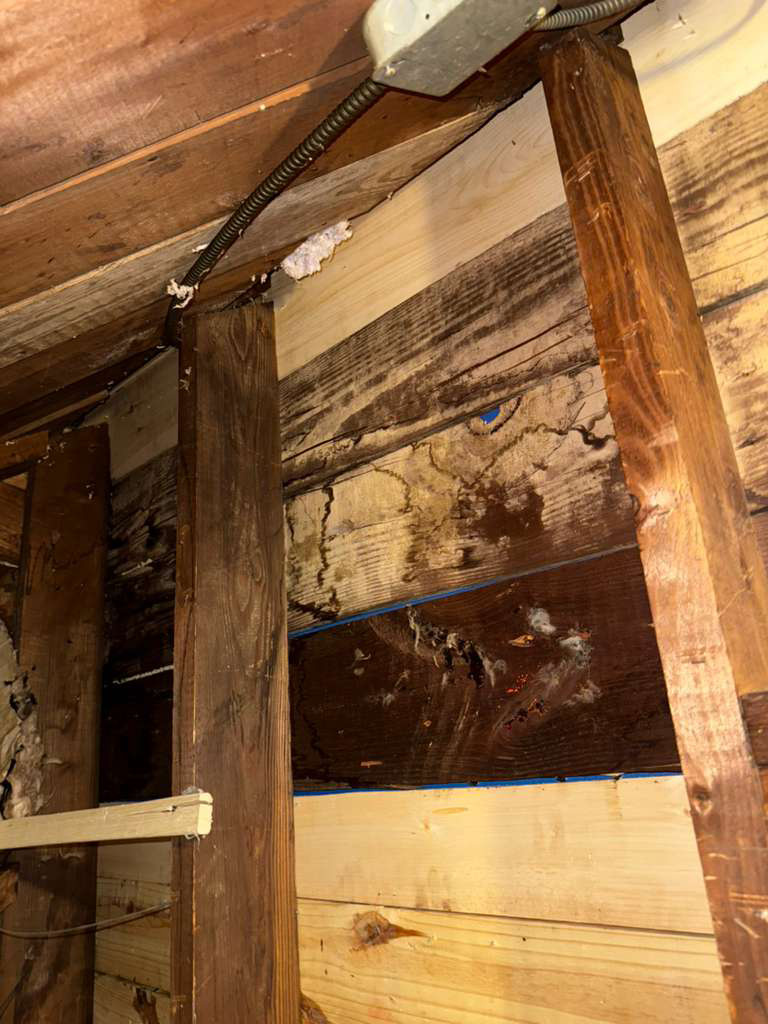
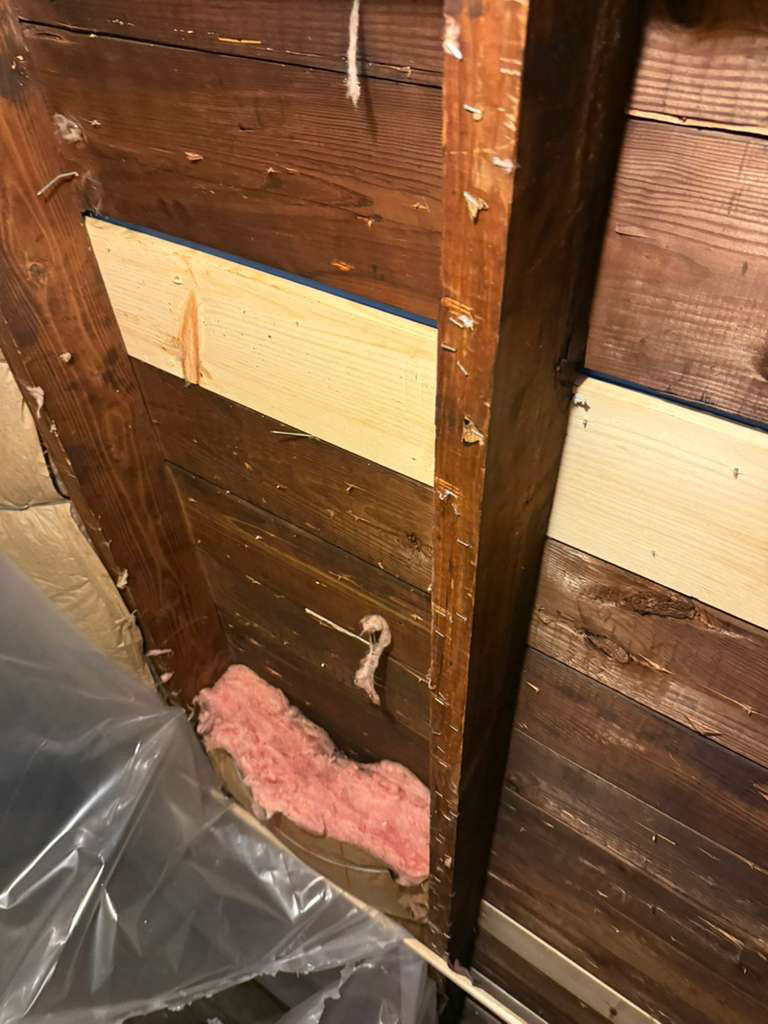
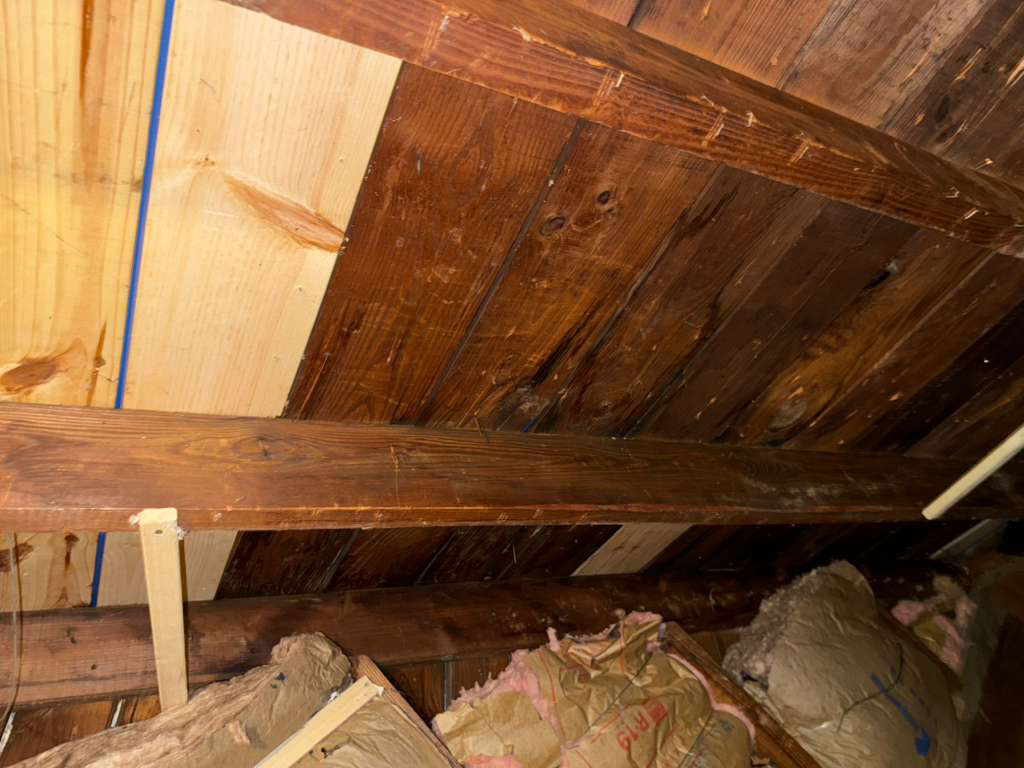
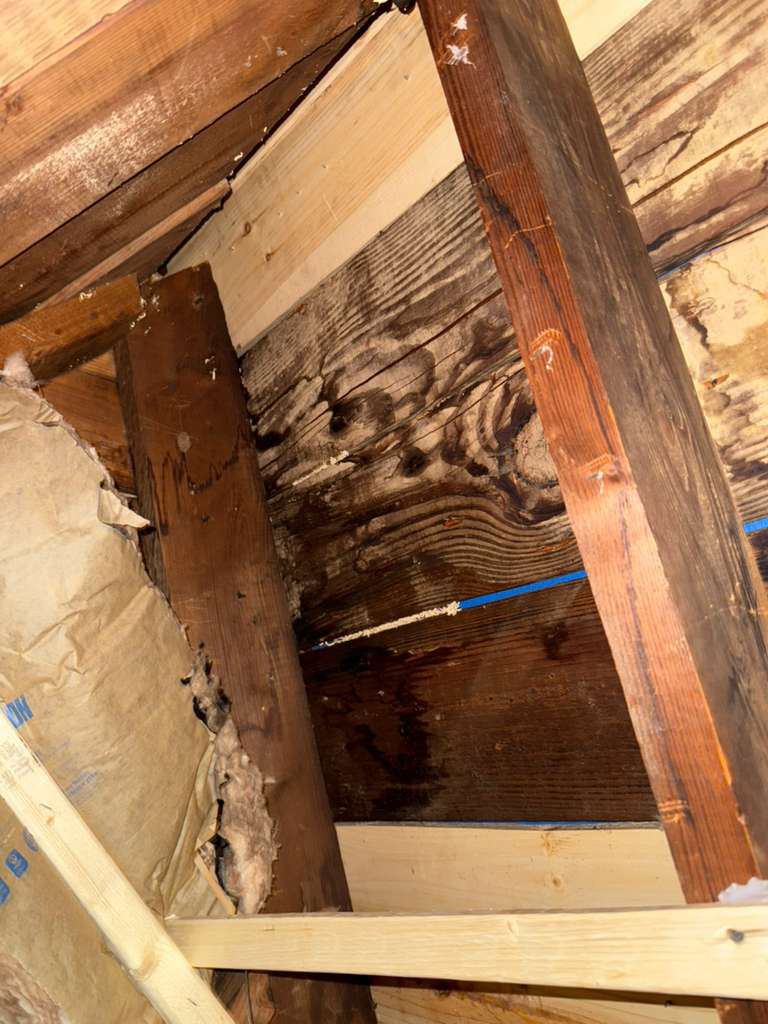
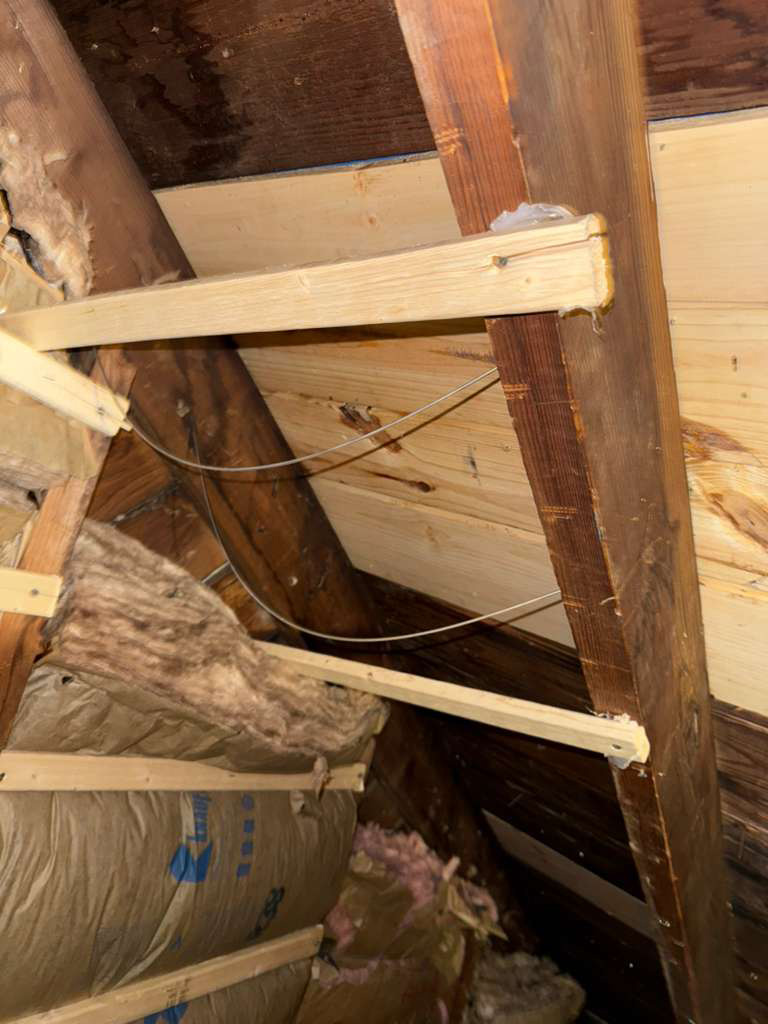
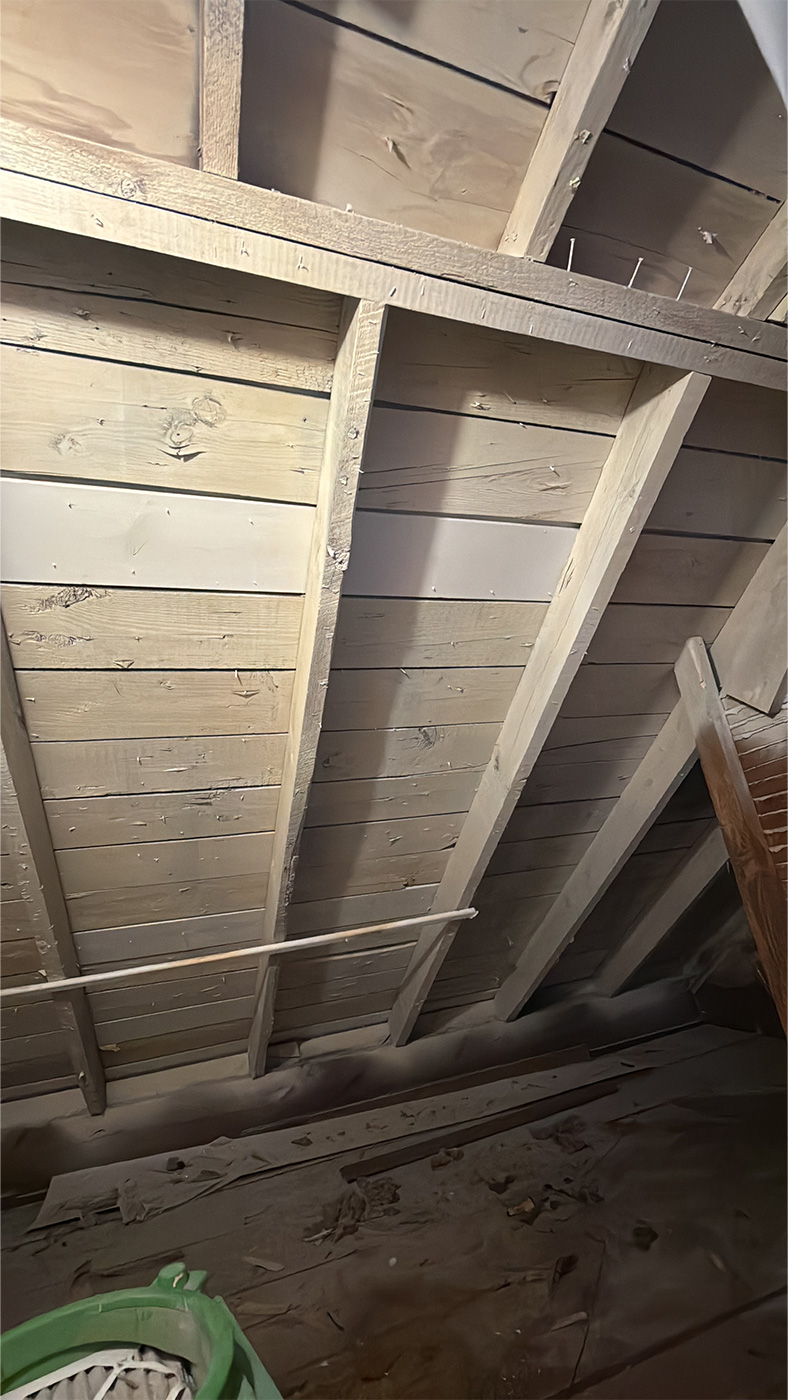
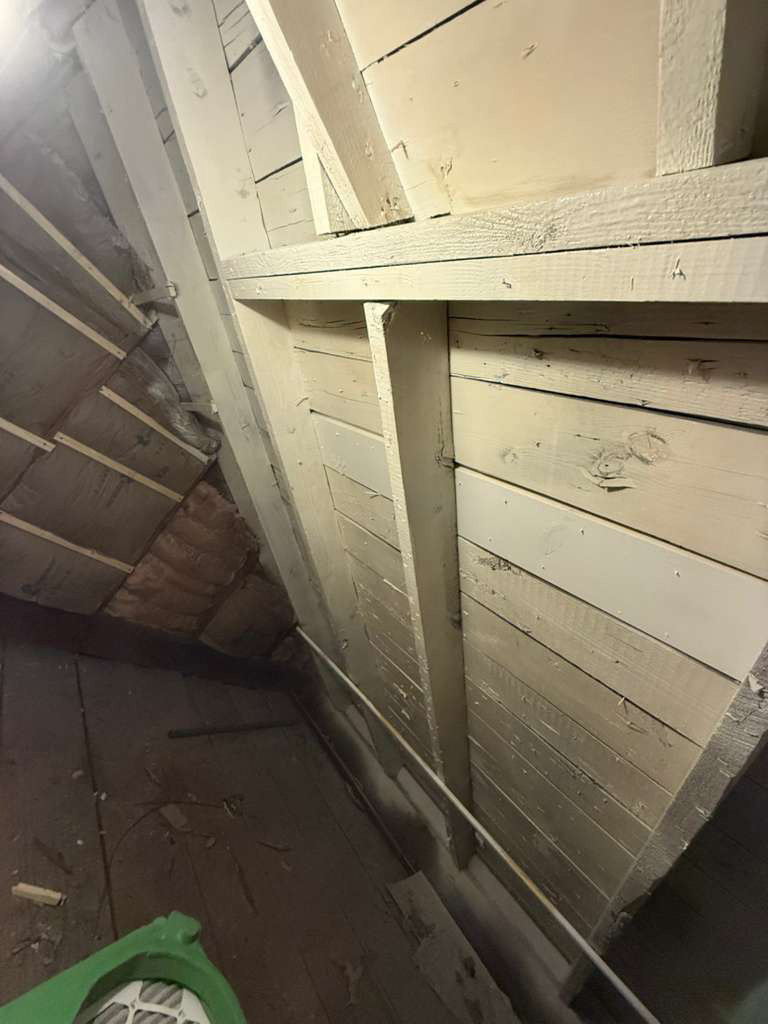
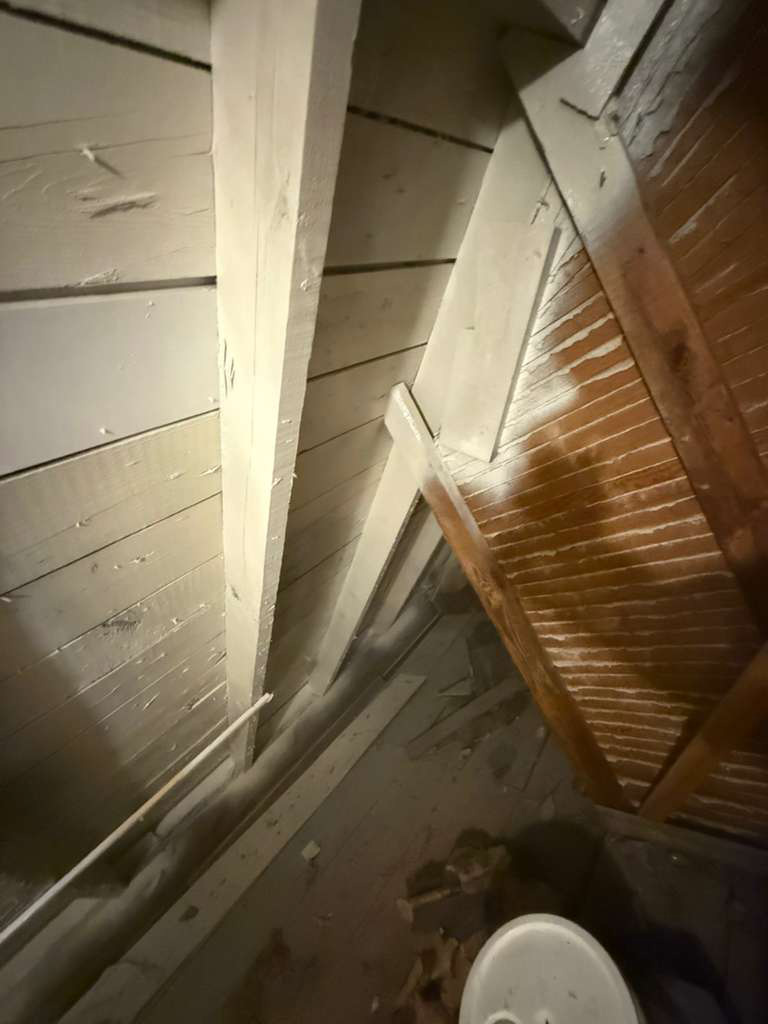
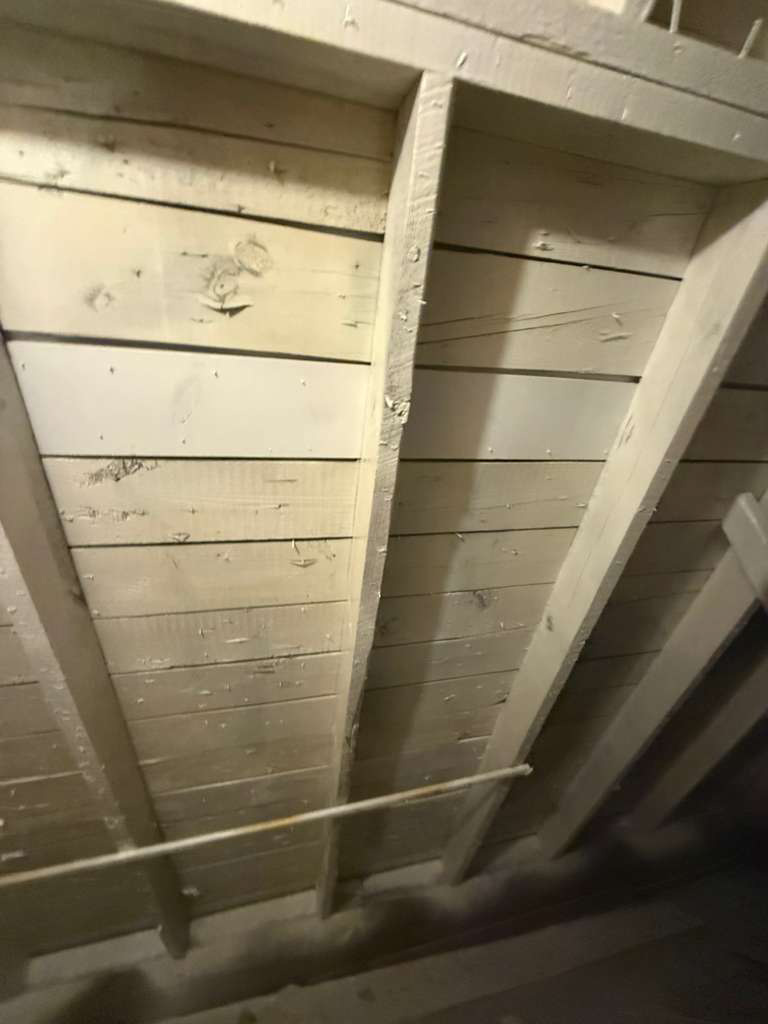
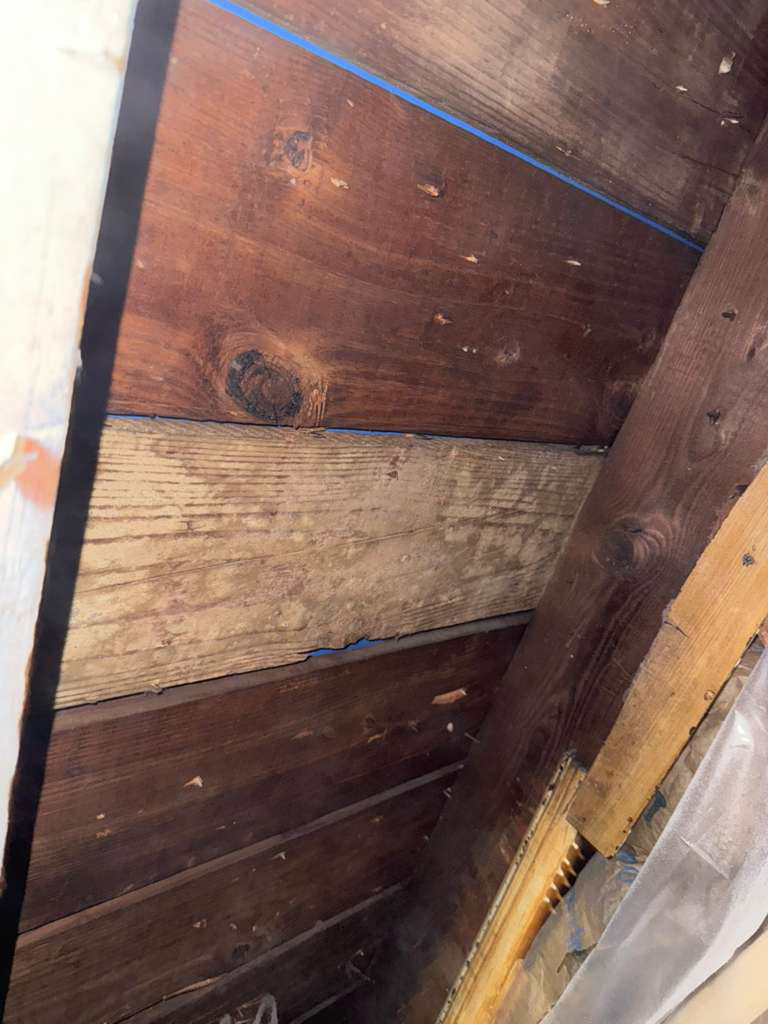
Photographs taken during the project document irregular moisture staining, dark discoloration, and suspected fungal growth on the wooden surfaces behind the insulation. Sections of removed fiberglass insulation also showed substantial discoloration and accumulated debris. These concealed conditions illustrate why identifying attic mold may require examining surfaces behind insulation.
The remediation plan was shaped by the amount of affected insulation, the extent of wooden surfaces requiring treatment, the confined attic layout, and the proximity of the work area to a bedroom. The estimate included containment, insulation removal, surface cleaning, encapsulation, and three days of air filtration and dehumidification.
Two attics with similar visible mold staining can require substantially different remediation scopes. Accessibility, concealed contamination, material removal, and equipment operating time all influence the cost of attic mold remediation. In this project, insulation replacement and reconstruction were considered separately from remediation.
Although roof replacement was discussed during project planning, the available records do not confirm whether it was completed before remediation or establish the source of moisture. Roof leaks, condensation, and inadequate ventilation are common causes of attic mold. Identifying and addressing the actual cause is important before enclosing the treated surfaces again.


What We Did
- Attic Containment and Negative Pressure: We contained the attic work area and established negative pressure to minimize the spread of airborne contaminants into adjacent areas during insulation removal and surface cleaning.
- Removal of Affected Insulation: We removed all mold-affected fiberglass insulation included in the remediation scope. This exposed the underlying roof sheathing and wooden framing for direct treatment.
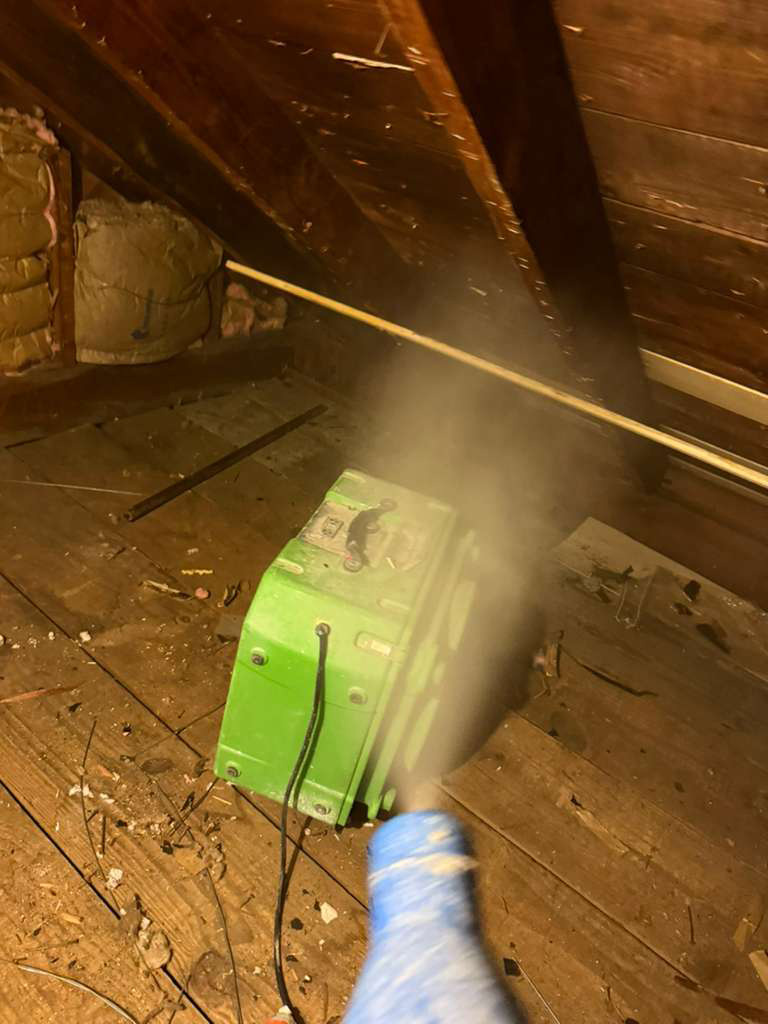
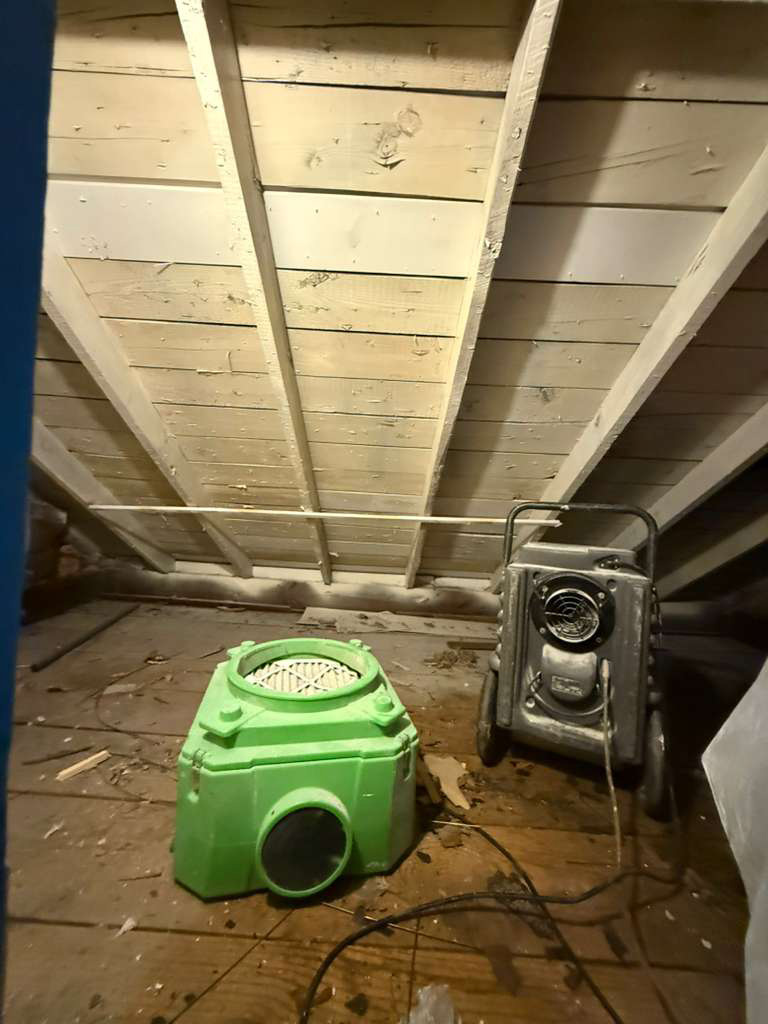
- HEPA Air Scrubbing: We installed one 500 CFM HEPA air scrubber in the attic for three days to filter airborne particles within the work area.
- Attic Dehumidification: We installed one LGR dehumidifier for three days to control airborne moisture during remediation. Dehumidification supported the treatment process but was not a substitute for correcting the underlying moisture source.
- Mechanical Cleaning and Antimicrobial Treatment: We cleaned the affected wooden framing and roof sheathing using wire brushes and an antimicrobial solution. Mechanical brushing addressed surface contamination while allowing the existing wooden components to remain in place.
- Antimicrobial Fogging: We fogged the contained attic area with an antimicrobial solution as a supplemental treatment. This step complemented direct cleaning rather than replacing it.
- Wood Encapsulation: After cleaning and treatment, we applied mold-blocking primer to the affected framing and roof sheathing to help inhibit future surface mold growth.
- Equipment Pickup and Closeout: The air scrubber and dehumidifier remained in the attic for the scheduled three-day service period. The remediation project was closed on May 8, 2026.
Results
The attic remediation was completed within the scheduled service period of May 5 - May 8, 2026.
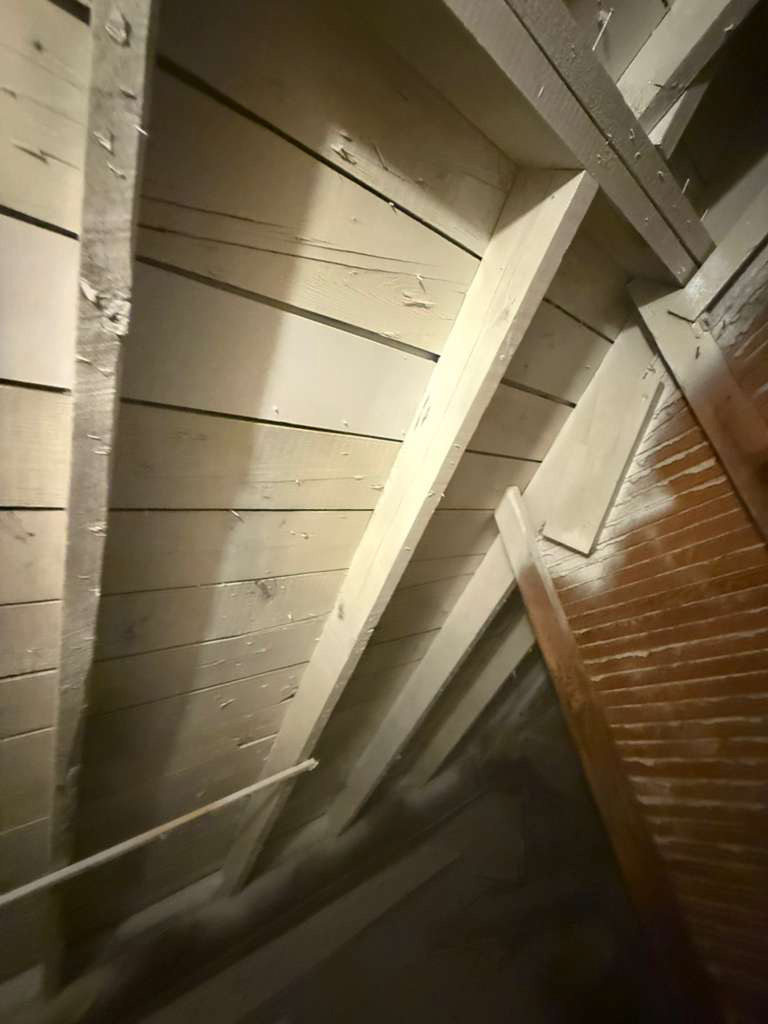
All mold-affected insulation included in the agreed plan was removed. The exposed wooden framing and roof sheathing were cleaned, treated, and encapsulated without additional removal of wooden structural components as part of FDP's remediation work.
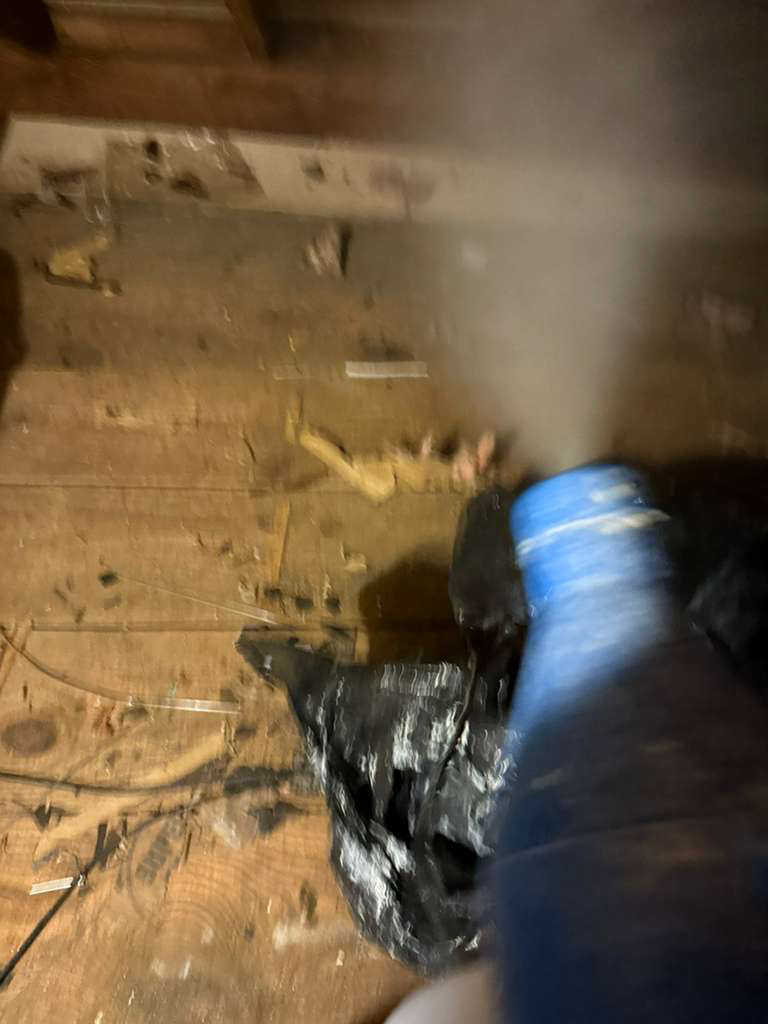
The project photographs document the original insulated attic, the conditions concealed behind the insulation, removed materials, treatment procedures, environmental control equipment, and the final primer-coated wooden surfaces.
The homeowner also requested reconstruction and insulation replacement. These services were discussed separately and are not included in the documented remediation completion scope.
The completed work is supported by our service records and project photographs. Independent post-remediation verification or clearance is not included in the available documentation.
Conclusion
The main challenge in this project was contamination concealed between the fiberglass insulation and roof sheathing. Removing the affected insulation allowed us to treat wooden surfaces that would otherwise have remained inaccessible.
Before installing replacement insulation, any ongoing water intrusion, condensation, or ventilation problems should be addressed, and the wooden materials should be confirmed sufficiently dry. Even after cleaning and encapsulation, recurring moisture can create conditions for renewed mold growth.
Why FDP Mold Remediation
Our team developed a remediation plan that accounted for the materials involved, the confined attic layout, planned roofing work, and the homeowner's scheduling requirements.
Rather than including additional wooden material removal in the remediation scope, we focused on removing affected insulation and treating the existing framing and roof sheathing.
The homeowner also received a defined service schedule, including the equipment operating period and planned pickup date. This allowed the remediation to be coordinated with the household's schedule and planned reconstruction.
Found Mold Behind Your Attic Insulation?
If you discover suspected mold on attic framing, roof sheathing, or behind insulation, schedule an on-site assessment before covering the affected materials.
Call FDP Mold Remediation of Silver Spring at 301-348-6789 and tell us where you discovered the mold, whether any roofing work is planned, and if there are known moisture problems.
Our specialist will inspect the accessible areas, evaluate which materials require removal or cleaning, and identify visible moisture-related concerns. Based on the findings, we will prepare a mold remediation plan and estimate outlining the proposed work, required equipment, and expected service duration for your review before remediation begins.