Seeing visible growth, repeated dampness, or a stubborn musty odor can make it hard to know what should happen next. At FDP Mold Remediation of Elizabeth, we help property owners understand the likely scope of work, contain affected areas, and move forward with a documented remediation process built around clear communication.
Call for a clear next step.



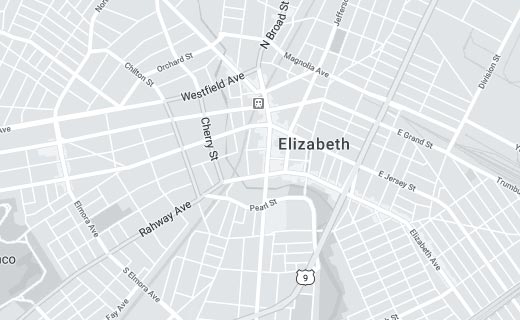
We provide mold remediation for homes, rental properties, and commercial buildings across Elizabeth. Our company's process centers on containment, HEPA filtration, material-appropriate cleaning or removal, and clear documentation, so you understand what is being addressed and what may need separate correction.
Elizabeth properties can present a mix of practical moisture challenges, from older basements and crawl spaces to attic condensation patterns, multi-family turnover issues, and damp conditions near Newark Bay and the Arthur Kill. We focus on giving you a clear next step, including what the affected area may require, what can change cost or timing, and whether anything should be evaluated or handled separately.
Mold problems can interrupt normal use of a property, complicate repairs, delay a real estate closing, or slow down tenant turnover. We work with homeowners, landlords, property managers, and commercial decision-makers who need a clear mold remediation scope instead of vague promises.
For residential jobs, that often means explaining whether the work is limited to one contained area or whether multiple materials and access points are involved. For commercial and multi-unit properties in places like Midtown, Elizabethport, and Bayway, it often means planning containment, filtration, scheduling, and documentation in a way that supports coordination with occupants, maintenance teams, or follow-on repairs.

Call 908-345-2582 today for a professional mold inspection and estimate tailored to your property.
Mold remediation cost is driven more by scope than by a flat citywide average. The most common variables include the size of the affected area, how much containment is required, whether drywall or insulation needs removal, how difficult the access is, and how much contents protection or staging is needed.
Properties in Elizabeth can also vary widely by layout and building age. A tight crawl space, a finished basement, an attic with limited access, or a multi-room setup in an occupied property can all change labor, filtration, disposal, and cleanup needs. If follow-on repair work is part of the approved scope, that can also affect the total project cost.
Project timing depends on the work scope, not just the calendar. Smaller contained jobs may move faster than multi-room projects or jobs that require more setup, removal, drying, or protection of occupied spaces.
Some of the biggest timing variables are access, containment complexity, the amount of material removal, drying conditions within the work area, and whether the project is happening in an attic, crawl space, basement, or commercial space that needs tighter staging. In Elizabeth, older foundations, finished lower levels, and dense multi-unit layouts can make setup and sequencing just as important as the remediation work itself.
We plan remediation around the materials involved, the accessibility of the area, and the extent of the visible or documented impact.
Basement remediation may involve drywall, base trim, stored contents, or unfinished surfaces affected by damp conditions. In Elizabeth neighborhoods with older homes or lower-level moisture patterns, access and staging can be major planning factors.
Attic projects often involve sheathing, framing, insulation, ventilation-related moisture patterns, or roof-related dampness. We explain how the attic setup affects containment, access, and material handling before the work begins.
Crawl space remediation may require tighter access planning, lower-clearance work, and a careful approach to containment and cleanup. If broader moisture control improvements are needed beyond the work area, those are usually handled separately from the remediation scope.
These areas can involve repeated moisture exposure around sinks, tile, cabinets, plumbing penetrations, or adjacent drywall. We focus on the affected materials and the practical remediation steps needed for that part of the property.
If the issue involves accessible HVAC-adjacent materials or nearby components, we can address the affected accessible areas within the remediation scope. HVAC cleaning, repairs, and system adjustments are usually handled by licensed HVAC professionals.
Commercial and multi-unit projects often require clearer scheduling, staging, and documentation so the work can move forward with less disruption. That is especially important for property managers coordinating tenant turnover, maintenance, or inspection-related timelines.
Property owners usually want more than basic mold cleanup. They want to understand what is happening, know what work is being recommended and see the affected area handled carefully. That is where we try to be especially useful.
Here are a few reasons property owners choose our team:
FDP Mold Remediation serves property owners across Elizabeth and nearby communities throughout Union County. That includes work in areas such as Elizabethport, Bayway, Elmora, Midtown, the Historic District, Peterstown, and North Elizabeth, as well as nearby Union, Linden, Roselle, Hillside, and Cranford.
If your property is near the waterfront, in an older section of the city, or in a multi-unit or mixed-use building, the layout and moisture conditions can change how the remediation is planned.
If you are dealing with visible growth, recurring damp conditions, or a persistent musty odor in Elizabeth, we can schedule an on-site assessment and explain what the remediation scope may look like based on accessible conditions. If you need the soonest available appointment, call 908-345-2582 and we will walk you through the next step.
Mold remediation is usually the right next step when there is visible growth, mold-damaged material, or recurring dampness that has already started affecting surfaces or building materials.
Cost usually depends on scope, access, containment needs, material removal, and cleanup complexity.
Timing depends on the size of the work area, how much setup and removal are needed, how difficult the access is, and how long the work area needs to dry during the project.
Not always. It depends on where the work is happening, how containment is set up, and how closely the affected area connects to occupied space.
Yes. Older basements, crawl spaces, finished lower levels, and tighter access conditions can change how containment, staging, and material removal are planned.
They can. Properties closer to waterfront or lower-lying areas may deal with recurring dampness, higher humidity, or moisture-prone lower levels that can affect how the work is planned.