December 2025
Does Vinegar Kill Mold? The TRUTH About Using Vinegar for Mold
Ah, vinegar. It's the darling of DIY cleaning tips everywhere. It's non-toxic, cheap, and you always have a bottle somewhere in your pantry. But can vinegar actually kill mold? Spoiler alert: yes and no. Let's cut through the myths and dive into what vinegar can and can't do when it comes to mold.
Why Vinegar Is a Popular Choice for DIY Mold Solutions
Vinegar is acidic. Most molds prefer a neutral or slightly alkaline environment, so vinegar throws them off balance. In many cases, vinegar can kill up to 82% of mold species, especially on hard, non-porous surfaces like tiles and glass. But here's the kicker - it's not 100% effective, and for certain types of mold (like black mold), vinegar won't be enough.
Does Vinegar Kill All Types of Mold?
Nope. Vinegar works best on surface mold and small infestations. If you're dealing with black mold or mold that's dug deep into porous surfaces, vinegar won't cut it. The acidity of vinegar can break down the surface-level mold, but it won't reach mold lurking inside drywall or other materials.
How to Apply Vinegar to Mold: A Detailed How-To Guide
- Grab some plain white vinegar. Don't dilute it.
- Spray the vinegar directly onto the moldy area.
- Let it sit for at least an hour.
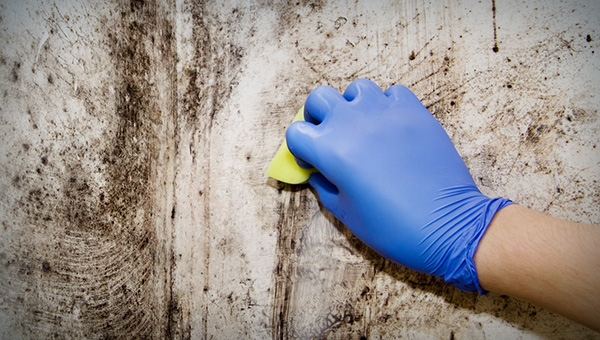
- Scrub the area with a brush, then rinse with water.
- Let the area dry completely.
Potential Risks and Harm from Vinegar
While vinegar is non-toxic, it still has risks. When cleaning mold with vinegar, you release mold spores into the air. Inhaling these spores can trigger allergic reactions, asthma, or other respiratory problems, according to the American Lung Association. The acidic nature of vinegar can also cause mild irritation if inhaled in large quantities or if it comes into contact with your skin, as noted by Healthline.
Vinegar's Environmental Benefits: Why It's a Green Cleaning Solution
One of the biggest reasons vinegar is so popular as a mold cleaning solution, especially for mold, is its environmental benefits. Unlike harsh chemical cleaners, vinegar is a natural, biodegradable product that breaks down quickly without releasing harmful toxins into the environment. It's a safer choice for those concerned about reducing their carbon footprint and minimizing chemical use at home.
Vinegar is produced from renewable resources - usually from the fermentation of grain alcohol - which makes it a sustainable option compared to synthetic chemicals. Plus, it doesn't contain harmful ingredients that can end up polluting water systems. The Environmental Working Group (EWG) rates vinegar highly for its non-toxic, eco-friendly properties, recommending it as a safer alternative to commercial cleaners.
Additionally, vinegar is much safer for indoor air quality. Many traditional mold cleaners contain volatile organic compounds (VOCs) that can be harmful when inhaled, especially in enclosed spaces. Vinegar, on the other hand, doesn't release these harmful fumes, making it a much greener choice for those looking to protect both their health and the environment. According to Healthline, using natural cleaners like vinegar can significantly reduce indoor air pollution caused by chemical cleaning agents.
So, while vinegar may not be the most powerful mold killer, its environmental and health benefits make it an appealing choice for green-minded households looking for a safer alternative to harsh chemicals.

Does Vinegar Prevent Mold from Spreading?
One important note: when you clean mold, especially by scrubbing, you're likely releasing spores into the air. These spores can settle in new areas, causing the mold problem to spread throughout your home. This is particularly risky if the spores get into your HVAC system, which could then distribute them throughout your house. According to the EPA, mold spores are harmful to both your home and your health when airborne.
Should You Rely on Vinegar or Seek Professional Help?
Vinegar has its place in mold removal, but it's not a miracle worker. For small patches of mold, it's a solid choice. For bigger, deeper problems, you might need professional help from FDP Mold Remediation to get the job done right.
Looking for expert insights on DIY mold removal? Check out our recent articles: