November 2025
What Kills Mold Permanently? DIY vs Professional Options Explained
Homeowners often search for ways to solve mold problems quickly, trading a permanent solution for immediate and sometimes temporary results. The phrase "kills mold permanently" usually reflects a desire to stop mold from coming back, not just to clean what is visible. In this article, we explain what that goal realistically means, how DIY methods for mold removal compare to professional options, and what factors influence long-term results.
Rather than offering shortcuts or guarantees, this guide focuses on how mold removal actually works, what different methods can and cannot do, and how informed decisions reduce repeat issues over time.
What Does "Killing Mold Permanently" Actually Mean?
When people ask how to kill mold, they are usually referring to eliminating visible growth and preventing it from returning. In practice, killing mold on the surface and resolving a mold problem are not the same thing. Mold spores are common in indoor and outdoor environments, and their presence alone does not indicate a problem.
A mold issue typically develops when spores encounter moisture and suitable materials. Addressing visible growth without addressing contributing conditions may temporarily reduce its appearance, but it does not necessarily change the environment that allowed mold to grow in the first place.
Key takeaway: Permanence depends on moisture control and physical removal, not just on surface treatments.
Why Mold Often Comes Back After Cleaning
Mold tends to return when underlying conditions remain unchanged. Moisture from leaks, condensation, humidity, or poor airflow can continue to support growth even after cleaning. Porous materials such as drywall, wood, or insulation may retain contamination below the surface, where common cleaners cannot reach.
Another source of confusion is that cleaned areas may look improved while hidden areas remain affected. Without containment or targeted removal, disturbance during cleaning may also spread particles to adjacent areas.
DIY Mold Cleaning Methods: What Each Option Can and Cannot Do
The following methods are commonly used for surface-level mold cleaning. These approaches may reduce visible mold in limited situations but do not address hidden contamination or ongoing moisture conditions.
Bleach-Based Cleaners
Bleach-based cleaners may reduce visible mold on non-porous surfaces such as tile or sealed materials. Bleach does not typically penetrate porous materials, which means mold may remain beneath the surface and return if moisture persists.
Vinegar Solutions
Vinegar solutions may help reduce surface mold on some materials under dry conditions. Effectiveness can vary by surface type, and vinegar does not address mold embedded in porous materials or underlying moisture sources.
Hydrogen Peroxide
Hydrogen peroxide is sometimes used for surface cleaning and may reduce visible mold on certain materials. Its effectiveness depends on concentration, surface type, and moisture conditions, and it does not remove hidden mold growth.
Baking Soda Pastes
Baking soda pastes are often used for light surface cleaning and odor reduction. This method is generally limited to minor applications and does not provide comprehensive mold removal.
Borax (Sodium Borate)
Borax is used by some homeowners as a cleaning agent and may reduce visible mold on certain surfaces. It can leave a residue that discourages growth in dry conditions, but it does not eliminate mold within porous materials or resolve moisture-related causes.
Disinfectant Sprays
Commercial disinfectant sprays, such as Lysol, may reduce surface-level mold on some materials. These products are not designed to remove embedded mold or prevent recurrence when moisture conditions remain unchanged.
These products are widely available and easy to apply, which is why they are frequently used as first responses.

What DIY Methods May Be Suitable for
DIY approaches may be appropriate for:
- Small, isolated surface growth
- Non-porous materials such as tile or sealed surfaces
- Areas with no ongoing moisture issues
In these situations, surface cleaning can reduce visible residue and improve appearance.
Limitations of DIY Mold Removal
DIY methods have several limitations:
- They primarily act on the surface
- They may not reach mold embedded in porous materials
- They do not involve containment or airflow control
- They do not address hidden moisture conditions
Questions like "Does vinegar kill mold?" or "Does bleach kill mold?" often arise because results vary by surface type and moisture level. These methods may reduce visible growth but typically do not change the conditions that allow mold to recur.
Does Anything Truly Kill Mold Permanently?
The idea of a single product or method that eliminates mold forever is misleading. Mold control is a process rather than a one-time action. Even after successful removal, spores can re-enter an area if moisture returns.
Long-term improvement usually depends on reducing moisture availability and removing contaminated materials when necessary. This is why professional approaches focus on assessment, containment, and physical removal rather than relying solely on chemical action.
Professional Mold Remediation: How It Differs From DIY
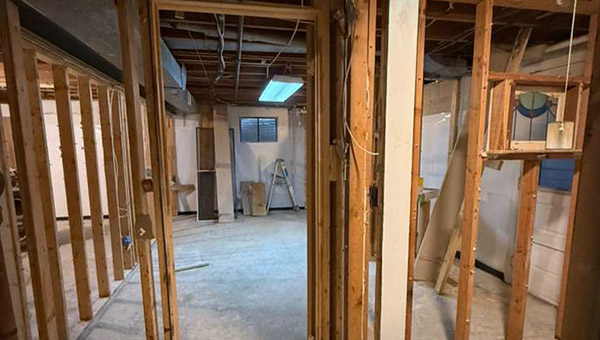
Professional mold remediation is designed to manage contamination in a controlled and systematic way. It follows established industry standards and focuses on both visible and hidden conditions.
What Happens During Professional Mold Remediation
A typical professional mold removal process may include:
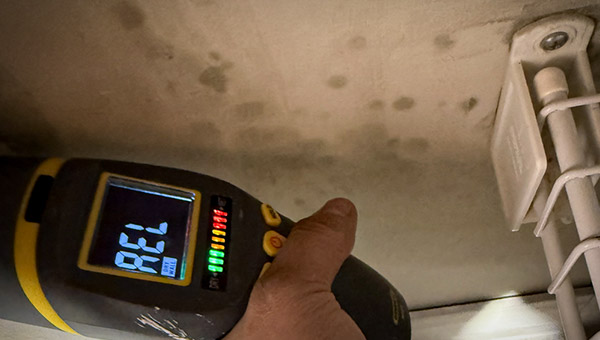
- Visual inspection and moisture assessment
- Isolation of affected areas
- Controlled removal of impacted materials
- Surface cleaning using professional equipment
- Drying and moisture stabilization
This approach is intended to reduce the spread of contamination during removal and to limit the likelihood of recurrence under similar conditions.
Why Professional Methods Reduce Recurrence Risk
Professional methods differ from DIY approaches in several ways:
- Emphasis on physical removal rather than surface treatment
- Use of containment to limit airborne particle movement
- Application of professional-grade filtration equipment
- Evaluation of moisture conditions as part of the process
These factors can make professional remediation more appropriate for larger, recurring, or hidden mold problems.
DIY vs Professional Mold Removal: Practical Comparison
| Factor |
DIY Methods |
Professional Remediation |
| Scope |
Surface-level cleanup |
Controlled removal and cleanup |
| Porous materials |
Limited effectiveness |
Removal when needed |
| Airborne control |
Not addressed |
Managed through containment |
| Moisture assessment |
Informal |
Evaluated during inspection |
| Recurrence risk |
Often higher |
Often lower when conditions improve |
| Appropriate use |
Small, visible areas |
Larger or recurring issues |
DIY vs Professional Mold Removal
This comparison highlights why different approaches suit different situations rather than positioning one as universally superior.
Need clarity before deciding what to do next?
If you are unsure whether surface cleaning is sufficient or whether professional remediation may be appropriate, a visual mold inspection and moisture assessment can clarify the observed conditions and available options.
You can contact FDP Mold Remediation at 877-421-2614 to discuss inspection services for your property.
When Professional Mold Removal Is Commonly Recommended
Professional involvement is often considered when:
- Mold returns after repeated cleaning
- Growth affects porous or hidden materials
- Multiple areas are involved
- Moisture sources are unclear or ongoing
In these situations, inspection and structured remediation can help clarify the scope of the issue and available options.
What Professional Mold Remediation Does Not Do
Understanding boundaries is important for setting realistic expectations. Professional remediation:
- Does not guarantee that mold will never return
- Does not include permanent building repairs
- Does not involve plumbing or structural reconstruction
- Does not promise clearance or certification outcomes
Results depend on ongoing moisture conditions and property maintenance after remediation.
Key Takeaways: Choosing the Right Approach
- Mold problems are driven by moisture, not just by surface growth
- DIY methods may help with limited, surface-level situations
- Professional remediation focuses on controlled removal and assessment
- Long-term results depend on managing moisture conditions
- Clear expectations help prevent repeated issues
Frequently Asked Questions
Can mold be eliminated forever?
Mold spores are common in the environment, so permanent elimination is not realistic; long-term control depends on moisture conditions.
Why does mold return after cleaning?
Mold may return if moisture remains present, or if contamination extends beyond what surface cleaning can reach.
Is professional mold remediation always necessary?
Not always. Small, isolated surface growth may be addressed with basic cleaning; while recurring or hidden mold often requires professional assessment.
Does professional remediation guarantee that mold will not return?
No. Professional remediation addresses existing contamination, but future growth depends on moisture control and property conditions.
How do I know which option applies to my situation?
A professional inspection can help clarify observed conditions and remediation options without implying diagnosis.
Next Steps
If you would like to better understand whether professional mold remediation is appropriate for your situation, a visual inspection and moisture assessment can help clarify the scope of conditions observed and possible next steps.
To request an inspection or ask questions about the remediation process, contact us today. Call 877-421-2614 or contact FDP Mold Remediation online to discuss inspection options.