April 2018
updated: 04/26/2026

Mold Could Be Affecting Your Health: What the Evidence Says

If you're here, you're probably not casually Googling. Something feels off. Maybe you've had a musty smell you can't un-smell. Maybe a bathroom ceiling keeps spotting back up. Maybe you found fuzzy growth under a sink and now every sniffle feels suspicious. It's worth remembering that sniffles, headaches, and fatigue are common and can come from many different causes, both indoors and out.

Let's make this simple and sane: dampness and indoor mold are associated with certain health complaints in some people, but your body's signals alone can't confirm mold as the cause. The best next step is to stop guessing and separate two questions:

  1. Is there a moisture or mold problem in the building?
  2. If you have symptoms, what does your clinician think is going on?

This guide is informational, not medical advice. We're mold remediation professionals. We can help with the building side of the problem, and we'll stay in our lane.

Mold Could Be Affecting Your Health: What the Evidence Says

What "Mold Exposure" Actually Means

Mold is common. You can find spores everywhere, outdoors and indoors, even in clean homes. The issue isn't whether mold exists. The issue is when moisture lets mold grow and increase where it shouldn't, for long enough to become a building problem.

So, when people talk about mold exposure, it usually means one (or more) of these situations:

  • You're spending time in a damp space with active mold growth.
  • You're dealing with musty odors that suggest hidden growth or chronic moisture.
  • You're around when contaminated materials have been disturbed (like pulling up wet carpet or cutting into damp drywall).

That's why the smartest approach is building-first: fix the moisture, remove growth safely, and prevent it from returning.

Is Mold Affecting Your Health?
Learn More
Send photos of your mold, get a fast estimate
Attach photos of your mold and we'll be in touch shortly with a pricing estimate.

Signs of Mold Exposure

Rather than try to self-diagnose based on symptoms, let's ask a better question: what are the signs of mold exposure in the environment you're breathing in every day?

Look for patterns like these:

  • Musty odor that keeps coming back, especially after rain, showers, or when HVAC runs.
  • Visible growth (spots, fuzzy patches, staining) on ceilings, around vents, behind furniture, under sinks, window frames, or in basements and crawl spaces.
  • Water stains, bubbling paint, warped baseboards, peeling wallpaper, or discoloration that suggests past leaks.
  • Condensation that shows up often, like sweaty pipes, wet windows, or damp corners.
  • Humidity that always feels high, especially in bathrooms, basements, laundry rooms, or poorly ventilated bedrooms.

These are the clues that matter because they point to the real driver: moisture.

Mold Allergy: What It Is, and What It Isn't

A mold allergy is an immune response to mold allergens. Not everyone has it, and it can overlap with other allergic triggers (dust mites, pollen, pets). If you already have seasonal allergies, a damp building can make you feel like your body never gets a break.

Common mold allergy symptoms can include sneezing, runny or stuffy nose, itchy eyes, and sometimes coughing or wheezing, especially in sensitized individuals. If you have asthma, mold can be a trigger for some people, but triggers vary from person to person.

What a mold allergy is not: a guaranteed explanation for every headache, every rash, and every bad week. Symptoms can have many causes, which is exactly why medical evaluation matters when symptoms are persistent or concerning.

If you think you might have an allergy, a clinician can help you sort out what you are allergic to, or whether something else is going on. On the building side, we can help you confirm and address moisture and mold conditions, so you're not stuck guessing.

Mold Exposure Symptoms: What People Report, And What It Can Mean

People commonly search for mold exposure symptoms because they want certainty. The frustrating part is that symptoms are rarely specific to one cause.

What can happen in damp or moldy environments is typically described as allergy-type or irritant-type effects. That can look like nasal congestion, throat irritation, coughing, or eye irritation in some people.

Two things can be true at once:

  • the building needs attention because moisture and mold are present
  • your symptoms still require a real medical differential (not a blog post diagnosis)

If you notice symptoms that seem worse at home and improve when you're away, that pattern can be a useful clue. It is not proof. Other indoor factors can follow similar patterns too, like dust, strong fragrances, smoke, or poor ventilation. Treat it as a prompt to check the building and talk with a clinician if symptoms persist.

"Mold Poisoning" and "Toxic Mold": Let's Clean Up the Language

These terms are everywhere online, and they're a big reason people end up terrified, overwhelmed, and stuck.

Some molds can produce mycotoxins under certain conditions. For most building situations, the practical next steps usually do not depend on proving a specific "toxic" species. If you see or smell mold, public health sources generally emphasize the same basics: address the moisture and remove the mold using appropriate work practices. In other words, the plan is driven by what's happening in the building, not by a scary label.

CDC guidance emphasizes that if you see or smell mold, you should remove it and fix the moisture problem, and you do not need to know the type of mold.

NIOSH also notes there are no health-based standards for mold in indoor air, and they do not recommend routine air sampling for mold in building evaluations.

So, when someone says, "mold poisoning," what they often mean is: "I feel bad, and I need a clear plan."

A clear plan is:

  • address the building conditions (moisture + growth)
  • get medical guidance for health concerns
  • avoid expensive, confidence-sounding shortcuts that do not change the root cause

Practical Decision Guide: DIY vs Professional Help

Here's a quick way to decide without spiraling.

Situation Reasonable first step When to call a professional
Small spot on a hard surface (tile, glass) Clean and dry, improve ventilation It returns quickly, or moisture source is unknown
Musty smell with no visible mold Look for moisture (leaks, condensation, humidity) You suspect hidden mold (walls, crawl space, attic)
Water damage happened recently Dry wet materials fast (ideally within 48 hours) Wet porous materials, multiple rooms, insulation involved
Mold on porous materials (drywall, insulation, carpet) Avoid disturbing it Removal and containment are usually needed
HVAC seems involved (odor when system runs) Consider pausing use in affected zones Air handling systems can spread contamination

Want a no-pressure next step that doesn't require committing to anything? Call us to discuss your concerns: 877-421-2614.

What You Can Do Now (Without Turning Your Weekend into a Science Experiment)

Start with the moisture-first rule: if you do not fix the water problem, the mold problem keeps getting re-invited back inside.

If you want a simple action sequence, use this:

  1. Identify the water source: plumbing leak, roof leak, condensation, flooding, poor bathroom ventilation, damp basement walls.
  2. Dry wet materials quickly. NIOSH highlights drying wetted materials within 48 hours or removing them.
  3. Reduce humidity and improve airflow. Even a small bathroom can grow mold fast if it never truly dries out.
  4. If you are cleaning a small area on a hard surface, use basic household cleaning approaches and keep the area ventilated. Follow label directions for any product you use, wear basic protection, and never mix cleaning chemicals.

One important nuance: EPA does not recommend bleach as a routine practice during mold cleanup, though professional judgment may indicate its use in certain situations.

Translation: don't treat bleach like the hero of the story. Moisture control is the hero.

Do You Need Mold Testing Before Remediation?

Sometimes, yes. Often no. If you have visible growth or a strong musty odor plus moisture damage, the building already gave you your answer: something is wrong and needs to be addressed. That aligns with the public guidance approach: remove mold and fix moisture.

Testing can be useful when:

  • you need documentation (real estate, insurance situations, property management decisions)
  • you're trying to map a hidden problem (like inside wall cavities, or intermittent HVAC-related concerns)
  • you need baseline and post-work verification for a defined scope

But if moisture is still active, waiting on testing while materials stay damp can allow damage and growth to continue. In many cases, it's better to start with moisture source tracing and a clear scope, then add testing only if it helps decision-making.

At FDP Mold Remediation, we can walk you through whether testing adds real value to your case. If the answer is "no," we'll tell you why and what to do instead. Call us at 877-421-2614 to talk through what you're seeing.

What Professional Mold Remediation Can Do

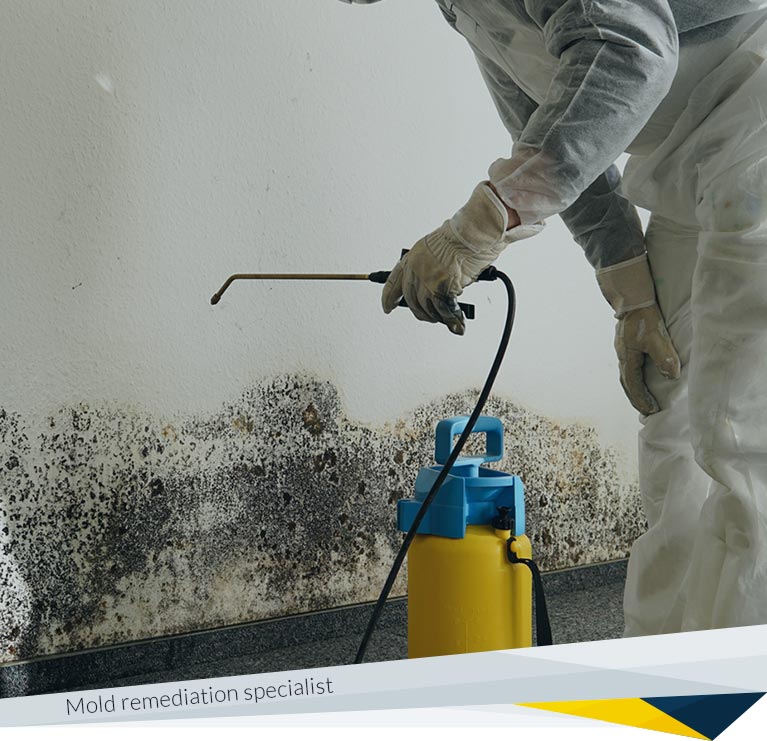
A good mold remediation process is not "wipe it and pray." It is a controlled process that aims to remove contaminated materials where needed, prevent cross-contamination, and correct the conditions that allow growth.

Depending on the scope, professional mold remediation may include:

  • setting up containment to keep particles from spreading
  • using HEPA filtration to reduce airborne particulates during work
  • removing and disposing of contaminated porous materials
  • cleaning remaining structural materials appropriately
  • drying and correcting moisture sources so growth is less likely to return

What it can do is make the building objectively better: drier, cleaner, and less supportive of mold growth.

Not sure whether you need mold testing, inspection, or remediation? FDP Mold Remediation can explain the difference in plain English and help you pick the next step that matches your situation, not your anxiety. Call us at 877-421-2614 or contact us online.

If You're Worried About Health, Here's The Safest Next Step

If you have concerns or persistent symptoms, talk with a clinician. That is the right place for diagnosis and treatment.

Separately, if you suspect a building problem, get it assessed so you can stop guessing. A visual assessment and moisture check can help locate likely moisture sources, identify visible conditions, and define a clear scope for the next steps.

Bottom Line

If you found mold and you're worried about mold exposure symptoms, you're not being dramatic. You're observant. Just don't let the internet pressure you into certainty that doesn't exist.

Handle the building problem: moisture-first, scope clearly, remediate correctly. Handle health concerns: evaluated by a clinician, without assuming the cause.

If you want to help with the building side, start with photos for an initial screen or an on-site visual assessment and moisture check for a clearer plan.

FAQ

Can mold exposure affect health?

Yes. Living or working in damp or moldy buildings is associated with respiratory symptoms and asthma in some people, especially those with allergies or asthma.

Do I need to know the mold type?

Usually, no. If you see or smell mold, CDC guidance is to remove it and fix the moisture problem.

Is "mold poisoning" a real diagnosis?

People use the term, but it's not a standard medical diagnosis in the way many assume. What matters is your actual situation: dampness, visible growth, and how you're feeling, evaluated by a clinician if needed.

Can mold exposure cause a cough or congestion?

It can, for some people, often through allergy or irritation mechanisms. But those symptoms are common to many conditions, so use them as a prompt to assess the building and get medical guidance if symptoms persist.

What are mold allergy symptoms?

Mold allergy symptoms often look like other allergies: sneezing, runny or stuffy nose, itchy eyes, and sometimes coughing or wheezing in sensitized individuals.

How do I stop mold from coming back?

Fix the moisture source, dry wet materials quickly, keep humidity under control, and make sure bathrooms, kitchens, basements, and crawl spaces actually dry out between uses.

««« Back to our blog


Jacob Smith

About Author

Jacob Smith is a mold remediation expert at . He has over twenty years of experience in the field and likes to write about mold when he is not remediating this fungus from someone's home or facility.

Jacob's Facebook Page
About author

Mold Remediation IICRC Certified
Choose fdp mold remediation with confidence
  • IICRC Certified Mold Remediation
  • Rebuild done by licensed contractors
  • Full Service solution, Inspection, Testing, Remediation
  • Clear communication from quote to completion
  • We finish on time and on budget
  • Applied Structural Drying Technician
  • Water Damage Restoration Technician
  • Applied Microbial Remediation Specialist
  • HEPA-Filtration Units
licensed, certified & insured mold remediation specialists
IICRC Certified
EPA Certified