Mold Remediation in Historical Buildings
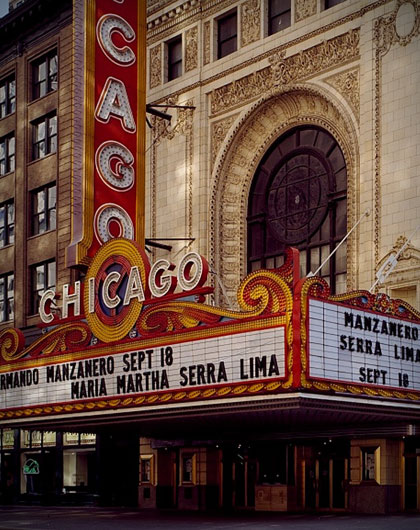
Historic buildings are priceless treasures that tell us about the past and help shape the character of our towns and cities. These works of architecture hold stories from the past, but they are also in danger from mold.
Mold growth in historic houses is hard to fix because you need to know specific things and use specific methods. This article goes into detail about how to get rid of mold in old buildings. It talks about the difficulties, best practices, advanced techniques, and teamwork that assist in protecting our heritage.
Figuring Out the Unique Problems
Historical buildings show how well people can work together and make things. But because of their age and the materials used to build them, mold can grow in them. Let us look more closely at the problems that mold causes in old buildings.
The Factor of Aging
The age of historic houses is one of the main reasons they tend to get mold. Over time, these buildings settle, and the materials they're made of break down. This makes it easier for water to get inside and speeds up mold growth.
Not Having Any Modern Systems
Modern buildings have improved moisture barriers and HVAC systems, but historical buildings often don't have these things. Because of this, they are more likely to have problems with wetness, which is a major cause of mold growth.
How to Get Rid of Mold the Right Way
Getting rid of mold in ancient buildings needs to be done carefully and with respect for the building's historical importance. Here are some of the best ways to make sure that cleanup works well while also protecting heritage:
Inspection at Length
Start by having certified mold removal experts do a full mold check. They will figure out how bad the mold problem is and what's causing it.
Mold Isolation and Holding
Mold spores can't spread if you keep the affected places separate. Advanced containment methods are needed to keep the building and its people safe.
Safe Removal
Professionals with a lot of experience and high-tech tools safely get rid of mold. In this step, you will carefully handle and get rid of materials that are contaminated.
Having Enough Airflow
Making sure there is enough airflow during and after repair helps keep the air quality inside healthy and stops mold problems from happening again.
New Methods for Cleaning Up Mold From the Past
To get rid of mold in historic buildings, you need to use special methods that mix restoring and preserving:
Solutions That Are Good for Preservation
Choose remediation methods that are good for historical materials and styles, and put preservation first.
Controlling the humidity and temperature
Use hydrothermal control methods to keep the temperature and humidity in check, which will lower the chance of mold growth in the future.
Scrubbing the air
To get rid of mold spores and improve the quality of the air inside your home, use air scrubbers with HEPA screens.
Methods That Don't Damage
Look into ways to get rid of mold that doesn't damage historical surfaces too much.
Getting Preservation Experts and Local Services Involved
Mold removal experts, protection experts, and local services must work together to keep historical buildings safe from mold damage.
Experts in Preservation
Hire preservation architects and experts to come up with a plan for fixing things up that follows the rules for historical preservation.
Help in Your Area
Local building and restoration services are very important for fixing any damage to structures that mold and water have caused.
Insurance That Covers Mold Damage in Old Buildings
It is very important to know what kinds of insurance cover mold damage in historic homes. Talk to your insurance company to make sure that you are covered for any problems that might arise because of mold.
Mold Remediation Services for Older and Historic Buildings
Managing mold in older and historic buildings requires more than removing visible growth. The age of the structure, original materials, construction methods, and previous repairs can all affect how moisture moves through the building and how remediation should be approached.
At FDP Mold Remediation, we understand the importance of protecting both the building itself and the materials that give it historical value. Our approach focuses on identifying the moisture source, understanding the affected materials, and developing a remediation plan that addresses the mold problem while considering the property's unique characteristics.
Effective mold remediation in historic buildings often requires careful planning, controlled removal of affected materials when needed, and coordination with other professionals involved in preservation or repairs. The goal is not only to address current mold growth but also to help reduce the conditions that allow it to return.
Whether you manage a historic property, maintain an older home, or are responsible for a building with valuable original materials, FDP Mold Remediation can help evaluate the condition and determine the appropriate next steps. Contact FDP Mold Remediation to discuss your concerns or schedule an inspection.