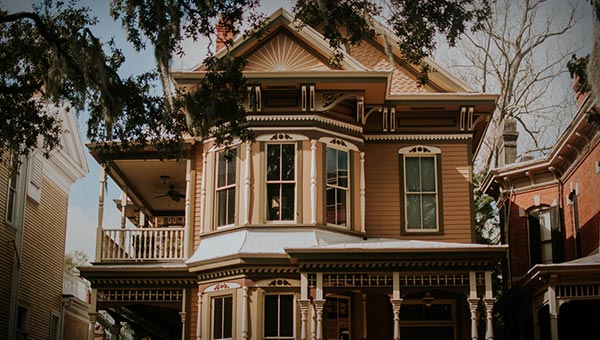
Mold in Historical Buildings: What to Look For
Preserving antique buildings requires early mold detection. Recognizing mold symptoms can help solve the problem quickly. What to look for:
Musty Smells
Mustiness is a common sign of mold in historical buildings. A foul, earthy scent that persists even after cleaning may indicate concealed mold growth. This odor frequently indicates insufficient ventilation or moisture.
Visible Mold
Mold growth is sometimes visible. Check walls, ceilings, and other surfaces for mold. Mold can be black, green, or white. Mold can spread quickly if left untreated, so don't overlook it.
Walls or Ceilings Discolored
Surfaces can darken from mold. Wall and ceiling stains, especially in wet places like bathrooms and basements, may indicate mold growth. These stains may indicate a deeper issue than water damage.
Wood Broken Parts
Historical buildings sometimes have mold-prone timber. Check timber beams, columns, and flooring for degradation. Mold weakens wood and affects building structure.
Health Issues
Historical buildings with mold pollution can harm residents and workers. It can worsen allergies and respiratory disorders, causing sneezing, coughing, itchy eyes, and difficulty breathing. Mold may cause sudden health concerns in building inhabitants.
Common Areas In Historical Buildings That are prone to mold growth.
Some parts of ancient buildings are more likely to get mold because of the moisture in those buildings. Because they don't have enough airflow, basements, attics, and crawlspaces are often hotspots. Also, places like bathrooms and kitchens where water is used a lot can be at risk.