Managing Seasonal Mold Risks in Temperate Climates
Mold prevention in temperate climates can also present some problems, primarily due to changes in humidity and temperature during different seasons. If these changes are not managed effectively, the chances for mold to grow increase throughout the year.
If the indoor environment is wet in the warmer months, air conditioning and dehumidification are necessary to reduce indoor humidity. Ensure your air conditioning units are well checked and cleaned often so that they are well functioning.
During the winter period, the presence of mold is normally changed by indoor heating systems. Make sure that the heating system is in good condition, and do not let the indoor humidity go too high. Proper usage of humidifiers can be beneficial in avoiding dry air problems, hence allowing people with such problems as dry skin and respiratory diseases to benefit from a change in the environment. However, do not overdo it because that is when one is creating conditions that are suitable for mold growth.
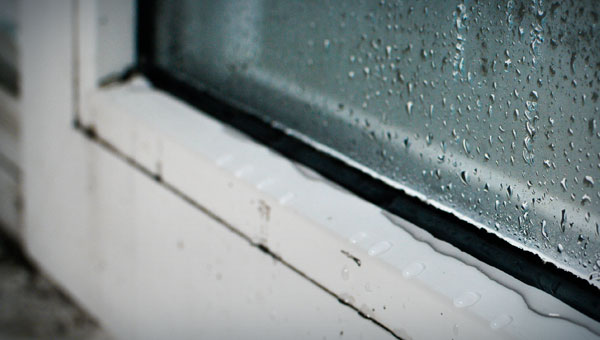
Moreover, check whether your house has areas that could allow moisture in, such as water pipes, roofs, or windows. These problems can worsen in winter and summer, so early repair and maintenance are recommended to reduce the risk of mold growth in summer and other high-moisture seasons.
In the case of a rainy or snowy day, make sure that water does not flow towards the direction of the foundation of your home. Gutters and downspouts are useful in that they do not allow water to accumulate around the house and seep into the structure.