Key Factors Contributing to Mold Growth in Arid Regions
Mold is resourceful and can always adapt to the existing conditions even if the climate is dry. The main point here is that one does not need a monsoon to find mold; it is just a few drops of water from time to time. In arid climates, the sources of humidity are less apparent, but they are equally as efficient. Even pipes that release water, inadequate ventilation, and even high indoor humidity are places where certain spores require moisture to thrive.
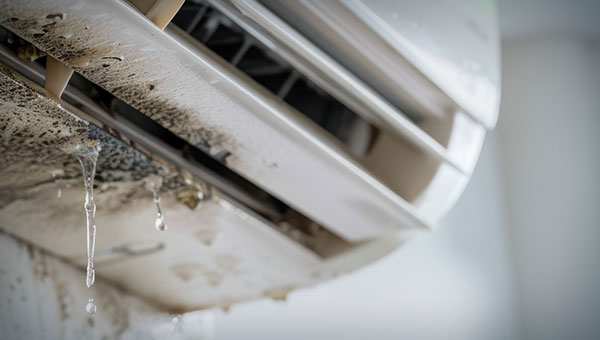
A major source, specifically in relatively dry regions, is the use of evaporative coolers, which are also referred to as swamp coolers. Even though these systems are meant to add moisture to the air to a comfortable level, they also provide excess moisture when used often without proper care. This can form a conducive place for mold to grow, especially if the system is not washed or leakage is developed.
One of the other potentially underestimated issues is condensation. In a dry climate, one might not expect the temperatures to drop during the night, but they do, and this causes window, pipe, or wall condensation. Due to condensation, moisture can form, which may lead to mold growth, especially where the areas are not well insulated or ventilated.