Common Causes of Mold in HVAC Systems
Excess Humidity and Condensation
Air conditioners remove heat and moisture from indoor air. When humidity stays high, cold HVAC components may collect condensation more often. If that moisture does not drain or dry properly, damp surfaces can form around coils, ductwork, registers, or equipment.
Clogged Condensate Drains or Drain Pans
Cooling systems create condensate. That water should collect in a drain pan and move out through a condensate line. If the line clogs or the pan becomes dirty, water can sit near dust, insulation, and airflow.
Damp Filters, Dirty Components, and Restricted Airflow
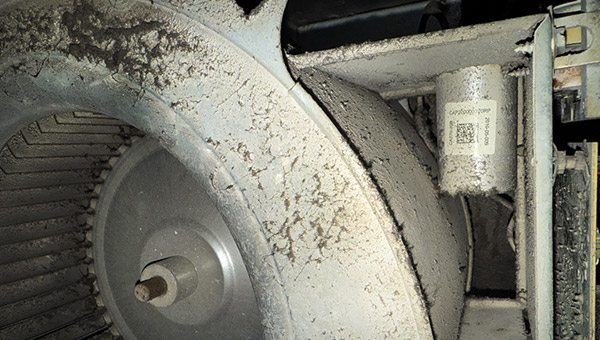
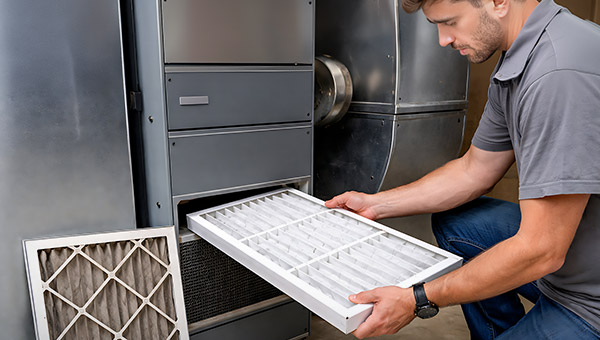
Filters help keep particles from moving deeper into the system. When filters are overdue, damp, or overloaded, airflow can drop. Restricted airflow can also make coils colder than they should be, which can increase condensation and make mold more likely.
Leaky Ducts or Moisture Entering the System
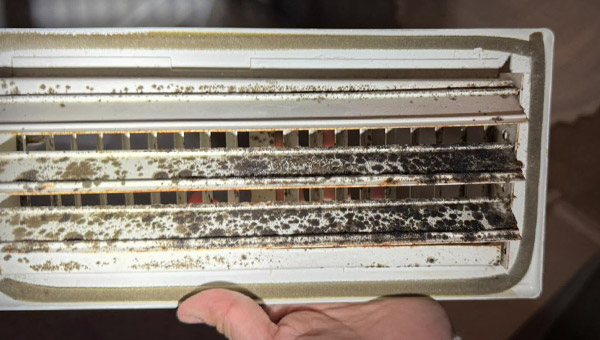
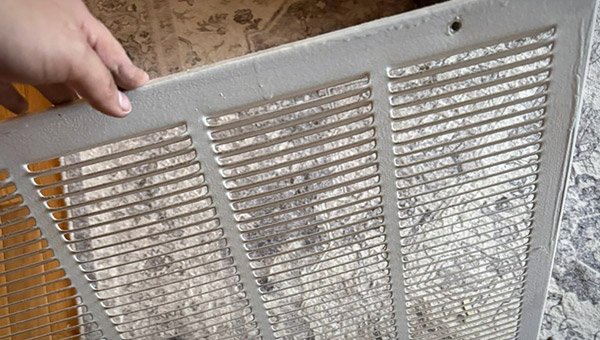
Duct leaks can pull air from attics, crawl spaces, wall cavities, or other humid or dusty areas. If ducts run through unconditioned spaces, condensation and debris can build up where they are hard to see. Mold in air ducts often has more to do with moisture and airflow than with the vent cover itself.
Water Damage Near HVAC Equipment
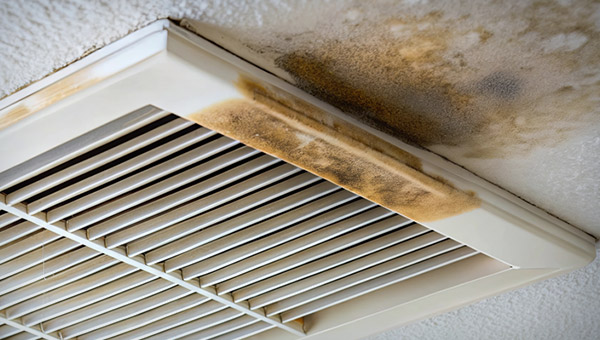
Sometimes the HVAC system is not the original source. A roof leak above ductwork, a damp mechanical room, water near an air handler, or crawl space moisture can affect nearby HVAC materials. Staining near a register or damp ceiling material near ductwork may point to a broader moisture problem.