October 2018
How to Remove Mold from HVAC
Mold infestation in your Heating, Ventilation, and Air Conditioning (HVAC) system is a serious issue that can compromise air quality and pose potential health risks. Today, we will delve into the intricacies of HVAC mold removal, providing insights into the process and the crucial role of experts in ensuring your home remains mold-free.
How Do You Know There Is Mold in Your HVAC System
Detecting mold within your HVAC system can pose a challenge, primarily because it tends to thrive in concealed spots like air ducts and vents. Nevertheless, there are telltale signs to be vigilant for.
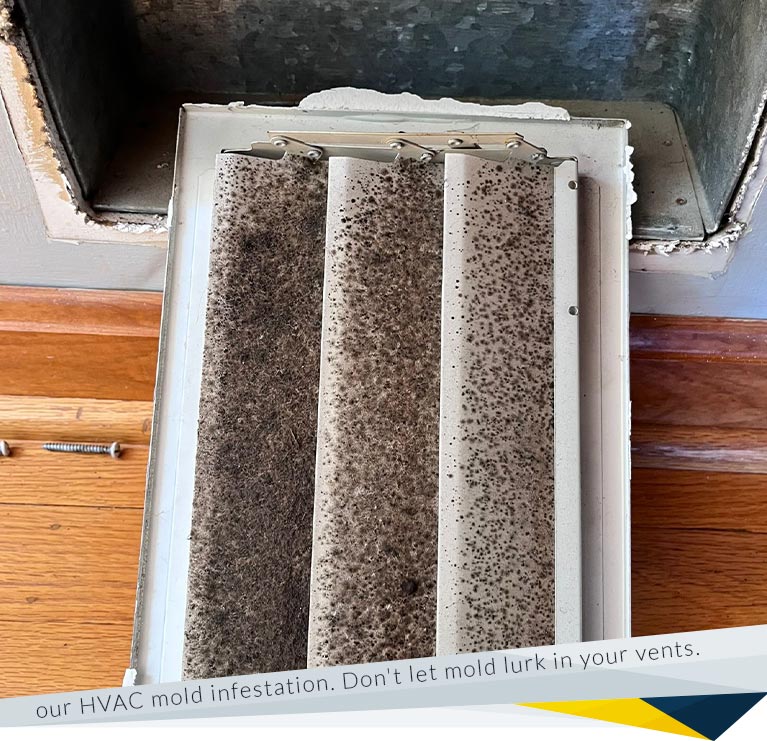
One of the most apparent indicators is unusual odors. If a musty or moldy smell wafts from your air vents while your HVAC system is operational, it may be a clear sign of mold presence. Sometimes, you may spot visible mold growth. This could manifest around air vents, within ducts, or even on the ceiling in proximity to these areas.
Another important clue lies in allergic symptoms experienced by those inhabiting the space. If individuals start exhibiting allergy-like reactions such as sneezing, coughing, or itchy eyes when the HVAC system is running, it's a potential red flag that merits investigation.

Why Would Mold Grow in My HVAC Air Ducts
Mold thrives in moist, dark environments, making HVAC air ducts an ideal breeding ground. Here are some reasons why mold may grow in your HVAC system:
- Condensation: HVAC systems often produce condensation, especially during hot, humid weather. This moisture can lead to mold growth if not effectively managed.
- Leaky Ducts: If your air ducts have leaks, they can pull in damp, mold-containing air from spaces like basements or attics, spreading mold spores throughout the system.
- Improper Maintenance: Without regular cleaning and maintenance, dust and debris can accumulate in your HVAC system, providing organic material for mold to feed on.
How Can I Remove Mold from HVAC Air Ducts
Removing mold from HVAC air ducts requires professional techniques. At FDP Mold Remediation the process typically involves the following steps:
- Inspection and Testing: Professionals use specialized equipment to inspect your HVAC system and test for mold. This helps them identify the type and extent of the mold problem.
- Containment: The affected area is sealed off to prevent the spread of mold spores during the remediation process.
- HVAC Mold Treatment: Professionals use EPA-approved antimicrobial agents to clean the HVAC system and remove mold. They also use high-efficiency vacuum systems to remove mold spores from the air.
Why Do You Need Professionals for HVAC Mold Removal
Hiring professionals for HVAC mold removal is crucial for several reasons. Their expertise and experience in handling complex HVAC systems, along with their knowledge of mold's hidden growth spots, ensure thorough and effective remediation. Safety is paramount, as mold can release harmful spores and mycotoxins, posing health risks when disturbed. FDP Mold Remediation specialists are trained to handle these hazards safely, protecting both themselves and building occupants. They also have access to specialized equipment, making the process more efficient.
Furthermore, professionals go beyond just removing visible mold; they address the root causes to prevent future infestations. Attempting HVAC mold removal on your own can be time-consuming and may not offer a lasting solution. In contrast, professionals work efficiently, saving you time and money while ensuring compliance with industry standards and regulations, ultimately providing a comprehensive and long-term resolution to the issue.
What Are the HVAC Mold Removal Techniques
HVAC mold removal techniques involve a systematic approach to eliminate mold growth in heating, ventilation, and air conditioning systems. The process starts with a thorough inspection and assessment to determine the extent of mold contamination. Professionals use specialized tools to locate mold growth in air ducts and vents. After this assessment, containment measures are put into place to prevent mold spores from spreading to other areas of the building. This usually includes sealing affected ducts and vents to contain the mold.
To further ensure a safe and effective removal process, negative air pressure machines may be employed. These machines create controlled airflow, directing any released mold spores to filtration systems, thus preventing their release into the surrounding environment. Subsequently, the actual removal of mold from the HVAC system takes place, often involving thorough cleaning of ducts and vents. Finally, preventive measures are implemented to address the root causes of mold growth, helping to deter future infestations and ensure a long-term solution. This comprehensive approach is crucial for maintaining a clean and safe HVAC system.
Strategies to Keep Mold from Coming Back After Removal is Complete
Preventing mold from resurfacing after its removal is an essential task that involves maintaining a dry and well-ventilated environment. Mold thrives in damp conditions, so it is important to control the moisture and humidity levels in your home. Ensuring that your home is well-ventilated can help reduce moisture and deter mold growth, especially in high-moisture areas like bathrooms and kitchens. Regular maintenance and inspections, coupled with swift repairs, are also key in preventing mold problems. This includes timely detection and repair of leaks, regular cleaning of gutters, and directing rainwater away from your house to manage moisture levels. Lastly, scheduling regular professional inspections can help detect early signs of mold, enabling prompt remediation before the mold spreads.
Why Choose Our Professionals for HVAC Mold Treatment
Dealing with mold in your HVAC system is a task best left to the professionals at FDP Mold Remediation. Our experience, skills, and specialized equipment ensure a safe and thorough HVAC mold treatment process. If you suspect a mold problem in your HVAC system, do not hesitate to contact our professional mold remediation service.
Call us today for a comprehensive HVAC mold inspection and ensure a healthier, mold-free environment in your home or office.