Mold in Air Ducts: How to Spot It, What Causes It, and the Right Next Step
Most people end up Googling "mold in air ducts" the same way: not because they planned to, but because something feels off. The system kicks on and the air smells damp. You notice dark specks around a vent that weren't there last season. Or someone pops a register cover and you find yourself peering into the ductwork thinking, "Okay... what am I looking at?"
Here's the grounded truth: a lot of things get mistaken for mold in ductwork. Dust, soot, old staining, condensation marks, and general microbial buildup can all look suspicious in a flashlight beam. The goal isn't to diagnose it from one photo. The goal is to figure out whether moisture is present in the HVAC system, and whether the conditions actually support growth.
Public guidance from occupational and environmental health agencies generally emphasizes moisture control and scope-appropriate cleanup, rather than treating symptoms or one surface spot as proof of what is happening inside the system.
What Usually Matters Most
Mold in air ducts is usually linked to moisture, not just "dirty ducts". Common drivers include condensation, leaks, wet insulation, clogged condensate drains, or humidity that stays high long enough for growth to develop. Many dark marks that look like mold in your ducts may not be mold at all, like dust or other staining, so confirmation matters.
A practical approach to suspected mold in air ducts is to address moisture sources where accessible, make sure impacted areas can dry, then clean or remediate based on the material type and how widespread the issue is.
If you want help making sense of what you're seeing, call FDP Mold Remediation at 877-421-2614. We can share general possibilities and next-step questions and let you know when an on-site evaluation makes sense.
What Counts as "Mold in Air Ducts" and Where It Shows Up
When people say mold in air ducts, they often mean one of these three scenarios.
Visible growth inside a duct run: This is what most homeowners picture when they search for mold in ducts. If you can see growth inside a run, the next questions are about moisture, material type, and scope.
Growth near the air handling equipment: Growth at or near the air handler, evaporator coil, condensate pan, or nearby insulation is common because those areas can stay damp if drainage, airflow, or humidity control is off.
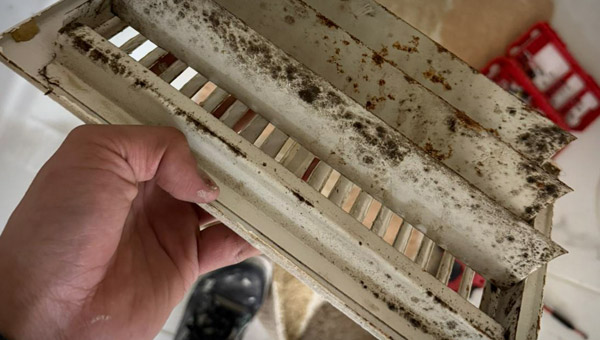
Spotting on air vents or around registers: Sometimes this is condensation-driven spotting at the vent. Sometimes it is dust collecting because of airflow patterns. It can look similar, but the fix is not always the same.
What Causes Mold in Air Ducts
If you're trying to understand what causes mold in air ducts, start with the one thing mold needs in addition to the dust or other materials that can feed it - moisture.
Condensation Inside the System
Air conditioning naturally creates condensation. When everything is working properly, that moisture drains away. When something is off, water can remain inside the air ducts or by vents or machinery. That can support microbial growth in or near HVAC components.
Common triggers include poor airflow, temperature differences that cause sweating on metal surfaces, or insulation gaps that let warm, humid air hit cold duct surfaces.
Drain and Pan Problems
A clogged condensate drain or a pan that does not drain properly can leave standing water. Standing water plus dust can create conditions that support microbial buildup.
Leaks onto Insulation or Duct Liners
Plumbing leaks near ductwork, roof leaks into an attic duct run, or humidifier issues can wet insulation or duct liners. Once porous materials stay damp, mold in the ductwork becomes more likely.
High Indoor Humidity
If indoor humidity stays elevated for long stretches, parts of the system may be damp more often than you realize. The most useful red flags are persistent condensation, damp insulation, and surfaces that never seem to fully dry out.
Dirty Filters and Filter Bypass
A dirty filter does not automatically create mold. But poor filtration and filter bypass can increase dust buildup on coils and interior surfaces. Dust can hold moisture and provide food for growth, especially in areas that are already damp.
Is It Mold in My HVAC System?
A lot of homeowners see something dark and start cleaning without knowing what it is. Dark dust around supply vents can point to airflow patterns, soot, or filtration issues, and is not automatically mold.
Spotting on vent covers can be condensation, staining, or microbial growth. The deciding factor is whether the vent area is sweating, the room stays humid, or the spotting changes over time.
A slimy film near a drain pan area can be consistent with biofilm or microbial buildup tied to moisture handling and maintenance.
White fuzzy-looking material on insulation can be insulation fibers, debris, or fungal growth. Moisture plus porous material is the bigger concern.
Dark patches inside the duct liner can be stained or microbial growth. This usually needs a moisture context and careful evaluation because liners are porous.
If the system is dry, humidity is controlled, and marks do not change over time, dust or staining becomes more likely. If there is active condensation, repeated dampness, wet insulation, or a musty odor when the system runs, microbial growth becomes more plausible.
If you've found spotting on air vents or you suspect mold in HVAC, contact FDP Mold Remediation. We can help you sort through dust, staining, condensation-driven spotting, and situations that may call for professional remediation.
White and Black Mold in Air Ducts
People search for white mold in air ducts or black mold in vents out of concern for some molds causing health issues. Color is not a reliable identification method. Different molds can look similar. Dark staining or white fuzz does not confirm the species.
A more useful approach is to focus on scope and materials. The answers to the following questions usually determine the next step more than the color label:
Is the affected area small and on a non-porous surface?
Is porous insulation or a duct liner involved?
Is the area still moist or damp?
Does the issue recur even after changes were made?
How to Check for Mold in Air Ducts Safely
You do not need a lab coat. You need a simple fact pattern that helps you choose the right next step, without turning suspicion into a messy DIY project.
Start with patterns: Does the musty odor happen only when the system runs? Do you notice it more in the cooling season? Does it spike after humid weather or heavy rain? Patterns matter.
Look for moisture evidence: Check for visible condensation on supply vents. Look for sweating on exposed duct surfaces. If you can see the air handler area without removing panels, look for obvious standing water in a condensate pan, damp insulation nearby, or drip marks.
Document what you see: Take photos of vent covers, nearby ceiling or wall spotting, and any visible interior surfaces you can view safely. A close-up helps, but a wide shot matters because it shows location and context.
Consider the materials: Bare metal ducts are different from internally lined ducts. Ductboard is different from sheet metal. Porous materials that are damp and impacted may require removal rather than wiping. If you want one simple measurement habit, track indoor humidity for a week. If humidity stays high and vents sweat, your system is living in conditions that can support growth.
Important note: If checking any of these requires removing panels, pulling insulation, or reaching into equipment, stop and call an HVAC professional. Messing around with electrical components and moving parts are not for the inexperienced homeowner.
How To Get Rid of Mold in Air Ducts
A lot of online advice makes air duct mold cleaning sound like wiping a countertop. HVAC systems are not countertops. The approach should match the material and the moisture story.
What Tends to Help
Moisture-first fixes. If you do not stop the moisture, mold in the ducts can return.
Cleaning the right surfaces the right way. If accessible non-porous surfaces have confirmed growth and the moisture issue is resolved, controlled cleaning can help.
Removing impacted porous materials when needed. If growth is on damp porous insulation or duct liner, wiping may not solve the problem.
Drying and stabilizing. Fast drying and moisture correction are not optional extras. They are what reduce repeat conditions.
What Often Don't Help
Cleaning without fixing condensation. People wipe vents, spray products, and the spotting returns because the vent keeps sweating.
Spraying chemicals into duct runs without understanding the materials. This can be ineffective, can create unnecessary exposure, and can add moisture to a system that already has a moisture problem.
Treating irritation or discomfort as confirmation. Symptoms are not proof of mold in ductwork. The better approach is to assess the building and system conditions.
Homeowner Steps That Are Reasonable and Lower Risk
These are steps that are typically accessible without disassembling equipment. They can also help you decide whether the next step is moisture control, mold inspection, or professional air duct mold removal, rather than experimenting inside the duct runs:
Replace the HVAC filter and make sure it fits properly to reduce filter bypass.
Check for obvious condensation or sweating at vents and nearby exposed duct surfaces.
Use bathroom and kitchen exhaust fans during showers and cooking to reduce indoor humidity.
If you can see the condensate drain line or pan area without removing panels, look for obvious standing water or overflow marks. If water is present, stop and call an HVAC professional.
Avoid introducing liquids, foggers, or sprays into duct runs unless a qualified professional advises on your specific system and materials.
If any step reveals active moisture, the priority becomes stopping that moisture and drying the area, not deep cleaning the duct interior.
When to Call a Mold Remediation Company
Consider professional mold remediation if there is confirmed growth across multiple areas, if porous materials like insulation or duct liner are impacted, if the issue keeps returning after HVAC moisture fixes, or if you have a musty odor that persists despite drying and maintenance steps.
Professional Mold Remediation for Mold in Ductwork
A professional approach may include identifying where the suspected growth is, assessing moisture conditions that may be feeding it, and determining what materials are impacted.
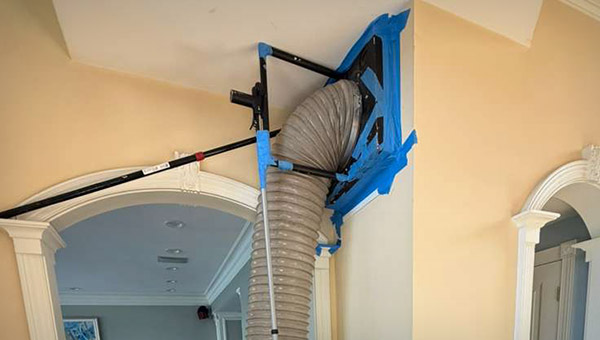
Experienced mold specialists may also note access limitations and explain what can and cannot be verified without opening assemblies. Containment may be used when the situation calls for it. Cleanable surfaces may be addressed with controlled methods, and porous materials that are contaminated or remain damp may require removal. The system and surrounding areas are then dried and stabilized as much as practical, depending on access and materials, to help reduce the chance of recurrence.
No trustworthy provider should promise your home will be "mold-free forever." The better standard is clarity: clear findings, a clear scope, and a moisture plan that reduces repeat growth conditions.
Prevention: Keeping Mold from Returning in Air Ducts
Prevention is mostly about moisture control and drying time.
If vents sweat, the goal is to solve the humidity and temperature mismatch. Depending on the home, that might involve airflow corrections, insulation adjustments, or humidity reduction strategies.
Keep the system draining correctly. A small drain issue can create repeated dampness in the same place.
Use filtration correctly. A well-fitted filter helps reduce dust buildup where moisture tends to collect, like around coils.
Pay attention to humidity patterns. Instead of chasing a perfect number, watch for persistent condensation, damp materials, and rooms that never seem to dry out.
You are not trying to sterilize your ducts. You are trying to remove the conditions that allow growth to develop.
FAQ
What smells like mold but isn't mold in ducts?
Dusty duct odor, stale air from low airflow, and general humidity odors can mimic a musty smell. Odor alone does not confirm mold, but it does justify checking for moisture and damp materials.
Does mold on air vents mean it is also in the ductwork?
Not always. Vent spotting can be condensation-driven at the register area, or it can be dust patterns. Moisture context is what decides the next step.
Is black mold in air ducts automatically dangerous?
Color does not confirm species or severity. Treat dark spotting as a reason to investigate moisture and scope, not a reason to assume the worst.
How fast should wet air duct materials dry?
The sooner the better. If materials are staying wet or repeatedly damp, that is a strong signal that the moisture driver is still active.
How do you clean mold from air ducts?
If you suspect mold in ductwork, the safest approach is usually to address moisture first, then have a qualified HVAC or remediation provider evaluate which parts of the system can be cleaned versus which may need replacement.
Keep Calm and Take the Next Step
If you suspect mold in your air duct, you do not need to jump straight to panic or spraying. Start with the practical sequence: look for moisture, document what you see, identify what materials are involved, then choose the right level of response.
If you want a clear, non-alarmist plan, call FDP Mold Remediation at 877-421-2614. We can help you understand whether you're dealing with mold in air ducts, on air vents from condensation, or with an HVAC moisture issue that needs to be fixed first.
Jacob Smith is a mold remediation expert at . He has over twenty years of experience in the field and likes to write about mold when he is not remediating this fungus from someone's home or facility.