Seasonal Changes and Climate Considerations
Your ideal indoor humidity needs can change with the seasons and your local climate. What's "just right" in one season might be problematic in another. Let's break down a few scenarios to understand how regional weather patterns influence indoor humidity control and mold growth across the U.S. climates, helping you prevent moisture problems before they start.
Cold Winter Climates (Northern U.S.)
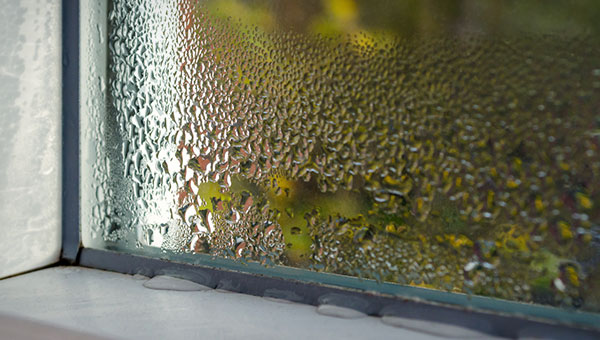
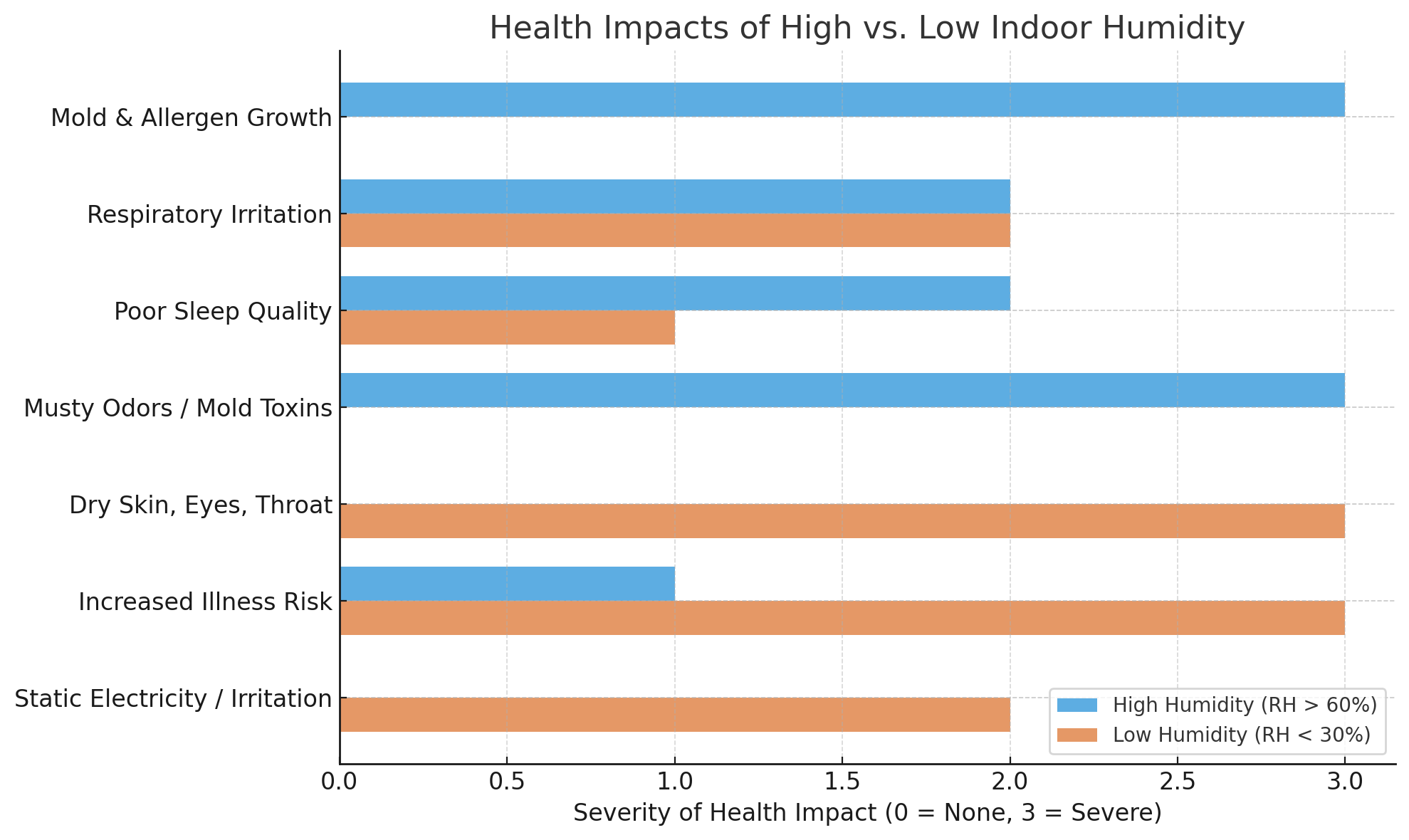
In cold climates, heated indoor air becomes very dry, often dropping below 20% RH in mid-winter. In regions like Minnesota or upstate New York, managing winter humidity is a seasonal challenge, enough to prevent dry skin and nosebleeds, but not so much that moisture collects on cold surfaces.
Humid Summer Climates (Southeast/Gulf Coast)
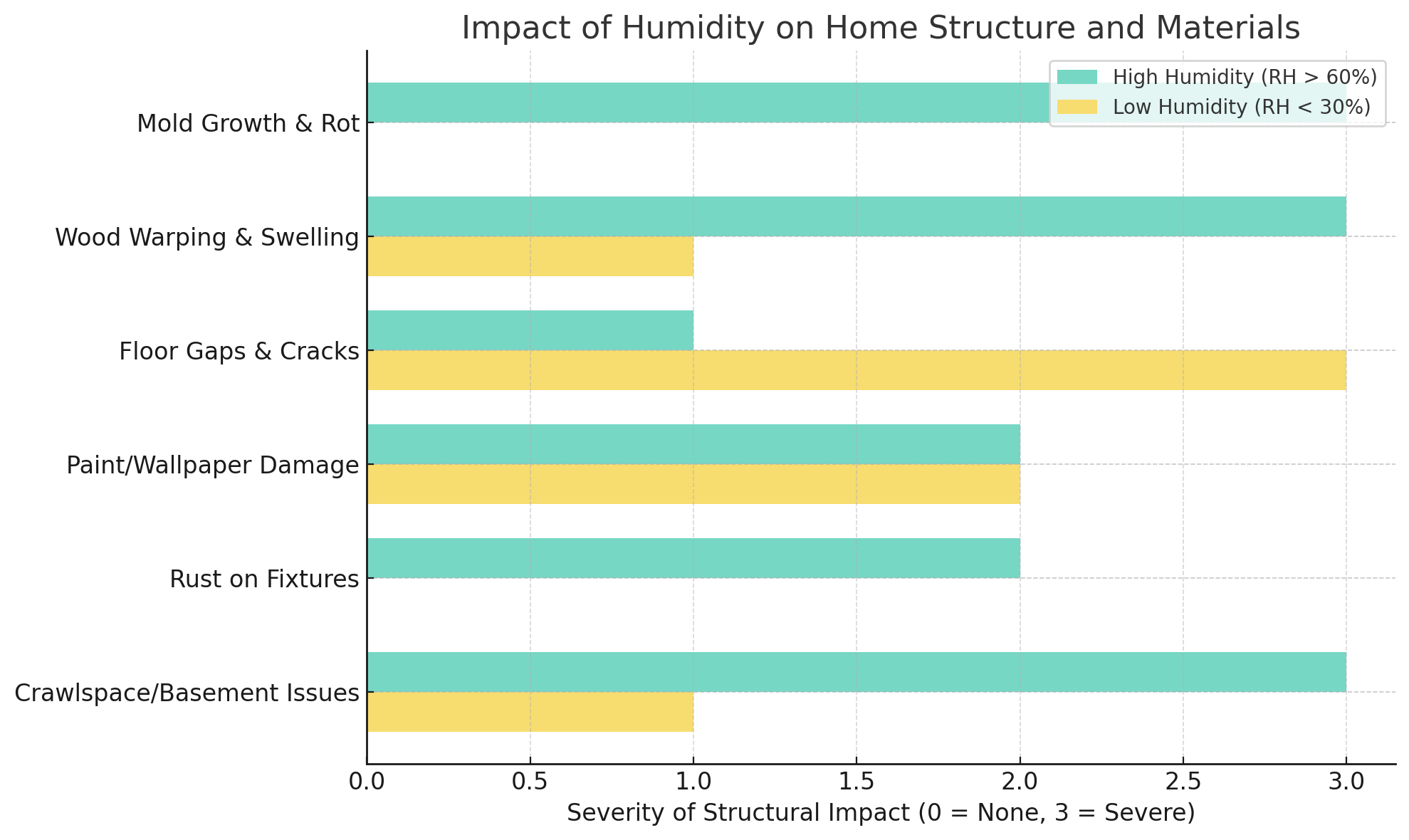
In hot, humid regions like Florida, Louisiana, or the coastal Carolinas, excess moisture is a year-round concern. Outdoor humidity often reaches 70-90%, and without proper control, indoor air can rise well above the safe zone.
For a deeper look at how regional humidity affects indoor air quality and what steps you can take to manage it, see our full article on Mold Challenges in Humid Climates.
Arid Climates (Southwest/Desert Areas)
In arid areas like Arizona, Nevada, or high-altitude regions, humidity is often under 20%, making indoor air extremely dry without added moisture. While mold in dry climates is rare, the lack of humidity can lead to dry skin, irritated sinuses, and cracked wood furnishings. Many residents use humidifiers or evaporative coolers to raise indoor humidity into the balanced zone.
Moderate or Seasonal Climates (Midwest, Northeast, Pacific Northwest)
Many areas experience both ends of the spectrum throughout the year - cold, dry winters and hot, humid summers. In these regions, you'll be switching between humidification and dehumidification seasonally.
The Pacific Northwest has a twist: it's mild but very damp for much of the year - homes there might not have air conditioning if temperatures stay cool, yet the constant rain can keep humidity high.
No matter where you live, it's wise to consider climate-specific mold prevention strategies. If a sudden cold front hits, double-check that your humidifier isn't causing window condensation. If a tropical rainy spell occurs, consider increasing the dehumidifier setting or running the AC a bit more.