Introduction to Mold in Schools
Mold in schools is a big problem for the environment and the health and well-being of both pupils and staff. Mold can cause a number of health problems over time, especially in young children and people who already have health problems.
The Centers for Disease Control and Prevention (CDC) says that being in damp and wet places can make your nose stuffy, irritate your throat, make you cough or wheeze, irritate your eyes, or even irritate your skin. Also, people who are allergic to mold may have worse effects, which shows how important it is to get rid of mold effectively.
Mold Types Most Often Found in Schools
Mold grows in school buildings in different ways and poses health problems. Due to mycotoxins, black mold (Stachybotrys chartarum) is one of the most dangerous. Inhaling these poisons over long periods can be hazardous.
Schools commonly have Cladosporium, Penicillium, and Aspergillus mold in addition to black mold.
- Cladosporium: this mold grows on cool and warm surfaces. It causes respiratory issues and worsens asthma and allergies.
- Penicillium: found in water-damaged places, Penicillium spreads swiftly and causes respiratory and allergy complaints.
- Air conditioning systems can contain Aspergillus, which can cause lung infections and allergic reactions.
Each mold variety has different symptoms and health implications. Mold can be allergenic, causing sneezing, sore eyes, and skin rashes, or poisonous, causing serious respiratory diseases.
Causes of Mold in Schools
Mold grows most often in schools when there are problems with moisture. A study by the Environmental Protection Agency (EPA) found that about 50% of schools have problems with the quality of the air inside, mostly because of issues with wetness. Leaky roofs, water problems, and not enough airflow are some of the main causes of these problems. The National Center for Education Statistics found that about 28% of schools have at least one building with structure problems that can cause water issues, which are a major cause of mold growth.
Where Mold Is Found in Schools
Mold grows best in damp places, and its growth is sped up in places with a lot of humidity. This happens a lot in places like basements, bathrooms, and kitchens, where wetness is more common because of activities and the way the building is built. Also, HVAC systems that aren't well taken care of can make the air inside too humid and cause moisture to build up. When these systems aren't cleaned and maintained properly, mold spores can spread all over the school.
There is more to mold in schools than meets the eye. It's in many places, some of which are obvious and some of which are not. Mold may be visible on the walls or ceilings of a classroom, but it can also grow in HVAC systems, behind walls, under carpets, or in roof tiles.
Mold Removal & Mold Control in Your School
When it comes to dealing with mold in schools, it's important to hire pros. FDP Mold Remediation is an expert at finding mold in schools, getting rid of it, and keeping it from coming back. Our team has the necessary knowledge and high-tech tools to safely and successfully deal with mold problems.
Getting rid of these root reasons is necessary to effectively stop and control mold growth in schools. In this case:
- Regular Maintenance and Repairs: leaky roofs and plumbing systems need to be fixed as soon as possible so that water doesn't build up.
- Increasing ventilation: increasing airflow can greatly lower the buildup of wetness, especially in areas that tend to get damp.
- Keeping an eye on humidity levels: mold growth can be stopped by keeping humidity levels inside in check, ideally between 30% and 50%.
- Proactive Inspections: regular inspections of places that might have mold problems can help find and fix mold problems quickly.
Addressing the moisture conditions that allow mold to develop can help reduce the chance of ongoing growth and support a better learning environment for students and staff. Maintaining dry conditions, responding to water damage quickly, and improving airflow in problem areas are important parts of long-term mold prevention.
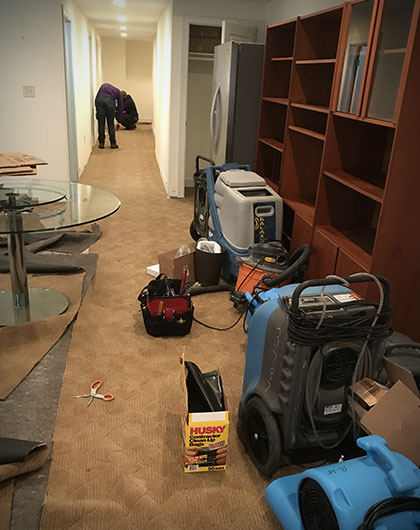
When mold growth is present, professional mold removal services in schools can help evaluate the affected areas, address the underlying moisture concerns, and determine the appropriate steps for restoring the space.
Knowledge of How to Clean Up Mold
FDP Mold Remediation can take care of all of your mold issues in schools. We don't just remove things; we focus on getting to the bottom of the problems and fixing them for good. This method not only fixes the problem at hand but also helps stop mold growth in the future, making the building healthier for students and workers.
The Dangers of Trying to Get Rid of Mold on Your Own
Trying to get rid of mold without professional help can leave it behind and even pose health risks. Mold spores can become mobile if they are handled improperly, which could lead to their spread even more. FDP Mold Remediation follows strict safety rules and industry standards to get rid of mold effectively and safely.
It's clear that FDP Mold Remediation works because our clients have given us good feedback. Schools that have used our services say that the air quality is much better and that health issues have gone down. Our case studies show that we can handle a wide range of mold problems, which supports our claim that we are pros at getting rid of mold.
How Mold Remediation Helps Schools Address Moisture Problems
Effective mold remediation requires more than removing visible growth. It involves understanding the source of moisture, identifying affected materials, and developing a plan that fits the conditions of each school. Clear communication and a property-specific approach help schools understand what needs to be addressed and why.
Mold in schools can affect building materials, classroom spaces, and daily operations. Professional mold remediation helps address the affected areas, reduce the conditions that allow mold to develop, and support the restoration process. A careful approach allows schools to address mold concerns while minimizing unnecessary disruption to students and staff.