
Preventing Mold Growth in Schools
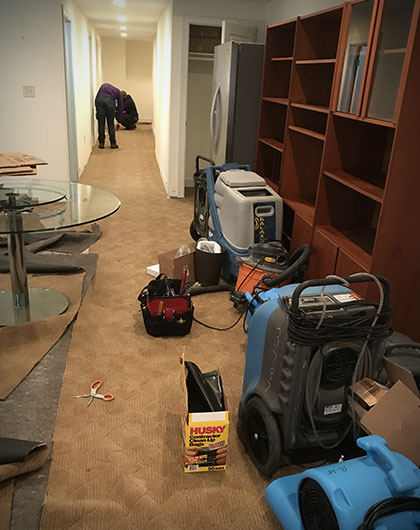
The buildings in schools are not only less safe because of it, but kids and staff are also at serious health risks. To solve this problem successfully, we need to look at it from all angles. As a leader in mold removal and cleanup, FDP Mold Remediation has a set of professional services designed specifically for schools.
Making Sure School Buildings Have Good Airflow
Improving airflow is crucial to prevent mold growth in schools, requiring a combination of strategic building design, the use of mold-resistant materials, regular HVAC system maintenance, and the placement of dehumidifiers in moisture-prone areas.
Effective building layouts that promote cross-ventilation, alongside the selection of materials that inhibit mold, play key roles in maintaining a healthy indoor environment.
Regular checks and upkeep of HVAC systems ensure they effectively control humidity and purify the air, while dehumidifiers in areas like gyms and basements help keep moisture levels in check. These measures, as highlighted by the EPA, are essential for reducing airborne pollutants, including mold spores, thereby safeguarding the health of students and staff.
Techniques To Keep Schools Dry in Wet Conditions
Effective moisture control is key to mold prevention in schools. Comprehensive moisture management requires various practices:
- Water incidents: leaks, spills, and flooding must be addressed immediately to prevent mold growth. Schools can decrease mold growth by promptly drying affected spaces and fixing water entrance points.
- Sewage and drainage systems must be efficient to prevent water buildup around schools. Maintenance keeps water flowing away, preventing moisture from entering the structure.
- Regular moisture source inspections: routine inspections of moisture-prone locations, including roofs, windows, and plumbing systems, help identify and resolve hazards. Identifying and fixing these issues quickly can avoid mold growth.
Controlling interior moisture levels is the best way to prevent mold in any structure, including schools, according to the CDC. This includes cleaning up visible water damage and controlling moisture levels. A thorough moisture and mold control plan includes dehumidifiers in high-humidity regions, appropriate ventilation, and moisture-resistant building materials during construction and restorations. This helps schools create healthier learning environments that are less moldy, protecting children and staff.
Teaching School Staff and Students How to Avoid Mold
To stop mold, people need to be aware of it and learn about it.
Teaching employees how to spot mold helps them find it early and fix it quickly and teaching students how to keep bacteria from growing: Simple habits, like keeping things clean and reporting leaks, can make a big difference.
According to the National Center for Education Statistics, about half of all public schools in the United States have problems with bad indoor air quality, which can lead to mold growth.
Regular Maintenance and Cleaning Plans
Mold can be avoided by cleaning and maintaining things on a regular basis. These things should schools do:
- Set a cleaning plan for every room. This means that high-touch surfaces, carpets, and furniture should all be cleaned often.
- During maintenance, pay attention to places that tend to get wet: mold is more likely to grow in places like bathrooms and kitchens, so extra care should be taken there.
Studies show that mold problems in schools can be greatly reduced by regular maintenance. This shows how important it is to clean and maintain things in a planned way.
Mold Remediation Services for Schools
Addressing mold in educational facilities requires a careful approach that considers the source of moisture, affected materials, and the needs of the school community. FDP Mold Remediation provides professional mold removal services designed to help schools evaluate mold concerns, address affected areas, and reduce the conditions that allow growth to return.
Effective mold remediation goes beyond removing visible growth. It involves identifying contributing factors, communicating clearly throughout the process, and developing solutions based on the specific conditions of each building. Experience with complex environments, including schools, helps ensure that remediation plans consider both the property and daily operations.
Professional mold removal in schools can reduce future mold risks through moisture control, proper ventilation, routine maintenance, and timely response to water damage. A proactive approach helps protect the building and supports a better environment for students and staff.