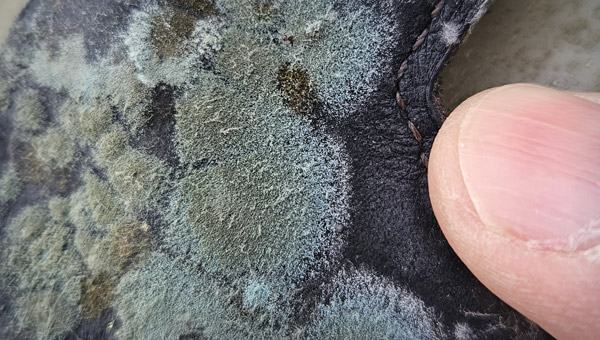
Most homeowners think of mold as a problem limited to basements, walls, or bathrooms, but clothing can be one of its most unexpected victims. Mold on clothes does not just leave stains or create odors - it may weaken fabrics, can spread spores throughout your home, and in some cases may affect indoor comfort. Understanding how and why mold grows on clothing is essential for effective prevention and removal, whether it starts in a damp washer, a humid closet, or a poorly ventilated storage area.
While we do not clean mold from clothing, FDP Mold Remediation specializes in identifying and addressing moisture problems and hidden mold sources within the building that often allow clothing to become moldy in the first place. This guide explains what mold on clothes looks like, why it forms, what homeowners can do to clean affected items, and when it may make sense to have your home inspected for a broader moisture or mold issue.
Mold spores are constantly present in the air, but they grow only when warmth, moisture, and organic material combine. Natural fibers like cotton or wool can support mold growth once damp. Below are the most common contributing conditions:
Any combination of warmth and dampness may allow mold to begin forming within 24-48 hours, especially when clothes are packed tightly or stored in sealed containers.
You can contact FDP Mold Remediation at 877-421-2614 to discuss inspection options and get a clearer picture of what may be happening in your space.
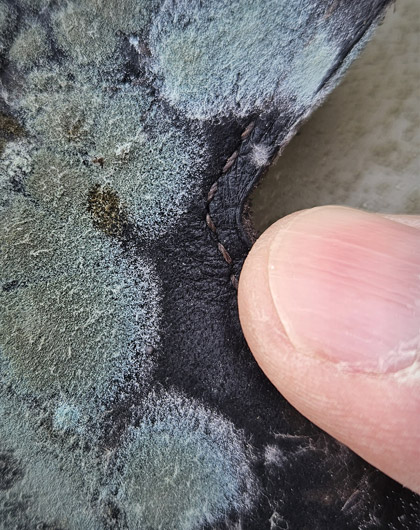

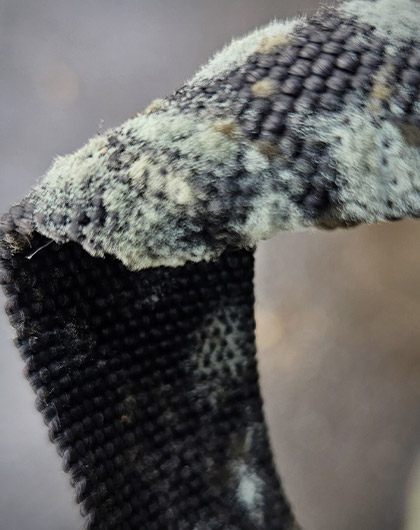
Recognizing mold early can help limit fabric damage. A musty, earthy odor is often the first sign, followed by visible discoloration.
Mold may blend into fabric colors and become noticeable only when odor develops. If clothing smells musty even after washing, residual moisture or spores may still be present.
The terms "mildew" and "mold" are often used interchangeably, but they're not the same. Both are fungi, but they differ in appearance, severity, and how they affect fabrics:
Mildew often affects surface appearance, while mold can degrade fabric strength if conditions persist.
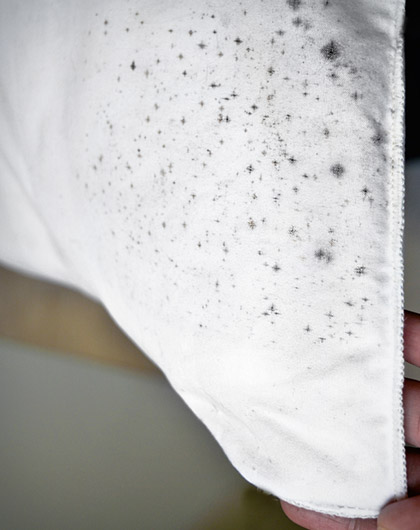
Black mold is one of the most persistent and potentially harmful species. Some molds that appear black have been studied for their potential to produce mycotoxins, but the presence of black mold on clothing does not by itself indicate a specific health outcome.
When black mold appears repeatedly on clothing, it often points to a broader moisture or ventilation issue rather than a laundry problem alone. Because this type of growth may penetrate fabrics, some items may not be salvageable.
If discoloration or odor remains after repeated cleaning, it may be reasonable to inspect the surrounding environment for hidden moisture or mold conditions.
White mold on clothes is easy to miss because it often looks like lint or dust. However, it's just as damaging over time. This type of mold commonly develops in humid storage spaces like basements, closets, or attics where air circulation is limited. It can spread quickly to nearby garments and soft materials such as curtains or bedding.
To remove white mold, wash affected items immediately using hot water and vinegar, then dry them thoroughly. Check surrounding areas for condensation or leaks, as white fungus often signals excess humidity in the environment rather than a one-time issue.
A musty smell is often the first warning sign of hidden mold. Even if you can't see visible spots, airborne spores might be growing inside folded clothes, storage bins, or structural materials near your closet. Here's what to do:
Ignoring ongoing odors can allow moisture problems to continue unnoticed, increasing the likelihood of broader contamination over time.
Once mold has formed on clothing, quick and thorough cleaning is essential. Regular detergent alone often isn't enough to remove spores or neutralize the odor. Follow these steps for effective cleaning:
For delicate or expensive items, professional cleaning may be necessary. If mold persists even after washing, the spores have likely penetrated too deeply, and it may be safer to discard the item rather than risk recontamination.
Preventing mold is far easier than removing it. Since the fungus thrives in humid, stagnant air, improving airflow and reducing moisture are your best defenses. Here's how to prevent mold on clothes in closets and storage spaces:
In damp climates or during humid seasons, consider using moisture-control products like silica gel packets or hanging charcoal bags. For long-term storage, especially in basements or attics, use airtight plastic bins with desiccants rather than cardboard boxes, which absorb moisture.
Your laundry routine plays a major role in preventing mold growth. Small changes can make a big difference in reducing trapped moisture and maintaining cleaner, fresher clothes:
These habits not only prevent mold on clothes but also extend the life of your fabrics and appliances.
Persistent mold on clothing may be a symptom of larger moisture issues in your home. Problems like condensation, high indoor humidity, or hidden leaks can create conditions where mold thrives, even if you clean affected garments. If mold keeps returning, it's time for a full home inspection.
Certified mold technicians can perform visual inspections and moisture assessments to identify areas where dampness or visible mold may be present. Addressing these root causes ensures that mold doesn't simply shift from clothes to walls, HVAC systems, or furniture.
We can inspect the building environment to identify moisture patterns and visible mold, helping you decide on practical next steps. Call us at 877-421-2614 to schedule your inspection and restore a cleaner, drier indoor environment.
Mold on clothes isn't simply a laundry inconvenience - it's often a sign of excess humidity or poor ventilation within your home. By addressing the root cause and following consistent drying and cleaning practices, you can keep fabrics mold-free and fresh year-round. For recurring or severe cases, professional inspection and remediation may be necessary to prevent contamination from spreading to other materials or living areas.
At FDP Mold Remediation, our technicians specialize in identifying and resolving mold problems at their source - whether it's within your home's structure, your HVAC system, or personal belongings. If you have noticed mold on clothes or other signs of hidden moisture, contact our team for expert guidance and professional treatment to restore a safe, healthy environment.
Mold exposure may contribute to irritation or allergy-type symptoms in some people, but clothing mold alone does not confirm a health condition. Health concerns should always be discussed with a healthcare provider.
Small amounts of mold on washable fabrics can often be cleaned by homeowners. Persistent or widespread mold may indicate an environmental moisture issue.
Repeated mold growth often suggests high humidity, poor ventilation, or hidden moisture nearby, rather than a problem with the clothing itself.
No. We do not clean or restore clothing. Our services focus on inspecting and remediating mold and moisture conditions within the building.
If mold continues to appear on clothing despite proper cleaning and drying, or if you notice musty odors, condensation, or past water damage, a professional inspection may help identify underlying moisture sources.