
November 2021
Mold Exposure Symptoms, Diagnosis, Treatment & Prevention
Key Takeaways
- Indoor mold exposure can contribute to allergy-like symptoms in some people, but symptoms alone do not prove that mold is the cause.
- Doctors may use allergy testing to check for mold sensitivity; these tests do not measure "toxicity" or diagnose illness.
- Mold remediation fixes building problems (moisture and mold growth); it does not diagnose or treat medical conditions.
- Preventing moisture and controlling humidity are the most effective ways to reduce mold growth at home.
- Our team at FDP Mold Remediation can inspect, remediate, and help you understand practical next steps for your property.
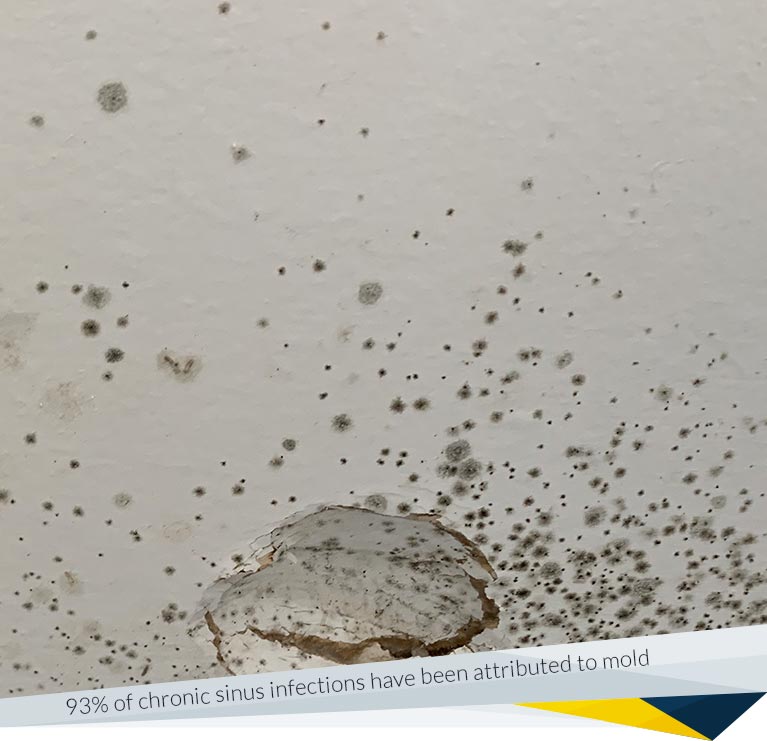
Mold is a normal part of our environment, but when it grows indoors where we live or work, it can become a real concern. People often worry about symptoms of mold exposure, how to test mold, and what kind of treatment or remediation they might need.
In this guide, we explain what signs of mold exposure people commonly report, how health professionals may approach diagnosis, what our work as a remediation company actually involves, and how to prevent mold problems in the first place.
This information is educational only and is not medical advice. Only a healthcare professional can diagnose the cause of any symptoms you might have.