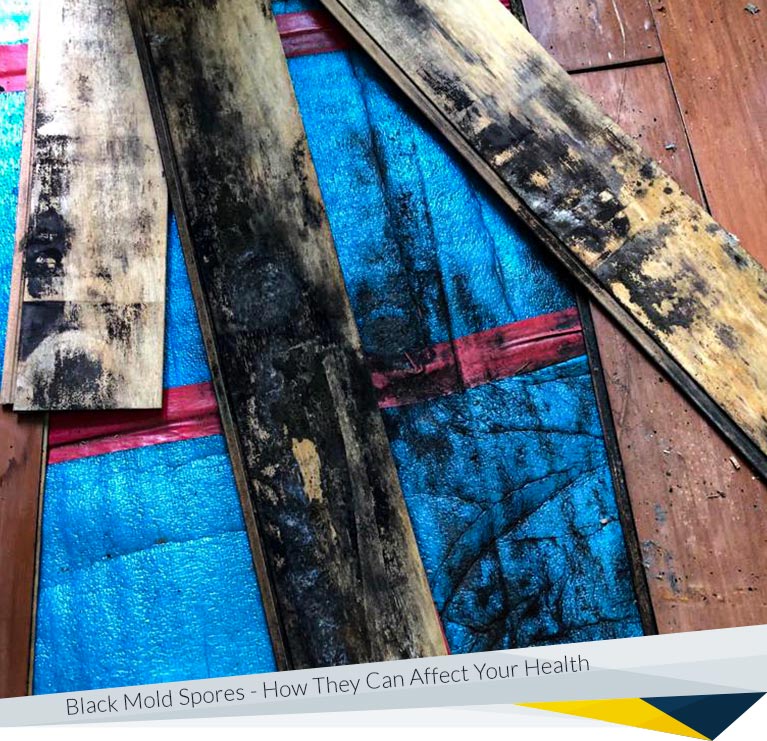
What is Black Mold?
Black mold is generally used to refer to any mold that has a black color or is toxic. However, that is not technically correct as black mold scientifically refers to a species of mold called Stachybotrys chartarum.
Stachybotrys chartarum has a greenish-black color and grows on materials with high cellulose. It also requires constant moisture for growth like other molds. In homes with leakages and flood problems, it's quite common to find this mold.
But, before we get ahead of ourselves, do you know what a mold is?
A mold is a type of fungus that grows on moist surfaces. It comes in different colors and grows in warm, humid climates. Mold spores are, however, often in the air. But until it settles on a moist surface and starts growing, it doesn't usually pose a problem. Once it does, it quickly populates the area, sending even more spores into the air so it can continue to reproduce.
So, back to black mold!
There is a lot of fear and concern about this type of mold. Many people have linked black mold spores with the cause of illnesses like lung cancer and asthma. Black mold releases mycotoxins which are believed to cause these health problems.
However, there is no scientific evidence that inhaling or handling black mold is the root cause of these health issues!
Does that mean you can just ignore that black mold in your house? NO!
Mold, all types of mold growth, should always be removed as a matter of urgency. The thing is, some people are more sensitive to black mold, Stachybotrys, than others. Since its symptoms can be confused with other things, it makes the black mold danger very real.
Do you think it's mold that's making you sick? Check out these symptoms of mold exposure below!