December 2018
The Health Impacts of Black Mold
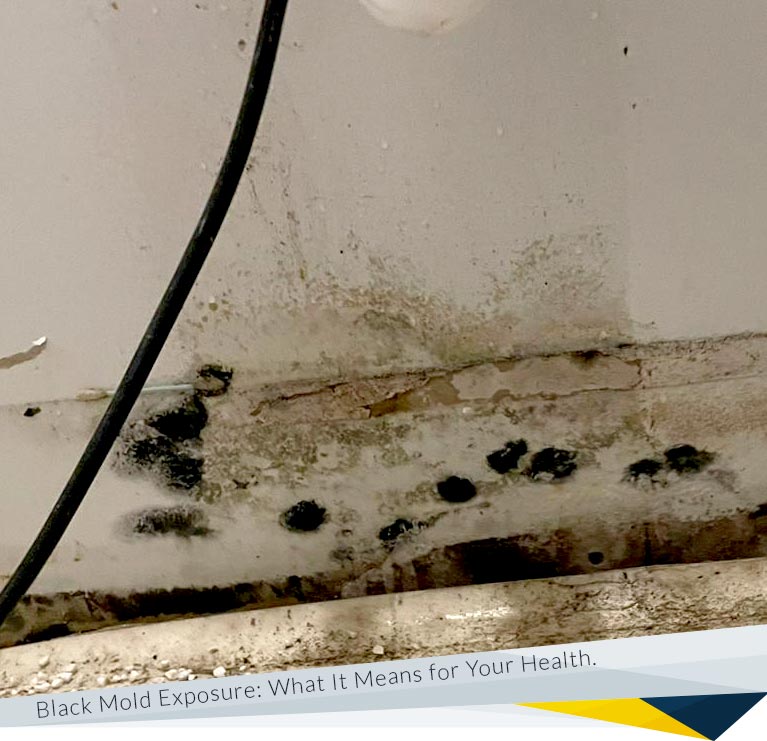
Have you ever noticed those odd-looking patches on damp walls? That's mold, a type of fungi that, while intriguing under a microscope, isn't something you'd want in your home. The mere sight can make anyone cringe, especially knowing its potential health risks.
Mold Is A Disease Of the 21st Century
Here's a fact: Mold has been on Earth way longer than we have - over 200 million years, to be exact! They come in all shapes, sizes, and colors. From black to pink and everything in between, molds might appear as fluffy patches, sleek films, or even powdery specks.
And with insulating homes to keep them cozy, it seems like mold can find a comfy spot to settle in and grow, especially if there is reduced ventilation, too. Not the best houseguest, right?
Dangers of Black Mold
Black mold, scientifically known as Stachybotrys chartarum, can pose numerous health risks:
Sneaky Allergic Reactions: Not usually an allergy sufferer? Black mold might change that. It can bring on the full ensemble - sneezing, itching, skin irritation, and the classic runny nose.
Asthma's Worst Enemy: For those with asthma, black mold is like that one relative who always stirs up drama. It can cause wheezing, make breathing tough, and leave you with a feeling of tightness in the chest.
Respiratory Challenges - Not Just for the Sensitive: Black mold doesn't discriminate. While kids, seniors, and folks with weakened immune systems are at a higher risk, it can leave anyone coughing, wheezing, and gasping for air.
More Than Just Sniffles: There's more to black mold than just respiratory woes. It's also linked to headaches, sore throats, feeling wiped out, and even fevers.

Long-Term Effects of Mold Exposure
Dealing with mold isn't just a short-term gig; sometimes, it's more like a marathon. Even if you don't feel the effects right away, especially with those sneaky toxic types, the aftermath can creep up over time.
Say you've bid farewell to mold (hooray!) or moved to a mold-free zone. Don't be surprised if you still feel like mold's shadow is lingering. Extended exposure can play tricks on your mind, making concentrating, decision-making, or even recalling what you had for lunch a bit of a puzzle.
Mold isn't just about sneezes and coughs; it can take a toll on your emotions too. You might find yourself feeling a bit out of sorts, edgy, or even down in the dumps. And if your body's been on high alert fighting off mold, fatigue can become your new unwanted buddy, especially for those with allergies or asthma.
Don't forget, mold loves to pick on your lungs. So, even when you think you've left mold in the dust, those breathing troubles might stick around like a bad habit.
Is It Only Black Mold That Can Affect Health?
While many worry about black mold, other mold types can be sneaky health culprits too. Take Aspergillus, often lurking indoors, which might give some folks lung issues or allergies. Then there's Cladosporium, hiding in damp spots or air systems, causing breathing troubles and itchy skin. Penicillium, sprouting on wet surfaces, might flare up allergies or infections. Alternaria can be a trigger for asthma, and Fusarium, found in soggy buildings, might irritate the skin or cause allergic reactions. So, it's a good habit to keep spaces dry and airy. And if you spot any mold, call our mold remediation service in Plainfield, NJ, no matter its color or name.
Preventing Black Mold Exposure
Keeping your home clean and well maintained can help reduce conditions that support black mold growth, but moisture control is the biggest factor. Areas that stay damp, humid, or affected by leaks and water damage are more likely to develop mold problems over time. Regularly checking for musty odors, discoloration, condensation, or other signs of moisture can help you catch issues earlier. If black mold is found, professional mold remediation may be needed to address the affected area properly and reduce the chance of it returning.
Post Black Mold Exposure Steps
Here are some additional tips for protecting your health after black mold exposure from our Plainfield specialists:
- Avoid spending time in areas where black mold is present.
- Wear a respirator or mask if you must be in an area where black mold is present.
- Keep your home clean and dry.
- Fix any leaks or water damage promptly.
- Inspect your home regularly for signs of mold growth.
- If you have any concerns about black mold exposure, please contact a healthcare professional or a mold removal company, like FDP Mold Remediation.
Get in Touch with FDP Mold Remediation of Plainfield
For mold issues in Plainfield, NJ, and nearby regions, call FDP Mold Remediation of Plainfield at 877-421-2614. They are professional mold remediation and mold removal experts, offering free consultations and guiding you towards a mold-free environment. Discover the best mold restoration company to ensure your home is mold-free.