
Mold After Water Damage: What Homeowners Should Know
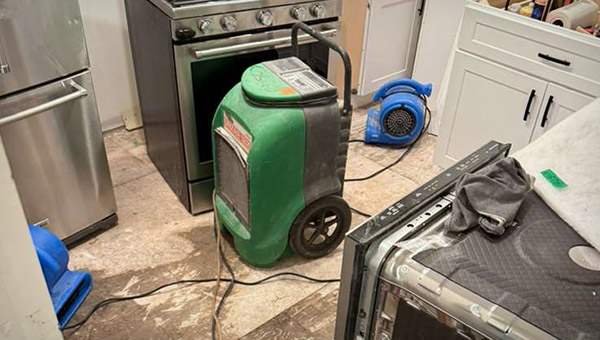
Water damage usually leaves an obvious mess behind. You might notice a ceiling stain, lifting floorboards, or a damp smell that lingers longer than it should. But visible damage is only part of the issue. The bigger concern is often the moisture that soaks into materials and stays there.
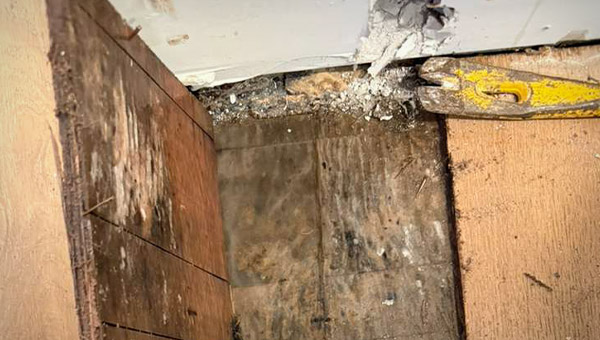
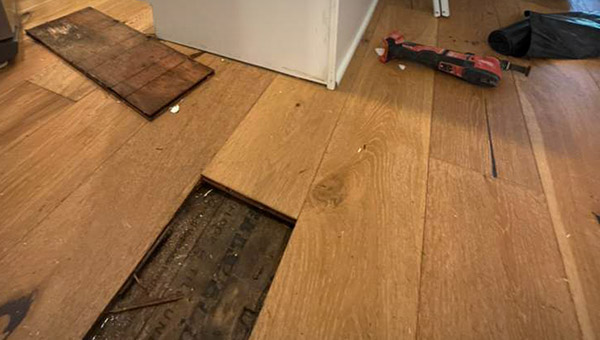
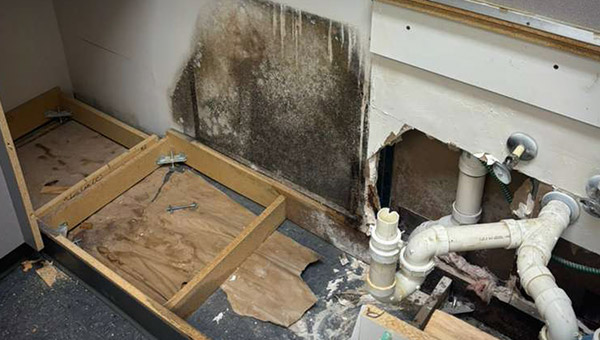
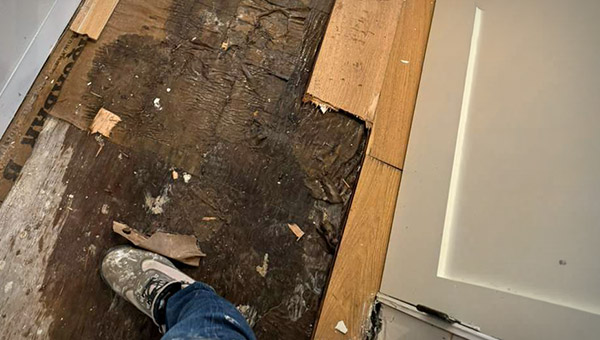
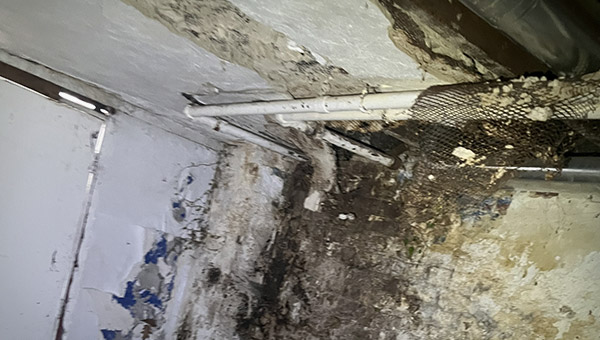
Mold after water damage can show up on visible surfaces, but it can also develop behind drywall, under flooring, around cabinets, near HVAC pathways, and in other damp parts of the home. That is why it remains such a common concern after indoor water damage: a room may look mostly normal again while moisture is still trapped out of sight.
In this article, we explain why mold can develop after water damage, how quickly it can become a concern, what signs to watch for, where it often shows up, and when it makes sense to look more closely.