Maintaining the ideal indoor humidity in your home is more than just a comfort concern - it's essential for your family's health and the longevity of your house. Many people wonder, "What should the humidity be in my house?" or "What is a good indoor humidity level?"
Let's explore why humidity in the house matters so much, what the normal humidity in a house should be, and how to monitor and control your home humidity levels effectively year-round.
The answer, backed by experts, is that indoor humidity levels should generally be kept around 30% to 50% relative humidity (RH). In this range, the air isn't too dry or too moist, striking a healthy balance.
In addition, maintaining RH below 60% is critical to preventing the growth of many types of mold and dust mites above this threshold. On the other hand, humidity levels well below 30% can dry out our skin, respiratory tract, and even furniture.
By keeping indoor humidity levels in the sweet spot, you can:
Next, we'll dive into exactly what can go wrong outside this range - and why maintaining the humidity level in your house is so essential.

One of the biggest reasons to mind your home's humidity is the effect on your family's health. Both excess humidity and excess dryness can cause issues:
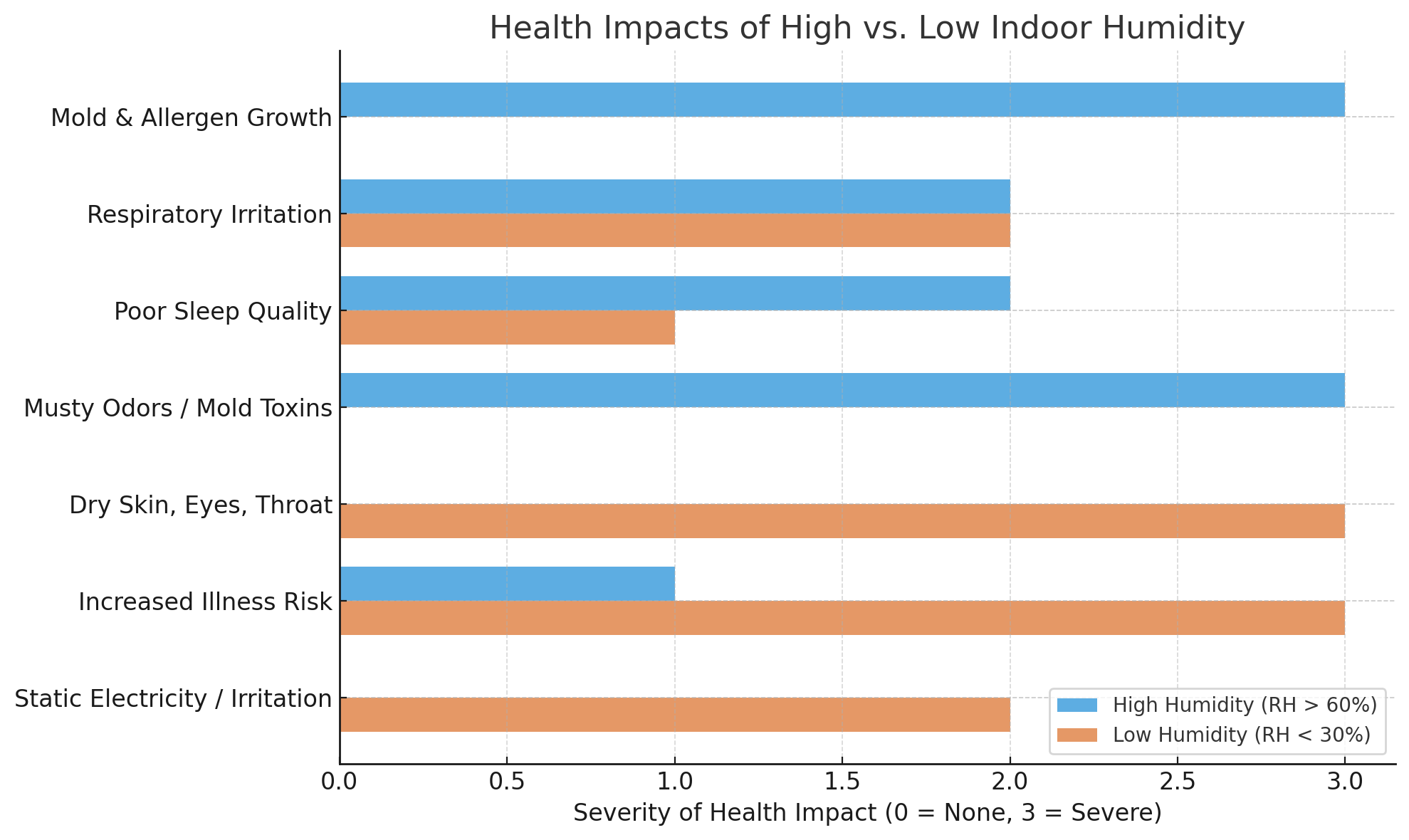
If you find you or your family suffer more allergies, colds, or skin problems at one time of year, it could be related to a humidity imbalance in the home.
Beyond health, humidity also quietly impacts your home's structural safety and furnishings. Both high and low humidity can cause damage in different ways.
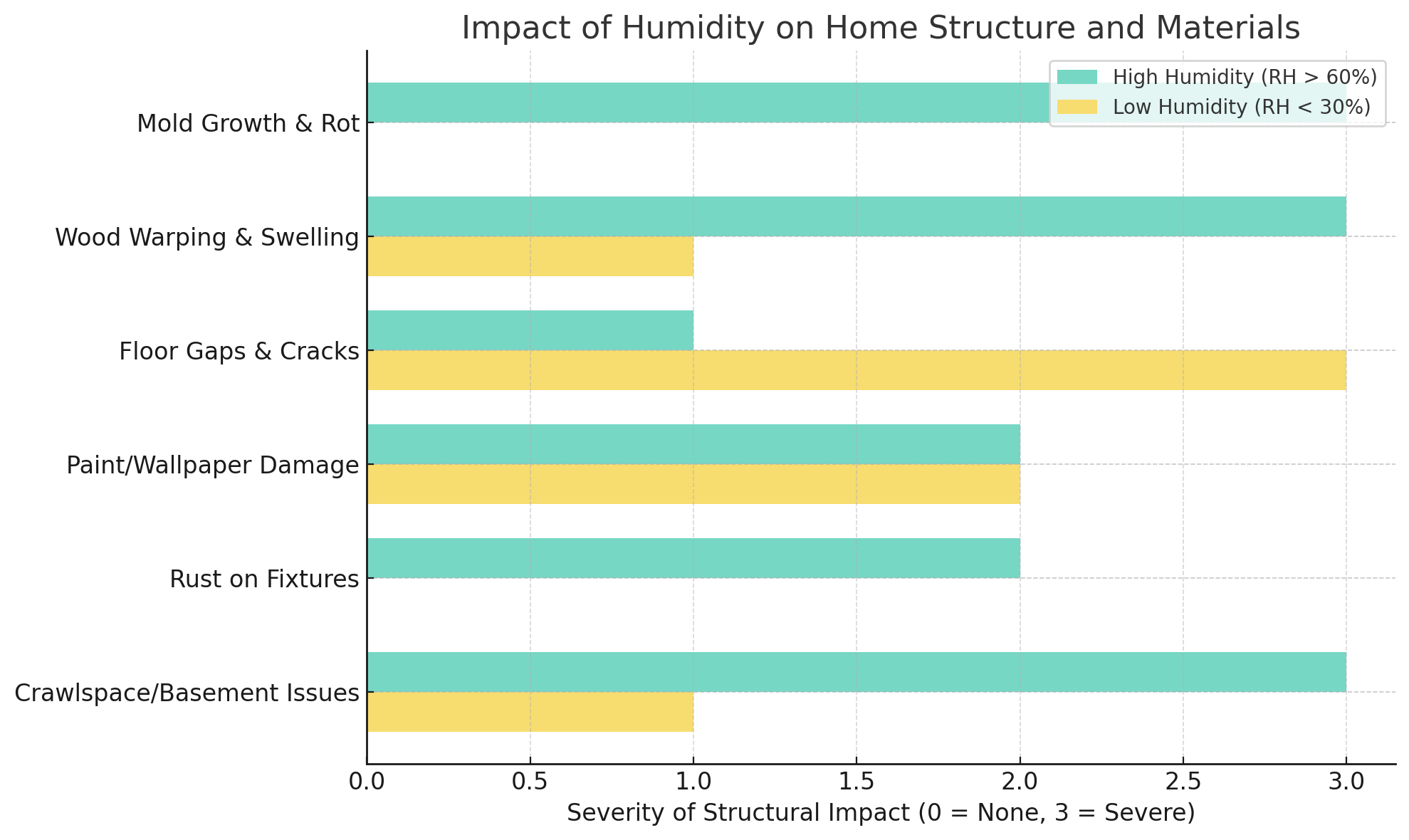
As mentioned, sustained high humidity can lead to mold growth on ceilings, walls, or inside HVAC ducts. Mold can eat away at wood, drywall, and carpets over time, leading to structural decay. In addition, persistent condensation on windows or pipes can seep into wood framing, leading to rot, warping, or rust on nearby fixtures.
Moisture also causes wood floors and doors to swell, resulting in cupping, buckling, or sticking. When the air later dries, materials may shrink unevenly, leaving permanent cracks.
Low humidity is often a winter issue that dries out wood, drywall, and even textiles. Floors may separate, trim can pull from the walls, and furniture joints might loosen. Musical instruments, artwork, and antiques are also at risk.
You can't manage what you don't measure. Fortunately, it's easy and inexpensive to monitor indoor humidity levels in your home.
A hygrometer is a gadget that measures humidity. You can find simple digital or analog hygrometers at hardware stores for as little as $10-$20. Many modern thermometers for indoor use include humidity readouts as well.
By placing a few hygrometers around the house (for example, one in the living area, one in a bedroom, one in the basement), you can keep an eye on each room's humidity. Check them especially during the driest part of winter and the most humid days of summer to see if you're staying in the optimal range.
If you have a smart home system or a newer thermostat, you might already have humidity sensors built in. Smart thermostats often display indoor humidity and can even send alerts if levels drift too high or low. There are also standalone Wi-Fi humidity sensors you can place in a room; these can notify your phone if, say, the humidity level in the house goes above 60% in the summer or below 30% in the winter.
Some homes have humidistats integrated into the HVAC system. A humidistat works like a thermostat, but for moisture. You set a desired RH (e.g., 45%), and the system will turn on a humidifier or dehumidifier to achieve that.
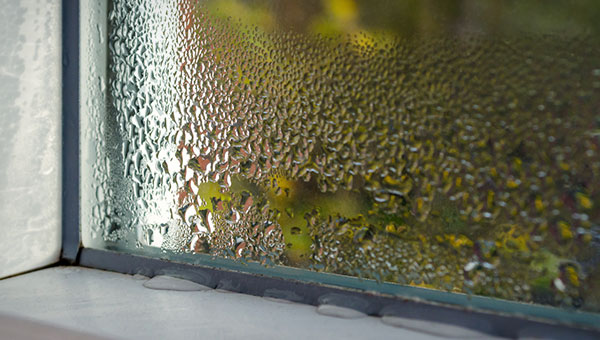
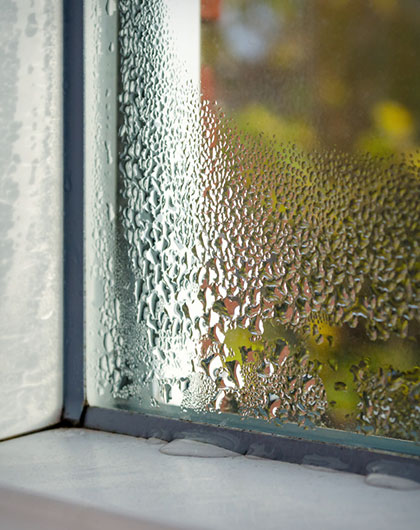
Condensation on windows clearly indicates high humidity, especially during winter. Likewise, static shocks and wilting houseplants can suggest the air is too dry. Watch for these signs. If you notice or feel them, check your hygrometer and then take appropriate steps (which we'll discuss next).
By regularly monitoring, you can catch humidity problems early. It's far easier to adjust your indoor humidity before extreme mold or damage occurs. Think of a humidity monitor as a smoke alarm for moisture as a small investment that can save a lot of trouble.
Your ideal indoor humidity needs can change with the seasons and your local climate. What's "just right" in one season might be problematic in another. Let's break down a few scenarios to understand how regional weather patterns influence indoor humidity control and mold growth across the U.S. climates, helping you prevent moisture problems before they start.
In cold climates, heated indoor air becomes very dry, often dropping below 20% RH in mid-winter. In regions like Minnesota or upstate New York, managing winter humidity is a seasonal challenge, enough to prevent dry skin and nosebleeds, but not so much that moisture collects on cold surfaces.
In hot, humid regions like Florida, Louisiana, or the coastal Carolinas, excess moisture is a year-round concern. Outdoor humidity often reaches 70-90%, and without proper control, indoor air can rise well above the safe zone.
For a deeper look at how regional humidity affects indoor air quality and what steps you can take to manage it, see our full article on Mold Challenges in Humid Climates.
In arid areas like Arizona, Nevada, or high-altitude regions, humidity is often under 20%, making indoor air extremely dry without added moisture. While mold in dry climates is rare, the lack of humidity can lead to dry skin, irritated sinuses, and cracked wood furnishings. Many residents use humidifiers or evaporative coolers to raise indoor humidity into the balanced zone.
Many areas experience both ends of the spectrum throughout the year - cold, dry winters and hot, humid summers. In these regions, you'll be switching between humidification and dehumidification seasonally.
The Pacific Northwest has a twist: it's mild but very damp for much of the year - homes there might not have air conditioning if temperatures stay cool, yet the constant rain can keep humidity high.
No matter where you live, it's wise to consider climate-specific mold prevention strategies. If a sudden cold front hits, double-check that your humidifier isn't causing window condensation. If a tropical rainy spell occurs, consider increasing the dehumidifier setting or running the AC a bit more.
Maintaining indoor humidity between 30-50% is a simple but powerful way to improve comfort, reduce allergens, and protect your home. Moisture may be invisible, but its impact is undeniable - on your air, your sleep, and your walls and floors.
If you're unsure about your home's humidity or concerned about mold, FDP Mold Remediation offers expert assessments and solutions to help restore balance. With the right tools and guidance, you can enjoy a healthier, safer indoor environment year-round.
Reach out to our team today for expert humidity evaluation and mold prevention support you can trust.