How to Tell If Wood Has Mold or Mildew
Mold and mildew on wood can be dangerous even when you can't see them. Finding the signs that they are there is very important for effective management. Here are the most important signs to look out for:
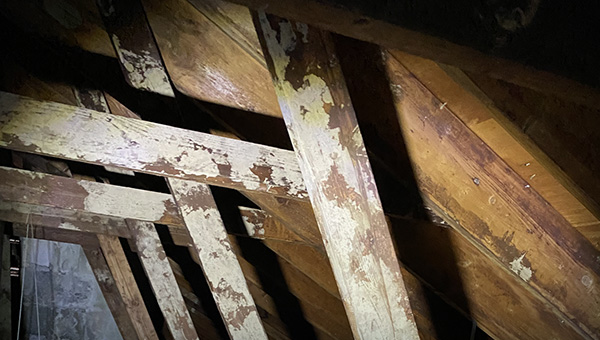
Discoloration: A change in the color of the wood is one of the most common signs. This could show up as black or dark green spots, white spots, or a light grayish tint. If you see any of these signs, you can be sure that mold or mildew is growing.
Musty Smell: Wood that has mold or mildew on it often smells musty and earthy. If you smell something bad that you can't put down to anything else, it could be mold that's hiding.
Surface Irregularities: As mold and mildew colonies grow, they can change the surface of the wood. These flaws can show up on the wood as raised or rough spots.
Allergic Reactions: People who are allergic to mold may have allergic reactions when they come into contact with mold and mildew on wood. Some signs are sneezing, coughing, spots on the skin, and itchy eyes.
Finding problems quickly and taking the right steps are very important for keeping your wooden surfaces safe and stopping further damage.