If you are dealing with visible mold growth, recurring moisture, or building materials that have stayed damp, a controlled remediation process may be the right next step. At FDP Mold Remediation, we provide removal and remediation for residential and commercial properties. Projects begin with a visual and moisture assessment to define the work area, then proceed with containment, HEPA filtration, and physical removal based on the agreed scope.
Call 877-421-2614 to schedule an on-site assessment. Final scope and pricing are confirmed after an in-person evaluation.
Not sure where your situation fits? A short discussion can help clarify the scope: 877-421-2614.
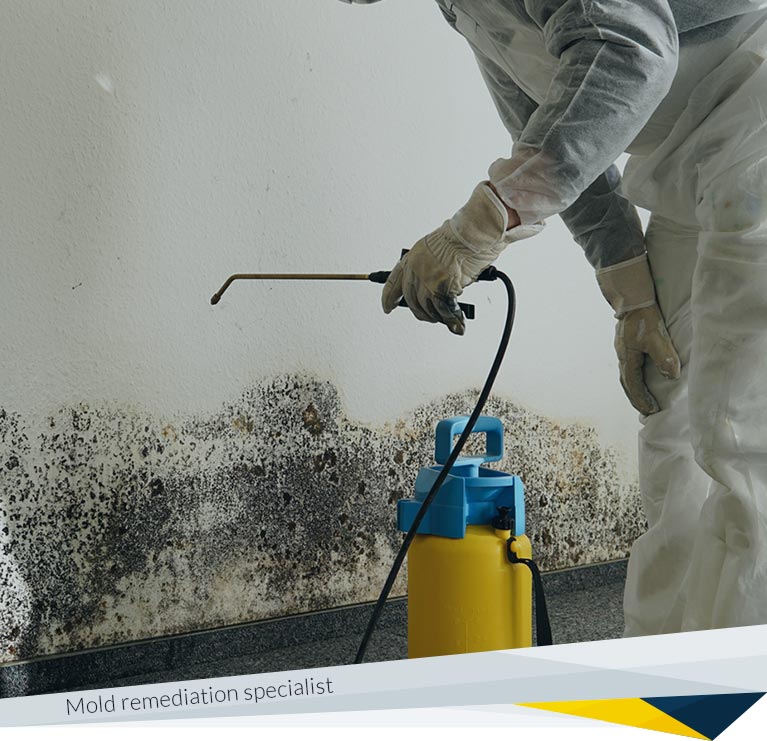
We follow a consistent mold remediation process informed by ANSI/IICRC S520 principles to keep the work controlled and predictable. The exact steps and equipment depend on the materials involved, access, and the agreed scope.
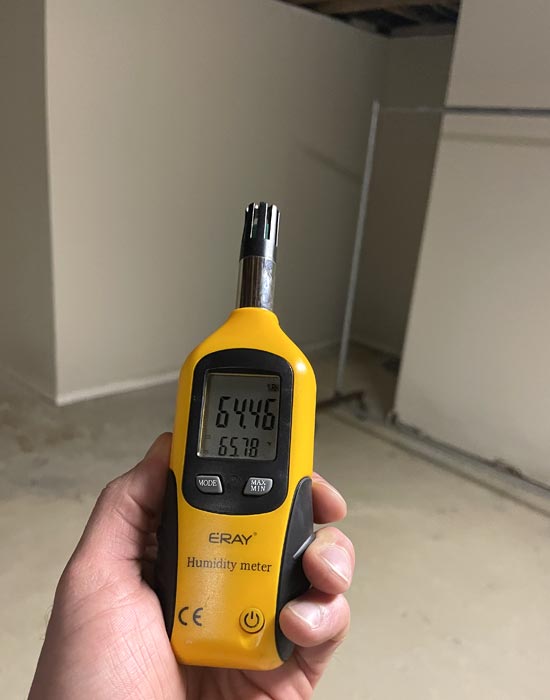
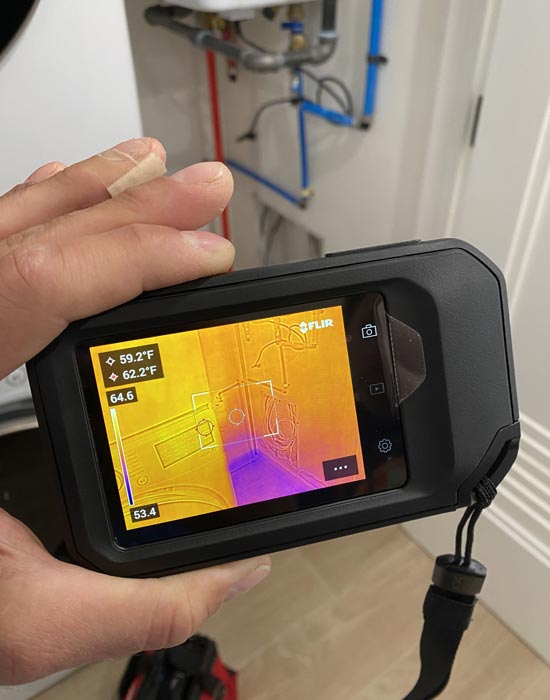
We begin with a visual assessment of accessible areas and document visible conditions and moisture readings. Based on what can be observed and accessed, we outline a written scope of work that defines the remediation approach. If additional diagnostics or sampling may be helpful for documentation, we can recommend them, but they are not included unless explicitly added.
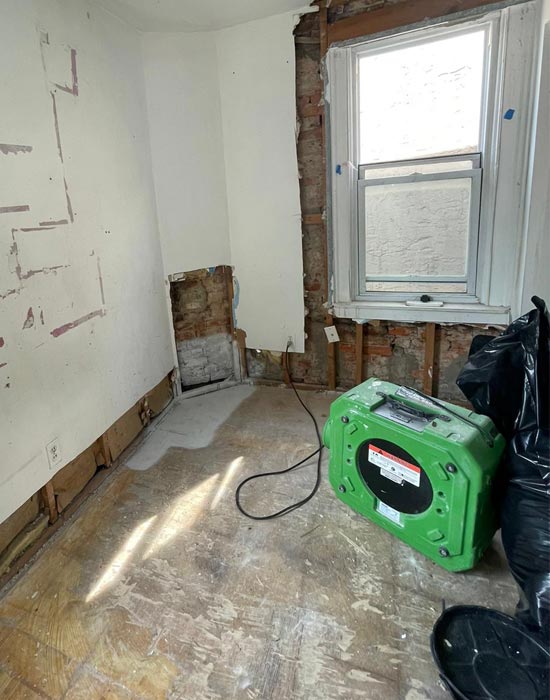
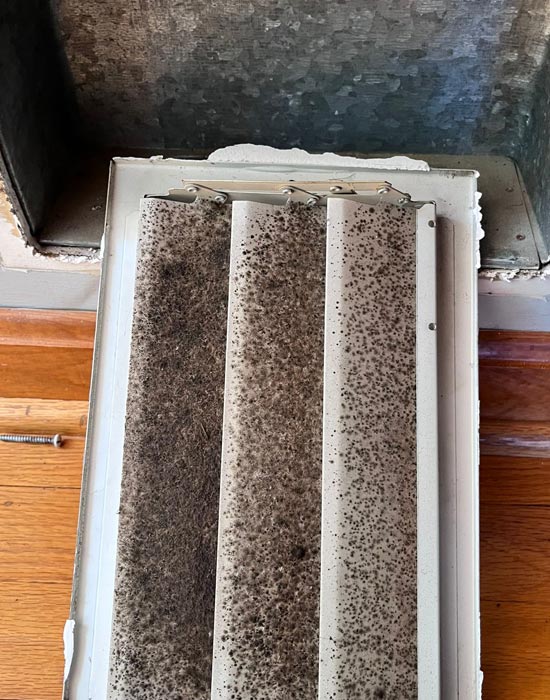
The work area is isolated using containment barriers to help limit the movement of dust and debris. When needed, we install critical barriers and temporarily seal vents, returns, or openings within the work area strictly as a containment measure. Equipment is staged within the contained zone based on layout and access.
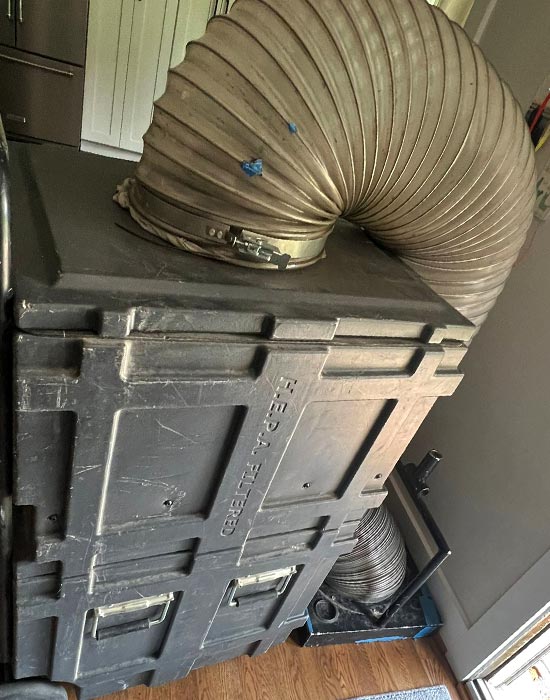
HEPA-filtered air scrubbers are used to support controlled work practices during remediation. Negative air pressure is established and monitored when appropriate for the size and location of the work area. Humidity conditions may be monitored within the contained zone when drying is part of the scope.
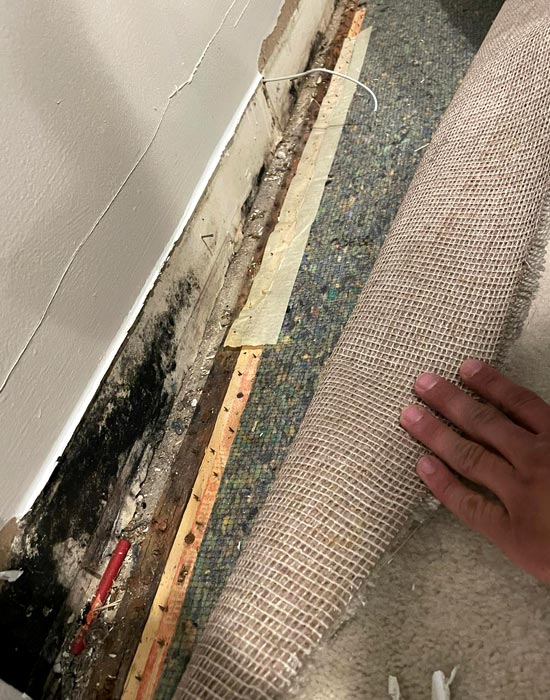
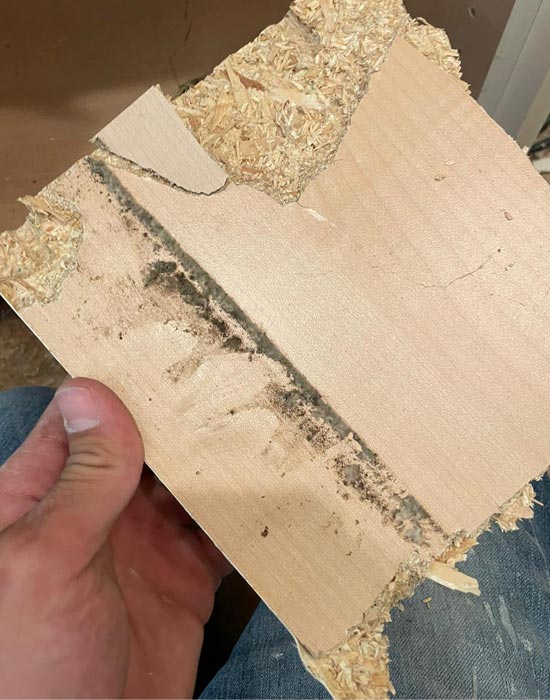
When required, impacted porous materials such as drywall, insulation, or carpet padding are removed and disposed of using controlled handling practices. HEPA vacuuming is used during active work, and mechanical cleaning methods such as wire brushing or sanding may be performed on appropriate semi-porous surfaces within the defined scope.
Remaining surfaces within the work area are cleaned using HEPA vacuuming and damp wiping methods appropriate to the material. In some cases, an EPA-registered antimicrobial product may be applied to suitable surfaces as part of the cleaning step, in accordance with label directions. This application does not replace physical removal and detailed cleaning.
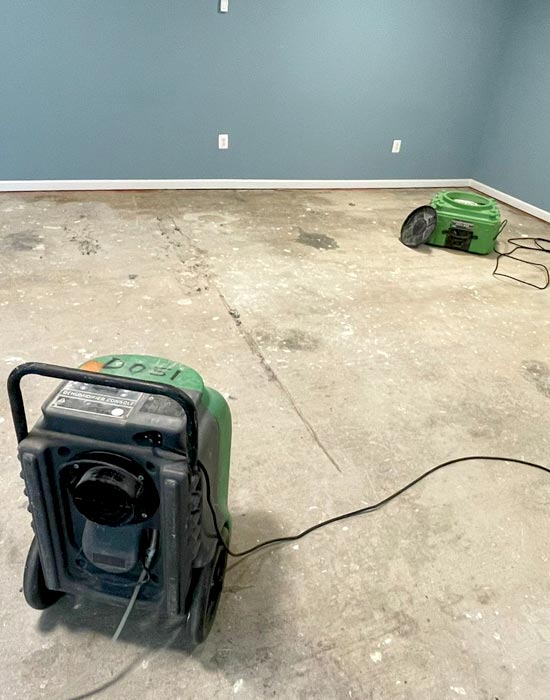
When needed, we use dehumidifiers and targeted drying within the work area to bring materials closer to normal moisture levels. Drying is limited to the remediation zone and does not include full structural drying services. Observed moisture conditions may be noted for follow-up by other trades.
After remediation is complete, we conduct a walkthrough of the work area and review what was removed and cleaned. Documentation of the work performed is provided, along with any relevant observations. If independent post-remediation verification or clearance testing is required by a stakeholder, it is typically arranged separately.
After remediation is complete, we review the finished work area and, when repairs or restoration are available and included in the approved scope, handle the next phase to help get the space back to usable condition.
Note: Repair and restoration options may be available for certain projects. Availability is confirmed during the assessment and depends on the property, materials, and local crew coverage.
Mold remediation pricing depends on scope and site conditions. We do not publish fixed quotes online because the size of the affected area, the materials involved, and containment requirements can vary widely from one property to the next.
| Factor | Why it matters |
|---|---|
| Affected area size | More square footage typically increases containment, removal, and cleanup requirements. |
| Material removal needs | Some porous materials may require removal rather than surface cleaning. |
| Containment complexity | Multi-room work zones, stairwells, and occupied spaces can increase setup needs. |
| Access constraints | Tight crawl spaces, limited attic access, or dense content can change labor and staging. |
| Contents protection | Protecting furniture, storage, inventory, or equipment may add time and handling steps. |
Many projects can be completed in a short window, but timing varies by scope and site conditions. Related cost and timing factors are outlined in our Mold Remediation Cost Guide for additional context.
We work in single-family homes, townhomes, condos, apartments, and rental properties. Residential projects often involve enclosed spaces and moisture patterns that may affect drywall, framing, and stored contents.
We support offices, retail spaces, multi-unit buildings, and commercial properties. Commercial scopes are planned around access, containment needs, and keeping the work area controlled for occupants, tenants, or operations.
Note: Mold conditions can reappear if moisture drivers continue. Remediation addresses affected materials and visible conditions within the scope of work, but long-term moisture corrections (leaks, drainage, ventilation changes, or humidity control) must be handled separately.
Not sure about your situation? You can discuss your space, access, and visible conditions with our team to help determine the appropriate next steps: 877-421-2614.
After remediation, the next priorities are usually moisture control and repairs completed by others. If a leak, drainage issue, or ventilation imbalance continues, indoor conditions may allow mold to reappear over time. During the walkthrough, we note any moisture patterns observed so you can decide what to address next with the appropriate trade or property maintenance team.
If you are seeing visible growth or suspect mold in one area, the goal is simple: avoid spreading debris, avoid disturbing materials, and address active moisture if it is safe to do so. These steps are general and may not fit in every situation.
If you have standing water, electrical hazards, or an active leak you cannot safely control, prioritize safety and call the appropriate trade or emergency service. For suspected mold conditions, an on-site assessment helps define the scope and the right next steps.
If you are not sure what you are looking at, photos can help us understand the visible conditions and discuss the next steps. Photos may support a preliminary range, but final scope and pricing are confirmed after an on-site assessment.
Not sure what you are seeing? Photos can help start the conversation. Use the contact form to upload photos and request an on-site assessment.
We provide residential and commercial mold remediation services across our local coverage areas. If you are nearby and not sure if your address is within range, call and we will confirm availability.
Service availability may vary by crew coverage and scheduling. An on-site assessment is typically required to confirm scope and provide a written estimate.
If you are outside these areas, ask anyway: 877-421-2614. We can confirm coverage or suggest a practical next step.
Containment is the setup used to isolate the work area during removal and cleanup. It may include barrier walls, sealed vents, and negative air pressure when appropriate, depending on layout and scope.
We focus on mold inspection (visual and moisture assessment), mold removal, and mold remediation. We deal with water damage restoration as it pertains to mold prevention and mold treatment.
No. Mold conditions can reappear if moisture drivers continue. We focus on containment, physical removal, and documented cleanup within the agreed scope of work.
We provide documentation of work performed and a post-work walkthrough. If independent post-remediation verification is required, it is typically arranged separately and is not guaranteed.
Sometimes, depending on the work area and schedule. During the assessment, we can discuss practical options based on access, containment needs, and the type of space.
If possible, clear access to the affected area, secure pets, and avoid disturbing visible growth. If there is an active leak or standing water, that issue should be addressed before remediation begins.
Discuss what you are seeing with a remediation specialist and determine whether remediation is appropriate for your situation. Call us today at 877-421-2614.