December 2021
Mold Inspection Before Mold Remediation: Required or Not?
Around 70% of households struggle with mold every day. At some point, home and business owners have to contemplate whether to opt for mold remediation services immediately or start with an inspection. The reality is that either way can work in your favor; it all depends on the situation at hand.
Most building owners assume that only natural disasters like tornadoes, hurricanes, and floods can cause mold to grow. Here's the thing: any moisture problem or water damage can contribute to mold growth. In case of leakages, spills, dampness, humidity from heaters, and poor ventilation, expect mold proliferation. And that exposes your basement, drywall, upholstery, plumbing areas, and kitchen to mold problems.
If you can see or smell mold, removal comes in handy. Interestingly, not all mold is easily detected with the naked eye. Such mold ends up causing gradual harm to your loved ones and property without you knowing of its existence. Let's have a look at whether your home needs mold inspection and the role of inspection before mold remediation.
Is Mold Inspection Always Needed?
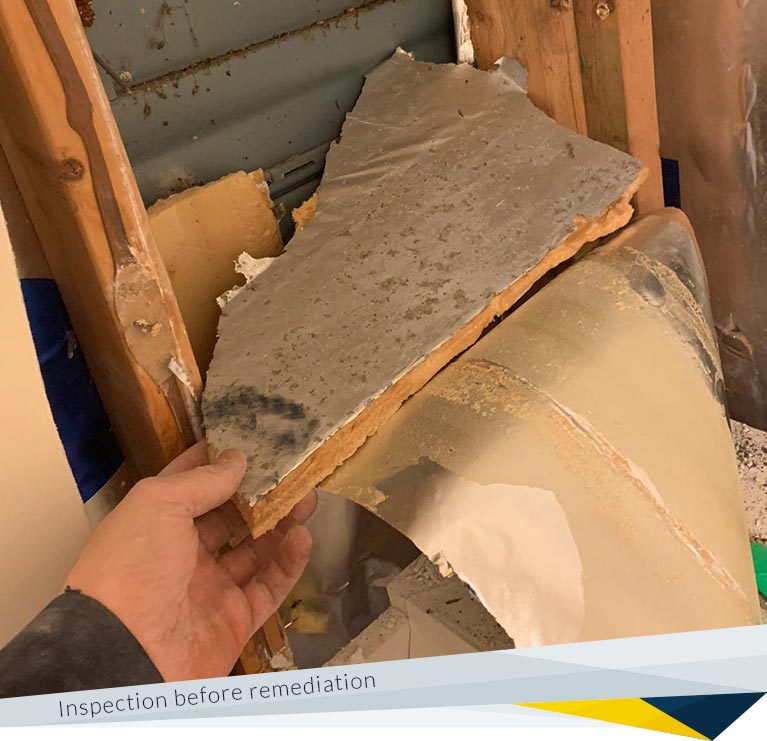
Mold inspection plays an important role in determining the existence of mold and the scope of the work required for mold remediation. When you first notice mold, you may wish to call in mold inspectors for inspection and possibly even for testing. If there are visible signs of mold, a mold inspection may not be needed before mold remediation. If there are concerns about mold without clear signs, mold testing can help determine the mold extent and type. This will help confirm if mold remediation is necessary.
Once mold is confirmed, you should act fast. Its very presence compromises your safety and the beauty of your building. The next reasonable step is immediate mold removal. You can quickly eliminate the black mold and other fungi spores if you go for a professional mold remediation service.
Does the Mold Testing Method Used Matter for Mold Remediation?
The testing and inspections methods used initially depend on what works best for your situation, convenience, cost, and technical limitations. The good thing is you can inspect your premise visually. But when it comes to scientific mold testing, different techniques apply. They include:
- Mold testing kits for DIY mold testing.
- Surface sampling for qualitative mold analysis.
- Non-viable air testing methods like swabs to spot any mold.
- Viable air testing method (air sampling) for identifying mold and related species.
If testing shows that there is mold, it's recommended to hire professional mold remediation services. Experts will know the proper mold removal techniques have a successful mold cleanup.