
Can Mold Exposure Affect Your Eyes? Here's What You Need to Know

Can Mold Exposure Affect Your Eyes? Here's What You Need to Know

Are your eyes red, itchy, or unusually sensitive to light? You might be surprised to learn that mold exposure could be the hidden cause. Mold spores and mycotoxins can irritate the delicate tissues of the eyes, leading to a range of symptoms, from mild discomfort to serious vision problems. In some cases, prolonged exposure to toxic black mold can even result in blurry vision, eye inflammation, or permanent eye damage.

At FDP Mold Remediation, we've seen firsthand how indoor mold can impact not just your home, but your health. If you're experiencing unexplained eye irritation, light sensitivity, or watery eyes, it's time to consider whether mold might be the culprit. Our certified mold specialists are here to help you identify the source and eliminate it, safely and effectively.

What Are Mold-Related Eye Problems?

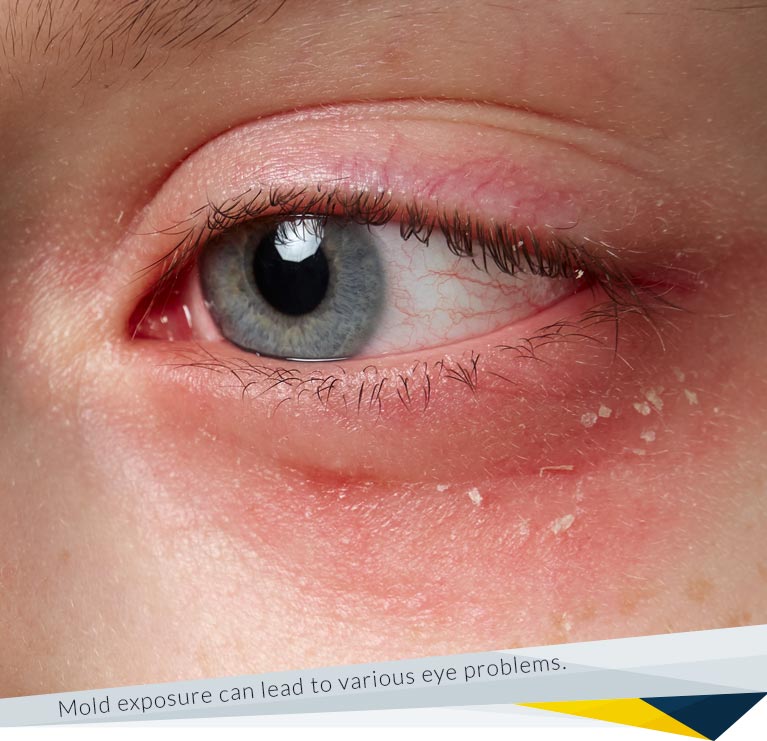
Mold exposure doesn't just affect your lungs or skin, it can also have a serious impact on your eyes. When mold spores or mycotoxins become airborne, they can enter the body through the eyes, irritating sensitive tissues and triggering a range of symptoms. These reactions are especially common in environments with poor ventilation, high humidity, or hidden mold growth.

Toxic black mold (Stachybotrys chartarum) is particularly harmful, as it releases mycotoxins that are cytotoxic, meaning they can damage living cells, including those in your eyes. Once exposed, you may experience anything from mild eye irritation to more severe conditions like blurry vision, eye inflammation, or even vision loss.

The eyes are highly sensitive to environmental irritants, and mold spores can cause inflammation of the mucous membranes, leading to symptoms that often mimic seasonal allergies. However, unlike pollen or dust, mold-related eye symptoms typically persist until the source of the mold is removed.

If you've been spending time in a mold-contaminated space, especially sleeping in a moldy room or working in a damp building, you may be at risk for mold-related eye problems. Recognizing the signs early can help prevent long-term damage and guide you toward the right treatment and remediation.

Can Mold Exposure Affect Your Eyes? Here's What You Need to Know
IICRC Certified
EPA Certified
Need An Estimate?
Call for a free phone consultation with one of our mold remediation experts.
Get All Mold Related Answers Found Mold?? Don't Wait!
Your satisfaction is guaranteed on every job.
 

Common Eye Symptoms Caused by Mold Exposure

When mold spores come into contact with your eyes, they can trigger a range of symptoms, some mild, others more serious. These symptoms often resemble seasonal allergies, but unlike pollen or dust, mold-related eye issues typically persist until the mold is removed from your environment.

Here are the most common eye symptoms linked to mold exposure:

Red or Bloodshot Eyes

One of the earliest signs of mold-related irritation is redness in the whites of the eyes. This occurs when mold spores cause inflammation of the conjunctiva, the thin membrane covering the eye. If your eyes appear bloodshot and feel irritated, mold could be a contributing factor.

Itchy, Burning, or Gritty Sensation

Mold exposure often causes the eyes to feel itchy, dry, or as if there's sand or grit in them. This is a common allergic response to airborne mold spores and can worsen in moldy environments like damp basements or poorly ventilated bathrooms.

Watery or Excessive Eye Discharge

Excessive tearing or sticky discharge can be a sign of mold-related conjunctivitis. This symptom may be mistaken for a viral or bacterial infection, but if it persists without improvement, mold could be the underlying cause.

Light Sensitivity (Photophobia)

Some individuals exposed to mold report increased sensitivity to light. This can be a sign of inflammation in deeper parts of the eye and may indicate a more serious condition like keratitis or endophthalmitis.

Blurry Vision or Visual Disturbances

In more severe cases, mold exposure can lead to blurry vision or difficulty focusing. This may result from inflammation of the cornea or other internal eye structures and should be evaluated by a medical professional immediately.


Eye Conditions Caused by Mold Exposure

While mild symptoms like redness or itching are common, prolonged or high-level exposure to mold, especially toxic black mold, can lead to more serious eye conditions. These conditions may require medical treatment and, in some cases, can result in permanent vision damage if left unaddressed.

Allergic Conjunctivitis (Mold-Induced Pink Eye)

Mold is a known environmental trigger for allergic conjunctivitis, a non-contagious form of pink eye caused by allergens like mold spores. This condition results in red, itchy, watery eyes and may be accompanied by swelling and light sensitivity. Unlike bacterial or viral conjunctivitis, allergic conjunctivitis persists as long as the allergen remains in the environment.

Keratitis (Corneal Inflammation)

Keratitis is an inflammation of the cornea that can be caused by mold spores entering the eye. This condition may lead to eye pain, blurred vision, and light sensitivity, and in severe cases, it can result in corneal scarring or vision loss. If not treated promptly, a corneal transplant may be required.

Endophthalmitis

This rare but serious condition involves inflammation inside the eye, particularly in the fluid-filled spaces. Mold-related endophthalmitis can cause severe pain, swelling, and rapid vision deterioration. It is considered a medical emergency and requires immediate treatment.

Rhinocerebral Mucormycosis

This aggressive fungal infection can affect the sinuses, eyes, and brain. It is more common in immunocompromised individuals and may cause eye swelling, facial pain, vision loss, and even neurological symptoms. Mold exposure in damp, poorly ventilated environments is a known risk factor.


When Should You See a Doctor for Mold-Related Eye Symptoms?

If you're experiencing persistent or worsening eye symptoms, especially after spending time in a damp, musty, or moldy environment, it's important to take them seriously. While mild irritation may seem harmless, mold exposure can lead to more serious eye conditions if left untreated.

You should see a doctor if you notice:

  • Ongoing redness, itching, or burning in your eyes
  • Blurry vision or difficulty focusing
  • Light sensitivity that interferes with daily activities
  • Eye discharge that doesn't improve with over-the-counter treatments
  • Recurrent or unexplained pink eye (conjunctivitis)
  • Any signs of vision loss, even if temporary

These symptoms may indicate an allergic reaction, fungal infection, or inflammation caused by mold spores or mycotoxins. Individuals with asthma, allergies, or weakened immune systems are especially vulnerable and should seek medical attention promptly.

Even if your symptoms are mild, they could be a sign of a larger issue, especially if they persist despite treatment. A healthcare provider can help determine whether mold is the root cause and recommend appropriate care. At the same time, addressing the mold source in your home or workplace is essential to prevent further exposure.


How FDP Mold Remediation Can Help Protect Your Eyes and Health

If you're experiencing eye irritation, blurry vision, or other symptoms that could be linked to mold exposure, removing the source of the problem is just as important as treating the symptoms. At FDP Mold Remediation, we specialize in identifying and eliminating mold from homes and businesses, safely, thoroughly, and with long-term prevention in mind.

Our certified mold remediation experts use advanced tools to detect hidden mold behind walls, under floor, and in HVAC (heating, ventilation, and air conditioning) systems - common places where mold spores can circulate and affect your eyes and respiratory system. We follow strict safety protocols and use EPA-approved antimicrobial treatments to ensure your space is not only clean but also safe for your family or employees.

Whether you're dealing with black mold in a damp basement or recurring mold growth in a poorly ventilated bathroom, we tailor our approach to your specific situation. We also offer post-remediation testing to confirm that your indoor air quality is restored and safe.

Your health is our priority. If you suspect mold is affecting your vision or overall well-being, don't wait. Let our team help you breathe easier - and see more clearly.


Frequently Asked Questions About Mold and Eye Health

Can mold really cause blurry vision?

Yes. Prolonged exposure to mold, especially toxic black mold, can lead to inflammation in the eyes, which may result in blurry vision or difficulty focusing. If your vision changes after spending time in a moldy environment, it's important to seek medical attention and have your home inspected for mold.

How long does it take for mold exposure to affect your eyes?

Some people experience symptoms like red, itchy, or watery eyes within hours of exposure, while others may develop issues over time. The severity and speed of symptoms often depend on the type of mold, the level of exposure, and individual sensitivity.

Will my eye symptoms go away after mold is removed?

In many cases, yes. Once the mold is professionally removed and you're no longer exposed to spores, symptoms like eye irritation and light sensitivity often improve. However, if the exposure was prolonged or severe, medical treatment may still be necessary.

Is black mold more dangerous for your eyes than other types?

Black mold (Stachybotrys chartarum) produces mycotoxins that can be particularly harmful to the eyes and respiratory system. It's known to cause more severe symptoms, including inflammation, blurry vision, and even permanent damage if left untreated.

Can mold exposure cause permanent eye damage?

Yes, in rare but serious cases. Conditions like keratitis or endophthalmitis caused by mold can lead to permanent vision loss if not treated promptly. Early detection and remediation are key to preventing long-term effects.

What should I do if I think mold is causing my eye problems?

Start by consulting a healthcare provider to evaluate your symptoms. Once medical concerns are addressed, the next step is to eliminate potential sources of mold in your environment. FDP Mold Remediation provides certified mold removal and remediation services, helping to safely clear mold from affected areas and reduce the risk of ongoing exposure. Our expert team ensures thorough treatment using industry-approved methods to restore healthy indoor air quality.


<<< Back to Symptoms

24 hour emergency service
highly trained mold remediation technicians
locally owned and operated
a trusted business in the mold remediation industry
Mold Remediation IICRC Certified
Choose fdp mold remediation with confidence
  • IICRC Certified Mold Remediation
  • Rebuild done by licensed contractors
  • Full Service solution, Inspection, Testing, Remediation
  • Clear communication from quote to completion
  • We finish on time and on budget
  • Applied Structural Drying Technician
  • Water Damage Restoration Technician
  • Applied Microbial Remediation Specialist
  • HEPA-Filtration Units
licensed, certified & insured mold remediation specialists
IICRC Certified
EPA Certified