Identifying the Presence of Toxic Black Mold
They say, "Knowing is half the battle". Similarly, identifying the toxic black mold presence could save you half the trouble. So, how do you detect this crafty villain?
Black mold, or Stachybotrys chartarum, is a frequent culprit, and it's got some telltale signs that scream, "It's me!" Let's break down how you can play detective and spot this unwelcome intruder:
The Moldy Scent
Picture this: You walk into a room, and there's a smell that's a cross between old books and wet socks. That musty, mildew-like odor? That's black mold's signature perfume. It's like it's trying to make its presence known through this distinct, earthy aroma that tends to linger in the air.
The Visual Hunt
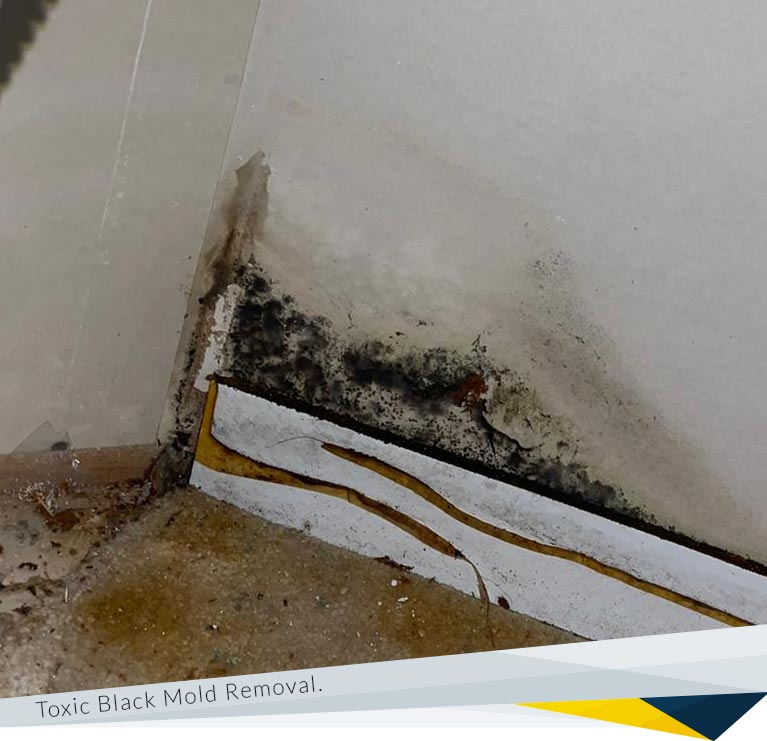
Keep your eyes peeled for dark, blackish-green spots - black mold's version of graffiti. It's fond of damp, humid places, so check out those walls, floors, or ceilings, especially in areas like bathrooms, basements, or under sinks. These spots might start small, but can spread like a poorly drawn map across your surfaces.
Health Symptoms
Ever feel suddenly tired, sneezy, or like you can't catch a breath and can't figure out why? If you can't pin these symptoms on the usual suspects (like the common cold or pollen season), black mold might be your hidden adversary. Allergies, unexplained fatigue, and respiratory issues, especially in a mold-prone environment, could be your body waving a red flag.
Stealthy Spores
Don't forget that black mold spores are like ninjas - they can be airborne and invisible. So, even if you don't see mold, but you've got the odor and symptoms, it's worth investigating further. These spores can hitch a ride on your clothes, pets, or even through your HVAC system, making their way into your living spaces.