What Does Toxic Mold Look and Smell Like?
Identifying Toxic Mold Visually
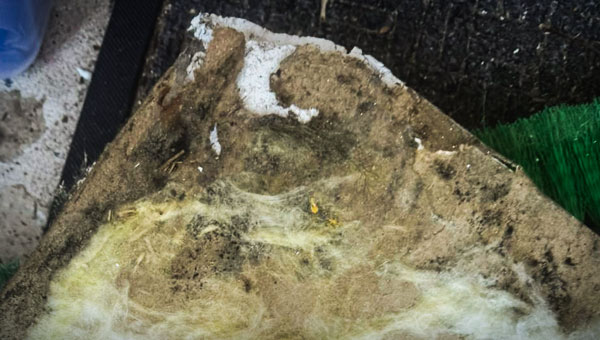
Mold isn't always easy to spot, but toxic varieties often exhibit distinct characteristics. Toxic mold tends to appear in shades of black, dark green, or gray, sometimes with a slimy or powdery texture. Unlike harmless surface mold, toxic mold often penetrates deep into porous materials like drywall and wood, making it harder to remove without professional intervention.
Common places to find toxic mold include damp areas such as basements, attics, bathrooms, and kitchens. It frequently thrives in hidden spaces - behind wallpaper, under flooring, and inside HVAC systems. If you see suspicious discoloration spreading across walls or ceilings, it's time to take action.
However, appearances can be deceiving. Some non-toxic molds mimic the look of toxic strains, which is why professional assessment remains the most reliable way to confirm toxicity.
Recognizing Toxic Mold Odor
Mold doesn't just make itself visible; it makes its presence known through smell. A persistent musty, damp odor is often the first sign of mold growth. Toxic molds, in particular, can emit strong, unpleasant smells resembling rotting wood, dirty socks, or wet cardboard.
If a moldy smell lingers despite cleaning, it's a red flag. Mold can hide within walls and ventilation systems, where it continues to release spores undetected. Relying on scent alone, though, isn't enough. Professional mold inspections use advanced detection methods to locate and identify hidden mold accurately.