Mold is a normal part of our environment, but when it grows indoors where we live or work, it can become a real concern. People often worry about symptoms of mold exposure, how to test mold, and what kind of treatment or remediation they might need.
In this guide, we explain what signs of mold exposure people commonly report, how health professionals may approach diagnosis, what our work as a remediation company actually involves, and how to prevent mold problems in the first place.
This information is educational only and is not medical advice. Only a healthcare professional can diagnose the cause of any symptoms you might have.
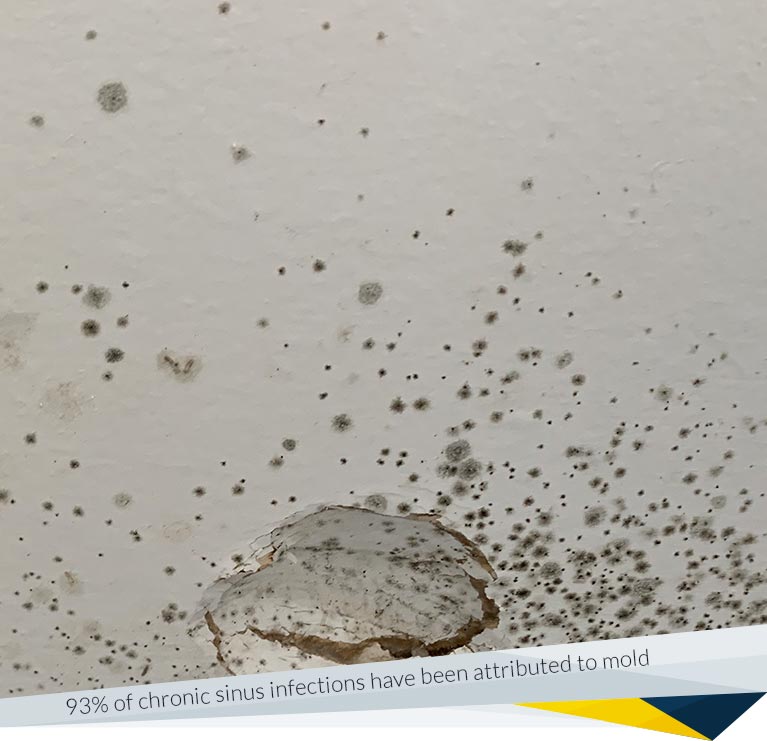
When we talk about mold exposure on this page, we mean spending time in an indoor environment where there is visible mold, strong musty odors, or known moisture problems that can support mold growth.
It is important to separate three related but different ideas:
At FDP Mold Remediation, we focus on the environmental side: finding and fixing indoor mold problems in buildings. We do not diagnose or treat health conditions, and nothing in this article should be used as a substitute for medical care.
People often search for "What are the symptoms of mold exposure?" The reality is that many symptoms people associate with mold are non-specific and can be caused by a wide range of issues, such as seasonal allergies, dust, infections, or other irritants.
Some people who spend long periods in damp, moldy environments describe more persistent problems that they associate with chronic mold exposure or long-term mold exposure symptoms, such as:
Research is still evolving in this area. According to organizations such as the U.S. Centers for Disease Control and Prevention (CDC), damp and moldy environments can contribute to respiratory symptoms, especially in people with asthma or allergies. However, the same symptoms can also have other causes, which is why medical evaluation is so important.
In people who are sensitive or allergic to mold, time spent in a damp or moldy space may be linked with:
These possible signs of mold exposure are very common and are also seen with many other conditions. Their presence does not prove that mold is the cause.
Important: Any list of symptoms of mold exposure is only a starting point for discussion with your doctor. Symptoms alone cannot confirm that mold is behind how you feel.
Many property owners specifically worry about black mold exposure. Some types of molds that appear in black or dark green can produce substances called mycotoxins, but the color of mold alone does not tell you how harmful it might be.
Key points about black mold:
From a remediation perspective, we treat all significant mold growth as a problem that needs to be addressed, regardless of color. Call us at 877-421-2614 to schedule your inspection.
Color alone does not identify the type of mold or its potential impact. What matters more is where it is growing, how much is present, and whether the underlying moisture is still active.
White mold is often noticed as light, powdery, or fuzzy-looking growth on damp materials. In many situations, it is treated as a building maintenance issue rather than an emergency, but anyone with sensitivities may still prefer to avoid close contact with visible growth.
Green mold indoors is a sign that moisture is feeding growth somewhere in the property. The color does not reliably indicate how serious the situation is, but visible mold-like staining indoors usually means the moisture condition should be evaluated and corrected to protect materials and improve indoor conditions over time.
Yellow mold can show up in damp areas as well, and the considerations are similar. Potential impacts depend on the specific material affected, the amount of growth, and who is exposed, so it is best to focus on stopping the moisture source and addressing the affected area.
Outdoor mold on soil and mulch is common and difficult to avoid completely. Indoor growth on ceilings, walls, furniture, or contents is typically where a contained remediation scope can be most effective, especially when the moisture driver is identified and corrected.
As a mold remediation company, we are often asked whether removing mold will solve health problems. It is important to set clear, realistic expectations.
Professional mold remediation focuses on reducing existing mold growth and addressing the building conditions that allow it to persist. When remediation is performed properly, the goal is to remove affected materials, when necessary, improve moisture control within the structure, and restore the space to a condition that supports normal indoor use. Over time, this work can help stabilize moisture levels, limit the likelihood of regrowth, and provide clearer, safer conditions for occupants and property owners moving forward.
Even when performed correctly, mold remediation is not a medical service and does not diagnose or treat health conditions. It also cannot guarantee that specific symptoms will improve within a defined timeframe or that an indoor environment will be completely free of mold, since mold spores exist at low levels in normal outdoor air. The role of mold remediation is limited to addressing building conditions and visible contamination, while questions about individual health effects should always be evaluated by a qualified healthcare provider.
If you suspect indoor mold or moisture, call us at 877-421-2614 to schedule an inspection.
If you think your symptoms might be related to mold exposure, two parallel steps are often helpful: addressing the building environment and seeking medical guidance.
If you have respiratory symptoms, persistent discomfort, or other health worries, we recommend:
Only your medical provider can advise you on medications, lifestyle changes, or other treatments that might help.
From a building perspective, steps might include:
Our team can inspect your property, explain what we see, and prepare a remediation plan that aligns with industry guidelines. If you are concerned about chronic mold exposure in your home or workplace, this kind of professional assessment is often an important step.
Because prevention is usually more cost-effective than major cleanups, knowing how to prevent mold is one of the most valuable things you can learn.
If you notice recurring mold despite your efforts, or if you are dealing with extensive or hidden growth, our specialists can help you investigate the underlying causes and plan appropriate remediation. Contact us to get professional mold inspection and remediation services.
There is no single timeline. Some people may notice symptoms such as congestion or eye irritation shortly after entering a damp or moldy space, while others may not notice anything at all.
Home test kits may detect the presence of mold spores, but they do not show whether mold is affecting your health. They also cannot locate moisture sources or define a remediation scope.
If you have persistent symptoms, seeing a doctor is the first step. If you also see visible mold, smell strong musty odors, or have a clear moisture problem, contacting a company like FDP Mold Remediation for an inspection can also be a smart step.
Whether you need to leave the property depends on the size and location of the affected area, the containment methods used, and your overall health status.
Science in this area is still developing. Long-term moisture and mold problems can certainly damage building materials and may contribute to ongoing respiratory symptoms in some people.
If you suspect a mold problem in your home or business, you do not have to figure everything out alone. We stay focused on what we do best: identifying and removing indoor mold and moisture problems. For any health-related questions, we always recommend working with your healthcare providers.
If you are dealing with suspected chronic mold exposure in a building, visible mold growth, or ongoing moisture issues, contact FDP Mold Remediation at 877-421-2614 for a professional assessment and remediation plan.
Timely, informed action can protect your property and support a healthier indoor environment for the long term.