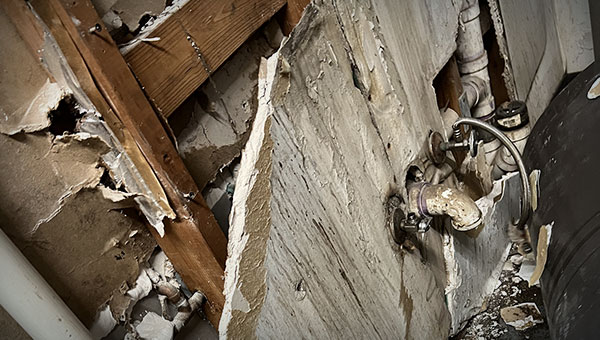
Why Does Mold Grow on Drywall?
Mold growing on drywall is a common problem in homes and can cause big issues if not dealt with quickly. Knowing what causes mold to grow on drywall is important so we can stop it from happening and fix it if it does.
Water Leaks
Mold loves moisture, so if there's a leak in your home, it can make your drywall a perfect spot for mold to grow. Leaky pipes, roofs, or windows can all let in water that mold needs to thrive. Even small leaks can create enough moisture for mold to start growing on drywall.
Finding and fixing leaks as soon as possible is key to stopping mold from growing on drywall. This might mean repairing pipes, fixing roof damage, or improving airflow in areas where moisture builds up. By getting rid of the source of moisture, we can reduce the risk of mold growing on drywall.
Humidity
Places like bathrooms, kitchens, and basements can get really humid, especially if they don't have good airflow. High humidity creates the perfect environment for mold to grow on drywall, even if the humidity levels change a little bit.
Drywall is Mold's Favorite Spot
Drywall is like a buffet for mold because it's made of materials like gypsum and paper that mold loves to eat. Once mold spores land on drywall, they can start growing and spreading fast. Drywall can also hold onto moisture, which helps mold grow even more and makes it hard to get rid of once it's there. Using things like moisture barriers and waterproof coatings can help stop mold from growing on drywall, but we still need to keep an eye on it and fix any problems quickly.
Mold Can Damage Drywall Fast
Mold doesn't waste any time. It can start growing on drywall within just a day or two of getting wet, and within a few days, it can already be causing damage that we can see. If we don't deal with mold on drywall, it can keep spreading and even make the drywall weak, which means expensive repairs later on.