What Mold Remediation May Include
Every job is based on the conditions on site, but mold remediation in Wayne commonly includes documentation of visible conditions, work-area controls, cleaning or removal decisions based on the affected materials, and closeout documentation for the completed scope.
Depending on the project, our work may include:
- documenting moisture indicators and visible site conditions
- setting up containment to help limit particle movement during work
- using HEPA-filtered equipment within the work area
- removing porous materials that cannot be effectively cleaned
- performing HEPA vacuuming and surface cleaning where appropriate
- coordinating around access limits, occupied spaces, and scheduling needs
Some related items are separate from remediation itself. Leak repair, roofing work, plumbing correction, reconstruction, ventilation upgrades, and long-term building maintenance are typically handled by the appropriate contractor. If independent testing is requested, that can be coordinated separately.
How the Mold Remediation Process Works
- On-Site Assessment and Scope Review: We start with an on-site assessment of the affected area. Our team looks at visible conditions, moisture indicators, access constraints, and the materials involved so we can define a realistic work scope. In Wayne properties, that may mean differentiating between a basement seepage pattern, an attic condensation issue, or a hidden leak behind finished surfaces.
- Moisture and Condition Documentation: Before work begins, we document the conditions that shape the remediation plan. That can include moisture readings, thermal imaging observations, visible growth patterns, and notes on likely contributing conditions where accessible. If repairs appear necessary to stop ongoing moisture entry, we note that clearly so the right next step is not lost.
- Containment and Air Management: When site conditions call for it, we isolate the work area with containment barriers and use negative-air or HEPA-filtered equipment to help manage airborne particulate during cleaning and removal activities. The level of control depends on the defined work area, the materials involved, and how close unaffected spaces are to the job site.
- Cleaning and Removal Based on Materials: Not every affected material can be handled the same way. Non-porous and some semi-porous surfaces may be cleaned as allowed by the material condition and scope. Porous materials such as drywall or insulation may need controlled removal when they cannot be effectively cleaned. Our team selects methods based on the material, access, and project conditions rather than defaulting to a one-size-fits-all process.
- Final Review and Closeout Documentation: At the end of the project, we review the work area against the defined scope and document the closeout condition at the time of service. If a customer wants third-party sampling or separate post-remediation testing, we can help coordinate that step.
What Affects Mold Remediation Cost in Wayne
Mold remediation cost in Wayne depends on the size of the affected area, the materials involved, how difficult the area is to access, and whether containment or selective demolition is needed. Pricing also changes when the work involves multiple rooms, tight crawl spaces, attic access, commercial scheduling constraints, or moisture conditions that complicate the project. We provide an itemized estimate after the on-site assessment, so you can see what the scope includes and what is being priced.
Why Wayne Property Owners Call FDP Mold Remediation
- Clear scope from the start:
Wayne customers usually are not looking for vague advice. They want to know what a remediation company can actually do, how the work is scoped, and what happens once the crew arrives. Our team focuses on clear communication from the start, so you know what we observed, what work is included, and where follow-up by another trade may still be needed.
- IICRC-certified, process-driven work:
We also bring process discipline to the job. Our technicians hold active IICRC certifications, and our remediation approach is guided by recognized industry standards, including the IICRC S520 framework referenced throughout the field. That structure helps us make practical decisions about containment, debris handling, cleaning methods, and documentation instead of using one generic approach for every property.
- Moisture-focused guidance:
For homeowners and property managers who may also be reading public-health guidance, the broader message is consistent: moisture control matters as much as cleanup. The CDC notes that indoor mold should be cleaned up and the moisture problem should be fixed, and the EPA likewise centers mold control on moisture control rather than surface treatment alone.
- Material-appropriate remediation plans:
We do not use the same approach for every mold job. Our team scopes the work around the affected materials, access conditions, and moisture patterns at the property, which helps us choose practical cleaning, removal, containment, and documentation steps.
- Clear documentation and next-step guidance:
Customers often want more than cleanup alone. We document visible conditions, note factors affecting the scope, and make it easier to understand where separate repairs, reconstruction, or third-party testing may fit.
- Wayne-specific property familiarity:
We understand the kinds of moisture issues that can show up in Wayne basements, attics, lake-area homes, and older properties, which helps us plan remediation around real local building conditions rather than generic assumptions.
Common Mold Situations We Handle in Wayne Homes and Buildings
- Basement Mold Remediation: Basements in Wayne can be affected by seepage, damp masonry, limited airflow, or past water intrusion. Scope may include containment where needed, selective removal of impacted porous materials, cleaning of accessible structural surfaces where appropriate, and documentation of moisture conditions that should be addressed to help reduce repeat problems.
- Attic Mold Issues: Attic mold concerns often trace back to ventilation imbalance, condensation, or an earlier roof leak. Our team may address affected roof sheathing, framing, and related materials based on scope and access, while also noting conditions that may need follow-up from a roofer or insulation contractor.
- Crawl Space Mold Conditions: Crawl spaces can stay damp for long periods, especially in areas influenced by groundwater, drainage issues, or restricted airflow. Remediation planning here usually depends on access, material type, and whether the affected surfaces can be cleaned or need removal.
- Kitchen and Bathroom Mold: Cabinet voids, sink areas, vanities, dishwashers, and plumbing lines can all contribute to hidden mold growth behind finishes. In these spaces, the work may involve selective access, contained removal, and cleaning based on what is found once the area is opened.
- Garage and Utility Area Mold: Garages and utility spaces often deal with fluctuating temperatures, wet vehicles, poor airflow, and intermittent moisture exposure. These areas may need targeted cleaning, removal of affected materials, and documentation of the conditions contributing to repeat spotting or residue.
- Commercial Mold Remediation: We also support Wayne offices, retail spaces, and other commercial properties where scheduling, tenant coordination, and documentation matter just as much as the physical work. For commercial clients, we focus on keeping scope, work-area controls, and project records clear so the property team understands what was done and where.
Wayne Service Area and Neighborhood Context
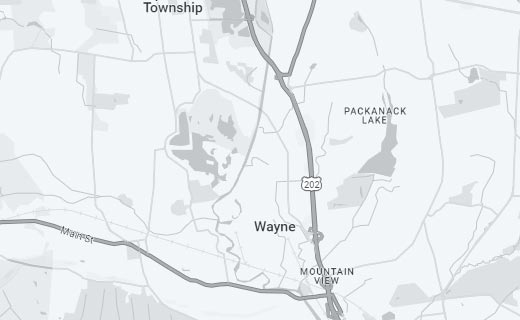
Our team serves properties throughout Wayne, including areas such as Packanack Lake, Pines Lake, Preakness, Black Oak Ridge, and the Route 23 corridor. Those local references help us speak more clearly about the kinds of building and moisture conditions customers may be dealing with in different parts of town.
For local public-health context, residents can also refer to the Wayne Health Department, while our remediation recommendations are based on the conditions we document at the property.
Call FDP Mold Remediation for Wayne Service
If you are dealing with mold in a basement, attic, bathroom, crawl space, garage, or commercial property, our team can assess the situation, outline the recommended remediation work, and carry it out with clear documentation. We will explain what was found, what the work may involve, and where separate repairs or third-party testing may fit into the bigger picture.
Fill out our contact form to request a consultation or call 973-506-0409 to schedule an on-site assessment for mold remediation in Wayne, NJ.
Frequently Asked Questions
Do I need a separate inspection company in New Jersey?
Not always. In New Jersey, one contractor may handle assessment and remediation, while separate third-party testing can be coordinated when a customer, property manager, or other stakeholder requests it.
Does homeowners insurance cover mold remediation?
Coverage depends on the cause of loss and the policy language. Some policies may cover mold when it results from a sudden covered event, while long-term moisture issues are often treated differently. Customers should confirm details directly with their insurer.
How long does mold remediation take?
Timing depends on the size of the affected area, access limits, containment needs, material removal requirements, and project scheduling. We confirm expected timing after the on-site assessment and defined scope.
Can I stay home during the process?
That depends on the work area, containment setup, and which parts of the property are affected. Some projects allow normal use of unaffected spaces, while others require limited access during active work.