
Hypersensitivity Pneumonitis and Mold Exposure
 

Hypersensitivity Pneumonitis and Mold Exposure

Did you know that mold can lead to many different health issues? Many people aren't aware of just how dangerous mold can be, so it's important to learn about the various health concerns it can cause.

Hypersensitivity pneumonitis (HP) is a serious lung diagnosis that can be caused by mold, so let's dive into this further and discuss what exactly this condition is.
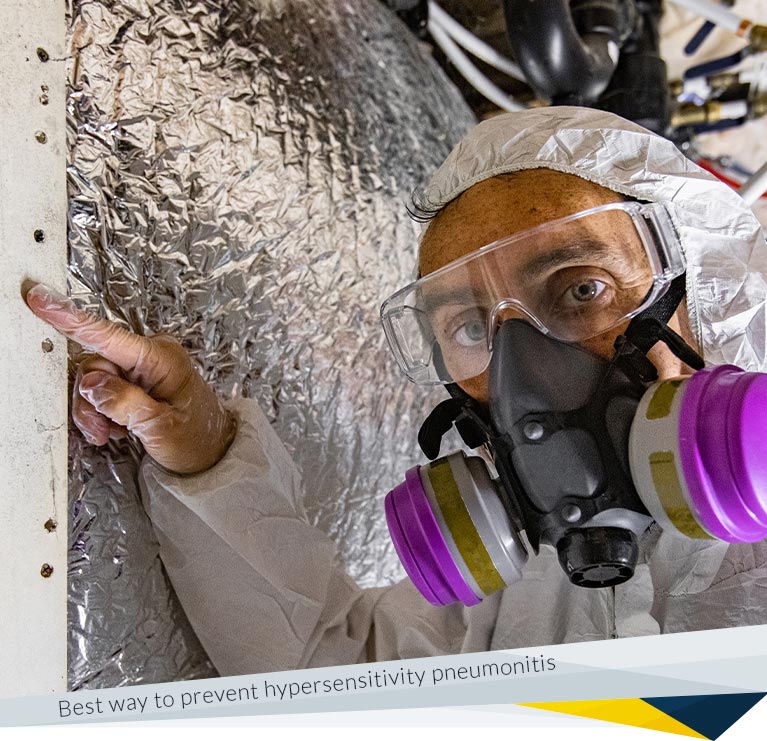

Key Takeaways

  • HP is an immune lung reaction to inhaled mold or organic particles.
  • Common triggers include household mold, bird proteins, and agricultural or industrial dust.
  • Mold-induced HP can become chronic and cause permanent lung scarring if exposure continues.
  • Early mold inspection and remediation are vital to prevent long-term lung damage.
  • Symptoms like cough, fatigue, and shortness of breath may improve after mold removal.
  • Antigen avoidance and medical care are the most effective treatments for HP.
  • Keeping indoor humidity below 50% helps prevent mold growth and related health risks.
 

What Is Hypersensitivity Pneumonitis (HP)?

Hypersensitivity pneumonitis (HP) is an immune-mediated lung disease triggered by repeated inhalation of certain environmental antigens, including mold spores and other organic particles. In susceptible individuals, these inhaled antigens cause inflammation of the tiny air sacs (alveoli) in the lungs.

If exposure continues, inflammation may become chronic and lead to scarring (fibrosis), which can cause permanent breathing difficulties. This condition can appear suddenly or develop slowly over time, depending on the level and duration of exposure.


What Causes Hypersensitivity Pneumonitis?

Hypersensitivity pneumonitis (HP) develops when a person's immune system overreacts to inhaled organic particles or other airborne antigens. These tiny particles can come from mold, bacteria, animal proteins, or plant materials commonly found in homes, farms, and certain workplaces.

Some of the most common causes and triggers include:

  • Mold and mildew growing in damp homes, basements, HVAC systems, or humidifiers.
  • Bird proteins from feathers, droppings, or bedding (known as "bird fancier's lung").
  • Fungal spores or bacteria found in water-damaged buildings or contaminated air conditioning systems.
  • Agricultural dust from hay, grain, or compost ("farmer's lung").
  • Chemical aerosols and industrial bioaerosols in certain manufacturing or metalworking environments.

Not everyone exposed to these agents develops HP - genetic factors, immune sensitivity, and the duration or intensity of exposure all play a role. Early identification of the exposure source, such as through a professional mold inspection, is the most effective step to prevent chronic HP.


Who Does Hypersensitivity Pneumonitis Affect?

Individuals that are exposed to a variety of different allergens, such as bird feathers, are more likely to develop this condition. HP most commonly impacts people who are ages 50-70. There are certain occupations that are more likely to develop this condition, so it's important to understand any health risks that your job may present. If you do have a job that's high-risk, consider bringing that up if you speak with your doctor about any symptoms you're having.

There are many allergens that can contribute to this condition. Let's go over one of the most common causes of hypersensitivity pneumonitis.


Mold Exposure and HP

If you've recently been diagnosed with HP, you may wonder whether mold exposure could be responsible. Yes - molds such as Aspergillus, Penicillium, and Stachybotrys are among the best-documented environmental triggers of HP.

The condition is not caused by infection, but by the immune system's overreaction to inhaled mold particles or spores.

Early recognition and removal of the exposure source are critical, since continued contact may result in chronic lung inflammation and irreversible fibrosis.


What Mold Causes Hypersensitivity Pneumonitis?

There isn't one single species of mold responsible for HP. Rather, it depends on the individual's immune sensitivity and exposure level.

Common household molds such as Aspergillus, Cladosporium, and Penicillium have been linked to HP in clinical reports, especially in damp indoor environments or water-damaged buildings.Industrial, agricultural, or HVAC-related exposures can also lead to HP in susceptible workers.


What Are the Symptoms of Mold-induced HP?

Unexplained symptoms can be incredibly challenging to deal with, so you might be wondering if you're experiencing this condition. Hypersensitivity pneumonitis symptoms include:

  • Fever
  • Chills
  • Cough
  • Tiredness
  • Shortness of breath

In many cases, individuals initially have flu-like symptoms, which can make the condition difficult to identify. However, it can be possible for symptoms to stop if the exposure ceases. If you're experiencing symptoms that may be related to HP, it's best to reach out to your doctor as soon as possible and share your symptoms with them. (It's also always a good idea to prevent mold growth in your home... More on that later.)


Complications of Hypersensitivity Pneumonitis Caused by Mold

Chronic mold exposure without remediation can lead to progressive fibrotic HP, which reduces lung capacity and causes shortness of breath even at rest. The condition is preventable and may be reversible if mold exposure stops early, but prolonged inflammation may lead to permanent damage.

Current research emphasizes that antigen avoidance (eliminating the source of mold exposure) is the most effective treatment strategy. Antifungal medication is not recommended unless an actual fungal infection is present.


How Is Hypersensitivity Pneumonitis Treated?

If you're experiencing HP symptoms, you may be wondering what treatment options are available. The first step is to reach out to your doctor and share your concerns. They'll most likely run some diagnostic tests to pinpoint possible symptom causes. If you have a high-risk occupation, then your doctor may be able to diagnose you with HP faster.

Mold-induced hypersensitivity pneumonitis will continue until exposure is stopped. If mold in your home has led to HP, then it's essential that you work with the right mold remediation specialist (like us!).


Importance of Using Professional Mold Remediation Services

Mold removal is important and it isn't always done right. Some people prefer to use DIY methods, but those rarely work and it can be difficult to assess their effectiveness. The best way to get peace of mind and be sure that your home is safe is to work with a professional mold remediation service.

At FDP Mold Remediation, we have years of experience removing mold and helping people get their health back. If you believe that you have mold in your house, the best option is to work with a professional who can ensure that you're taking the necessary steps to not only get rid of current mold but also prevent it in the future.


Prevention of HP Caused by Mold Exposure

The good news is that mold-induced HP is preventable. Regularly cleaning your humidifier, drying out damp areas around your home, and cleaning surfaces with an effective agent are all good ways to prevent mold growth in your home. If you have fabric with mold growth on it, it's essential to wash it thoroughly and properly, as well as make sure you're doing what you can to prevent spore inhalation.

Prevention is an important part of maintaining your health, so consider some ways that you can discourage mold growth in your space. If you've had mold before, it may be worth it to have a professional examine your home and provide you with specialized information about its safety and any current mold that may be present.


Call Us Today for Mold Remediation!

Hypersensitivity pneumonitis is a serious condition that can be caused by mold. When mold exposure continues, symptoms can worsen and individuals can be left with irreparable damage.

One of the best ways to prevent HP is to make sure that there isn't mold in your home. If you're currently searching for a mold remediation specialist, look no further than our team at FDP Mold Remediation. We use mold treatment options that are evidence-based, so you can be sure that your home is safe and you're not exposing yourself to dangerous allergens. Call us today at 877-421-2614 to schedule a professional inspection.


FAQ

Can allergies cause pneumonia?

Allergies alone don't cause pneumonia, but severe allergic inflammation can make the lungs more vulnerable to infection.

How to diagnose hypersensitivity pneumonitis?

Diagnosis involves exposure history, high-resolution CT scans, lung function tests, and sometimes bronchoalveolar lavage or biopsy.

Can mold exposure be reversed?

If detected early and exposure is removed, lung inflammation from mold-induced HP can often improve or resolve.

How can I prevent hypersensitivity pneumonitis at home?

Control humidity, fix leaks, clean air systems, and schedule regular mold inspections by certified professionals.

We understand that mold growth can be overwhelming, so contact us and let our team help you through the remediation process. You deserve to have a safe home free of dangerous mold and we can make that happen.


<<< Back to Symptoms

24 hour emergency service
highly trained mold remediation technicians
locally owned and operated
a trusted business in the mold remediation industry
Mold Remediation IICRC Certified
Choose fdp mold remediation with confidence
  • IICRC Certified Mold Remediation
  • Rebuild done by licensed contractors
  • Full Service solution, Inspection, Testing, Remediation
  • Clear communication from quote to completion
  • We finish on time and on budget
  • Applied Structural Drying Technician
  • Water Damage Restoration Technician
  • Applied Microbial Remediation Specialist
  • HEPA-Filtration Units
licensed, certified & insured mold remediation specialists
IICRC Certified
EPA Certified